Play store

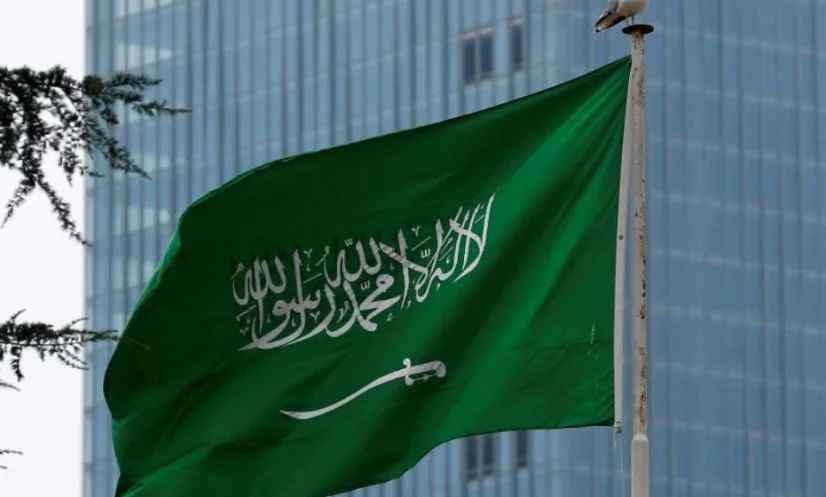
Bangladesh has sought a detailed explanation from the relevant Saudi authorities following the execution of two Bangladeshi nationals convicted of allegedly engaging in “immoral” acts at a mosque in Mecca.
The executions have raised questions about whether Saudi Arabia violated the Vienna Convention by failing to notify the families or the Bangladeshi diplomatic mission before carrying out the sentences.
Questions have also emerged over the extent of Saudi Arabia’s legal obligation to explain the executions to Bangladesh and whether, and through what process, the bodies of the two men will be returned to Bangladesh.
Sources at the Bangladesh Consulate in Jeddah confirmed that Saudi authorities had not informed the mission about the arrest, trial or execution of the two men. However, it remains unclear whether Saudi Arabia is legally obliged to provide an explanation in response to Bangladesh’s request.
Former ambassador Humayun Kabir said citizens facing legal difficulties abroad can seek consular assistance from their home countries.
Speaking to BBC Bangla, he said, “But we do not know what happened in this case. As the trial took place under Saudi Arabia’s domestic legal process, there is no legal obligation for them to inform Bangladesh. However, they may respond if Bangladesh seeks information.”
Experts, however, argue that executing the two Bangladeshis without notifying their families or the Bangladeshi diplomatic mission amounted to a violation of the Vienna Convention.
Saudi Arabia is a party to the Vienna Convention on Diplomatic Relations, having signed the convention in 1981. Article 36 of the convention provides for consular communication and access when foreign nationals are detained, including notification of their consular authorities without delay upon the detainees’ request.
Dr Raihan Rashid, a UK-based international law expert, said the information available suggests that the death sentences were carried out after the appeals process, meaning the case did not conclude abruptly.
“The Bangladesh embassy should have known about this. It is not acceptable to say that the embassy would remain unaware unless the victims or Saudi authorities informed it, because the process did not take place in a single day,” he said.
He added that, under the Vienna Convention, the two men should have been repeatedly informed of their right to consular assistance and asked whether they wished to exercise it. If they declined, Saudi authorities would have no further obligation on that point.
What is known about the incident?
The Saudi Press Agency (SPA), citing the country’s Interior Ministry, reported the executions of the two Bangladeshis on Wednesday.
According to the report, Saudi security forces arrested the men after they allegedly engaged in immoral and indecent acts at a mosque in Mecca.
Following the report, the Bangladesh Consulate in Jeddah sent a letter to the Saudi Foreign Ministry on Thursday, requesting detailed information about the incident.
Sources at the Bangladeshi mission said Saudi authorities had provided no information about the men’s arrest, trial or execution. They also said the Saudi authorities had not verified through the Bangladeshi mission whether the two men were Bangladeshi nationals.
Under the Vienna Convention’s consular provisions, foreign nationals who are detained have rights relating to communication with and access to their countries’ consular representatives.
Shariful Hasan, head of BRAC’s migration programme, said Saudi Arabia had violated the convention throughout the process.
The Vienna Convention on Diplomatic Relations, adopted in 1961 under the auspices of the United Nations, establishes rules governing diplomatic missions and their representatives abroad.
With more than 180 countries party to the convention, it forms an important foundation of international diplomatic law. Article 36 addresses consular communication and access for nationals detained in foreign countries, including the opportunity to receive consular assistance and, where appropriate, help in arranging legal representation.
Dr Rashid said both Bangladesh and Saudi Arabia were parties to the convention and therefore had obligations under its relevant provisions.
“Once detainees have been informed of their right to consular assistance, there must be evidence available to Saudi Arabia showing whether notification was carried out,” he said.
Article 36 essentially establishes rights concerning communication between detained foreign nationals and their home countries’ consular services. Consular officials can communicate with detainees and, where requested, help facilitate legal assistance.
Hasan said none of these steps appeared to have taken place in this case.
“Saudi Arabia has acted similarly towards Bangladeshi nationals before. My question is: if these two men had been American citizens, could Saudi Arabia have done this?” he said.
Former ambassador Humayun Kabir, however, offered a different interpretation of the notification issue.
He said foreign nationals accused of crimes are subject to the host country’s domestic legal process and argued that the authorities are not legally obliged to inform the detainees’ embassies in every case.
“Authorities in many countries notify the relevant embassy when a foreign national is detained. Similarly, when a country seeks information about one of its detained citizens, the relevant authorities may provide it. But there is no legal obligation in this case,” he said.
When will the bodies be returned?
Diplomatic sources at Bangladesh’s Foreign Ministry in Dhaka and the Bangladeshi mission in Jeddah said Saudi authorities had yet to provide any information about the two executed men.
As a result, Bangladeshi officials do not know where the bodies are being kept or when they might be handed over for repatriation.
The lack of official notification has also prevented the embassy from formally informing or contacting the families. The diplomatic mission generally assists in repatriating the remains of deceased Bangladeshi nationals when their families submit a request.
Hasan said the Saudi authorities had not contacted either the families or the Bangladeshi diplomatic mission.
“It is not even clear whether the two men were given an opportunity to defend themselves. As foreign nationals, they were entitled to consular assistance and could have received legal support through their embassy. But Saudi Arabia has kept everyone in the dark,” he said. Source: BBC Bangla.