Play store

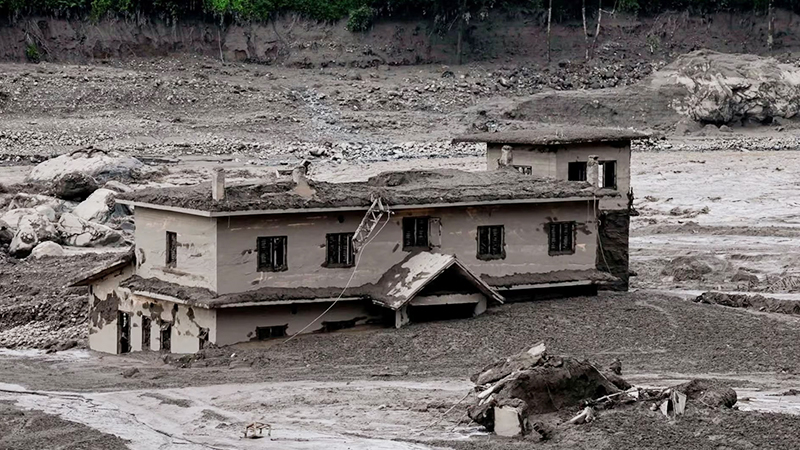
DHAKA: Natural disasters such as earthquakes, floods, cyclones and tsunamis damage or destroy millions of homes worldwide every year, threatening lives and livelihoods while increasing the costs of rehabilitation and reconstruction.
According to the United Nations, natural disasters cause approximately $228 billion in annual losses to the housing sector worldwide. The organisation has called for increased investment in safer housing, the reinforcement of existing buildings and improved disaster preparedness.
UN Secretary-General António Guterres said millions of homes are damaged or destroyed every year, leaving families without shelter and increasing their risk of poverty. As climate change intensifies disaster risks, ensuring safe housing has become a shared responsibility of governments, housing developers, engineers and local communities, he added.
According to the UN Office for Disaster Risk Reduction (UNDRR), housing accounts for 43 per cent of the direct economic losses caused by cyclones, floods, tsunamis and earthquakes. Disasters not only cause deaths and infrastructure damage but also leave large numbers of people homeless and facing long-term financial hardship.
Guterres noted that these losses could be significantly reduced by constructing safer homes and strengthening existing housing structures.
Jeanette Elsworth, a spokesperson for UNDRR, said resilient housing and household preparedness were both essential to reducing disaster losses. Even when early warnings are issued, many people fail to take timely action because they lack adequate plans and preparation, she added.
Referring to the Lloyd’s Register Foundation’s World Risk Poll 2026, Elsworth said many households lacked disaster preparedness plans despite receiving advance warnings. They also lacked confidence in their ability to protect themselves. As a result, only 27 per cent of households were able to take action in response to warnings.
Elsworth further noted that progress had been made in reducing disaster-related deaths over the past 11 years, but similar progress had not been achieved in reducing economic losses. She stressed the importance of ensuring that every household has access to risk information, early warnings and the resources needed for self-protection.
Experts say safer homes can reduce the risks of deaths and displacement during disasters while helping people return to normal life more quickly. Housing, therefore, should be a central priority in disaster risk reduction strategies.
The UN has urged governments, the private sector and local authorities to work together to minimise disaster losses. Measures should include preventing unplanned construction in high-risk areas, enforcing building safety standards and strengthening older homes.
Families must also receive training and information on how to prepare for disasters. Such measures would improve their ability to respond quickly to early warnings.
Efforts should not focus solely on constructing new homes; repairing and reinforcing existing buildings is equally important. In many areas, building new disaster-resilient homes is financially beyond the reach of residents. Upgrading existing structures can reduce risks at a comparatively lower cost.
The report also highlighted recent disasters in Nepal, Venezuela and Colombia to underscore the importance of recovery planning and reliable data collection. These incidents demonstrated that accurate information on the number of people affected, the condition of shelters and housing damage can help authorities deliver assistance more effectively.
According to UN data, a devastating flood triggered by a glacial collapse in Nepal last August affected more than 84,000 people and damaged around 7,500 homes. A total of 3,650 displaced people were identified.
Meanwhile, an earthquake in Colombia last August affected approximately 500,000 people and damaged more than 200,000 homes. In the city of Cali, an estimated 20,000 families were displaced.
The UN’s central message is that reducing disaster losses requires more than increasing spending on relief and rehabilitation after an event. Governments and communities must prioritise safer housing, effective early-warning systems and local preparedness before disasters occur. These measures can help reduce fatalities, limit economic losses in the housing sector and prevent prolonged hardship for affected populations.