Play store

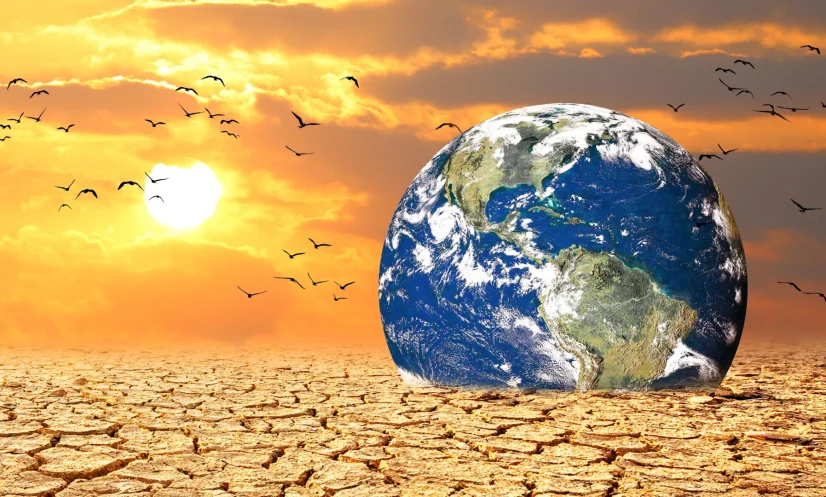
Global efforts to combat climate change have made little progress over the past five years, with conflicting policies and unfulfilled commitments cancelling out gains and leaving the world on course for dangerous levels of global warming, according to a report released Thursday.
The findings of the independent Climate Action Tracker report came as world leaders gathered at a UN climate conference in Antalya, Türkiye, to discuss the worsening climate crisis and measures to address it.
The report said collective climate action had effectively stalled for five consecutive years, with positive and negative initiatives offsetting each other.
In the first five years following the 2015 Paris Agreement, global climate measures helped reduce projected warming by one degree Celsius (1.8 degrees Fahrenheit). However, no further progress has been made since then, it said.
Climate change is primarily driven by greenhouse gas emissions from burning fossil fuels such as coal, oil and gas. Limiting global warming requires substantial and sustained annual reductions in emissions.
Under the Paris Agreement, countries set their own emissions-cutting targets through nationally determined contributions (NDCs), with varying levels of ambition and implementation.
The report warned that the world was heading towards an irreversible breach of the 1.5-degree Celsius (2.7-degree Fahrenheit) warming threshold above pre-industrial levels.
Even if all existing national climate commitments are fully implemented, global temperatures are projected to rise by 2.6 degrees Celsius (4.7 degrees Fahrenheit) by the end of this century.
That projection remains unchanged from 2024 and 2025, indicating that the latest commitments made last year have failed to significantly improve the global warming outlook, said Sarah Heck, a climate policy analyst at Climate Analytics and lead author of the report.
“This is still not enough,” Heck said, calling on countries to strengthen their climate targets.
Leaders of island nations echoed the concerns on Wednesday, warning that rising sea levels and increasingly severe climate impacts pose an existential threat to their countries.
Marshall Islands President Hilda Heine said continued investment in fossil fuel exploration and extraction threatened the future of vulnerable nations.
“Every new oil well drilled, every piece of coal extracted is a threat to my country’s future. The discovery of new fossil fuel resources is not something to celebrate, but something to fear,” she said.
Leaders from Tuvalu, the Bahamas, Antigua and Barbuda, Niue and other island nations also raised concerns over the mounting climate threat.
“No one has the right to pollute their neighbours,” Heine said, urging the international community to take urgent action.
Recalling how coral reefs she had seen earlier this year had turned from “bright and lush” to white because of bleaching, she warned that the global response to breaching the 1.5-degree threshold must be overwhelming to prevent irreversible damage.
Meanwhile, Barbados Prime Minister Mia Mottley called on wealthy countries to provide greater financial support to developing nations to help them adapt to rising temperatures and recover from climate-related damage.
“Pledges are not payments. But even the promised pledges are now 70% below previous levels,” Mottley told fellow leaders on Wednesday.
She said expressions of support and applause at international conferences had never rebuilt a single home in any country.