Play store

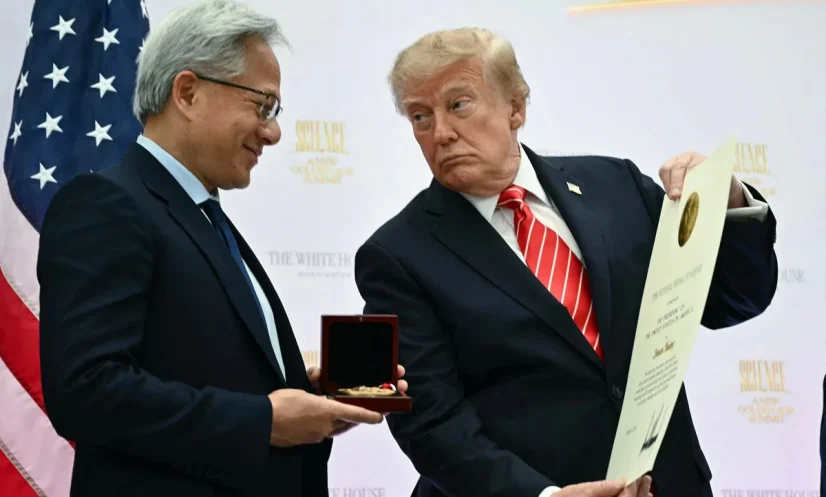
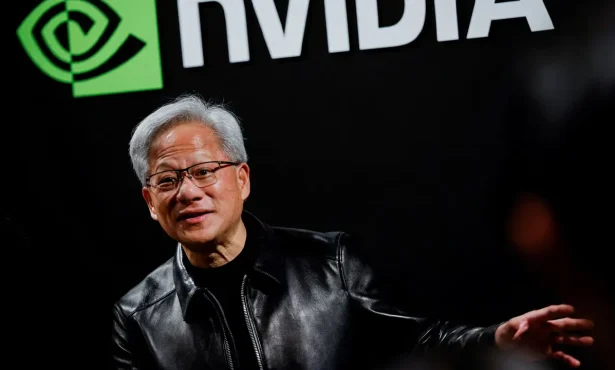
US President Donald Trump could have made as much as $15 million from a surge in Nvidia shares after his intervention helped persuade the chipmaker’s board to reinstate founder Jensen Huang, according to a report.
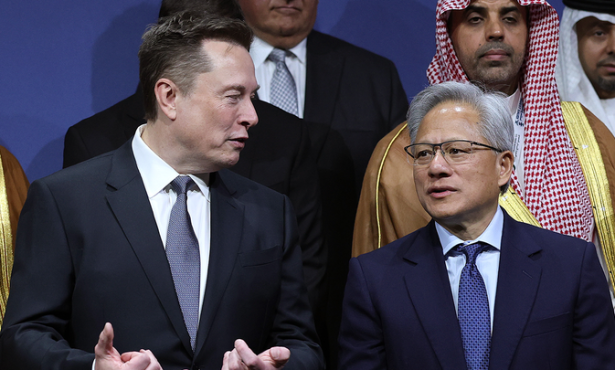
Trump joined a meeting of Nvidia’s board of directors by phone on Sunday night and later claimed he had persuaded the directors to bring Huang back after his resignation amid a controversy involving alleged links to a suspected Chinese spy.
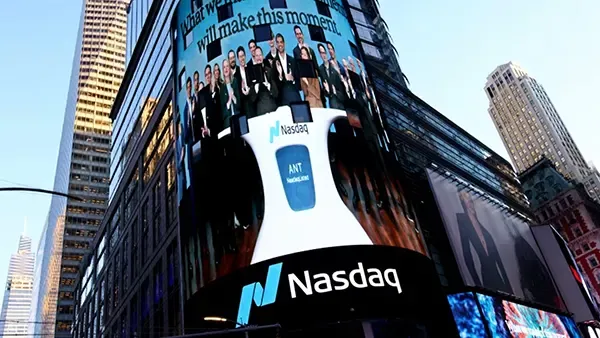
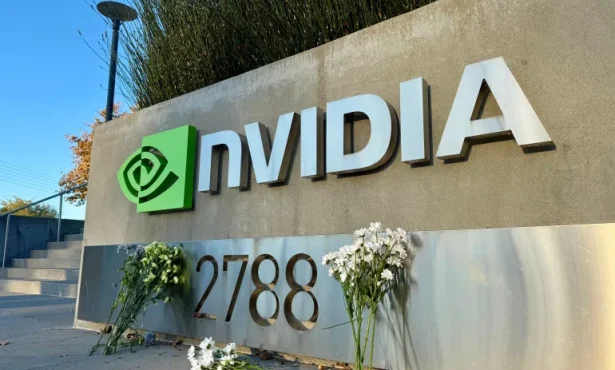
Nvidia shares rose more than 30 per cent on Monday following the announcement of Huang’s return, restoring nearly $1 trillion in the company’s market value after a major sell-off on Wall Street.
According to calculations based on Trump’s latest financial disclosure filed with the US Office of Government Ethics, he owned as many as 370,000 Nvidia shares at the end of September.
His disclosure does not specify the exact number of shares he holds but provides broad ranges for his quarterly stock purchases and sales.
Assuming he held the maximum number of shares, Monday’s rally could have increased the value of his Nvidia investment by around $15 million, the Financial Times first reported.
Nvidia said it had received feedback and guidance from senior US government officials and had been assured that Huang’s reinstatement would not pose a national security threat.
After Huang’s return was confirmed, Trump said, “Jensen’s leadership at Nvidia is what the country needs.”
In an interview with CNBC on Monday, Trump acknowledged that the stock market downturn had influenced his decision to support Huang.
Emphasising his personal role in the decision, he said, “I convinced them. I made the deal.”
Democratic senators have called for an investigation into Trump’s potential financial gains from his Nvidia investment.
New York Senator Chuck Schumer accused Trump of putting his personal financial interests and those of his wealthy allies ahead of national security.
He also accused Huang of violating US export controls by sending highly advanced chips to China, comparing the alleged transfer to selling rocket engines to the Soviet Union during the space race. Huang and Nvidia have not commented on the allegations.
Arizona Senator Ruben Gallego also called for an investigation into stock transactions made before the announcement.
Huang announced his resignation on November 12, triggering a major sell-off in technology stocks that wiped trillions of dollars off the value of US markets.
As Nvidia’s founder, Huang has played a central role in the global artificial intelligence boom, overseeing major data centre deals and multibillion-dollar investment partnerships across the AI industry.
His resignation followed reports of multiple extramarital relationships, including an alleged relationship with a woman named Alice Huang, whom US officials suspected of spying for China.
Huang sought to return to Nvidia within days of stepping down, with several technology industry leaders backing his reinstatement. The board initially rejected the proposal but later reversed its decision following Trump’s intervention.
Employees welcomed Huang back with a standing ovation when he returned to the company.
The Wall Street Journal later reported that Huang had acknowledged to the board that he had been involved in more than two extramarital relationships before securing his reinstatement.
Meanwhile, US authorities took action on Monday against companies allegedly connected to the controversy.
The US government blacklisted Singapore-based Megaspeed, where Huang had previously worked, over allegations that it had helped China gain access to advanced Nvidia AI chips whose exports are restricted under US controls. Megaspeed has denied wrongdoing.
A White House spokesperson said Trump’s stock and bond funds were managed by independent third-party financial institutions.
All his investments were held in discretionary accounts and allocated through computer-based investment models that automatically followed recognised market indices, the spokesperson said.
“Neither President Trump nor any member of his family has the ability to direct, influence or offer input on how these investments are managed or when any investment is bought or sold,” the spokesperson added.