Play store

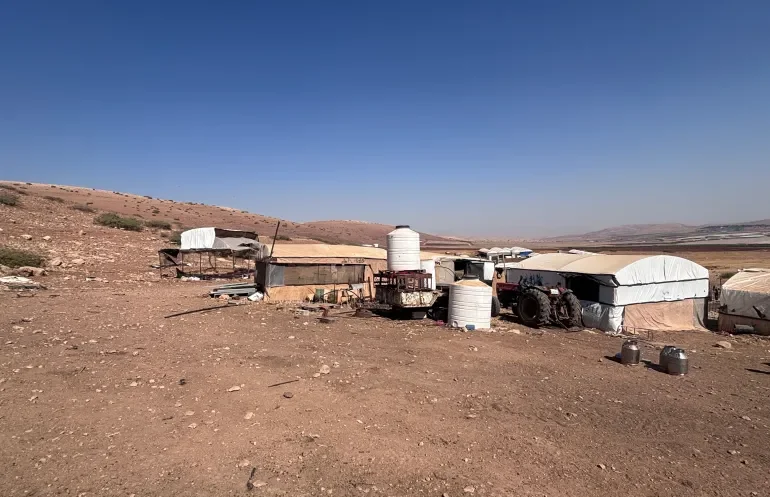
In the northern Jordan Valley of the occupied West Bank, a journey that once took minutes now stretches into hours—symbolising a deepening crisis for Palestinian communities cut off by Israel’s newly constructed “Crimson Thread” military barrier.
In the village of Ras al-Ahmar, residents like Thaer Bisharat say daily life has been upended.
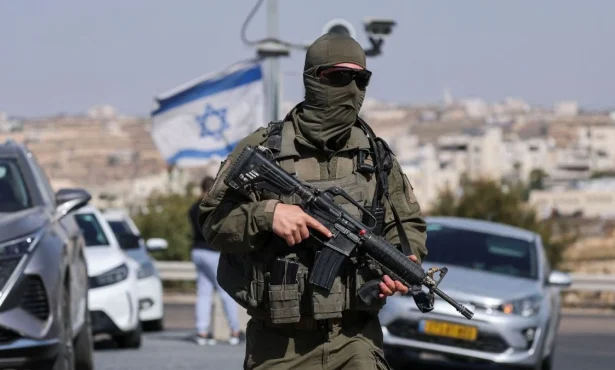
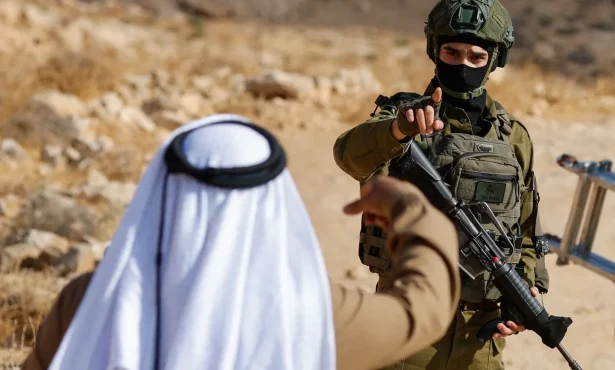
Road closures, military patrols, and restricted access points have effectively isolated communities, leaving a single rugged dirt path as the only route in or out—often under the watch of Israeli forces and settlers.
The barrier, announced in 2025, combines trenches and military roads designed, according to Israeli authorities, to prevent weapons smuggling.
However, its route runs deep in the West Bank rather than along the Jordanian border, raising concerns among observers and residents alike.
For locals, the impact has been immediate and severe. Agricultural land—once among the most fertile in the region—has been partially abandoned.
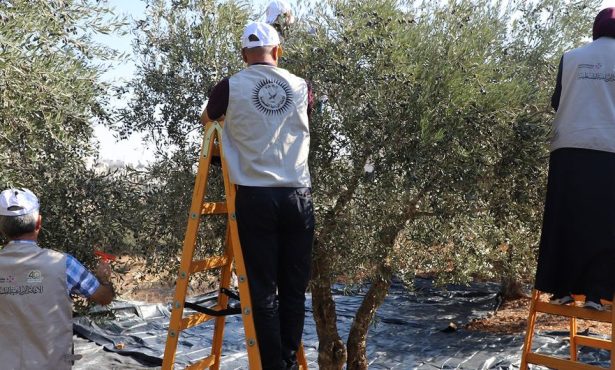
Water supplies have been cut, wells destroyed, and irrigation systems damaged, leaving crops to wither under the summer heat. Farmers who once cultivated bananas, olives, grapes, and potatoes now struggle to maintain even a fraction of their output.
“We are being suffocated,” said Bisharat, describing increasing pressure on residents to leave.
He and others report incidents of intimidation, property confiscation, and warnings to vacate their land within days.
According to analysts and rights groups, the project is part of a broader shift. What began as checkpoints and restricted zones has evolved into more aggressive land seizures and settlement expansion.
The barrier is expected to stretch up to 500 kilometres, potentially cutting off thousands of hectares of Palestinian farmland while linking Israeli settlements and outposts.
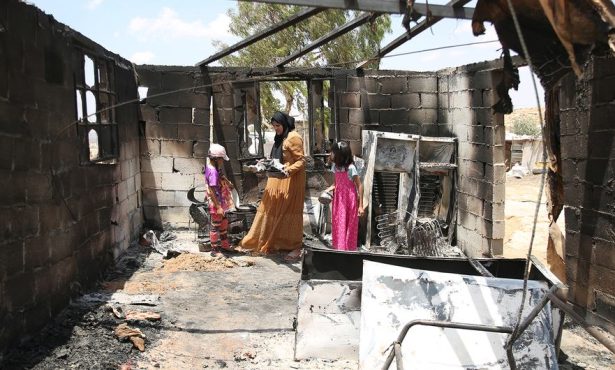
The consequences are already visible. Entire communities have been displaced, local economies disrupted, and agricultural production sharply reduced.
In some areas, families report losing livestock and access to grazing land, compounding financial hardship.
Local leaders warn that the barrier could permanently sever communities from essential services such as schools, hospitals, and markets. “If this continues, people here will be living in conditions like a prison,” said one village council head.
As construction progresses, fears are growing that the changes may become irreversible—reshaping both the landscape and the lives of those who have long depended on it.