Play store


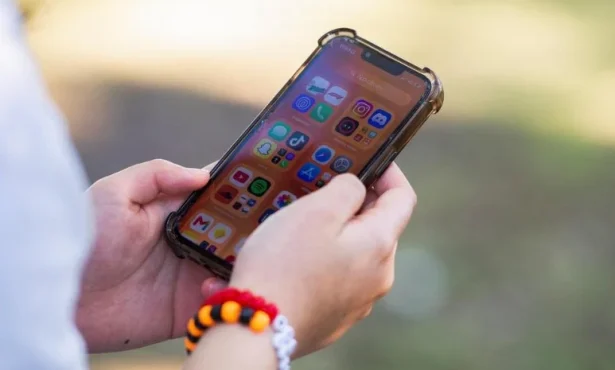
France has become the first country in the European Union to ban children under the age of 15 from using social media after lawmakers approved landmark legislation aimed at protecting minors from the harmful effects of online content.
The bill, a flagship initiative of President Emmanuel Macron’s second term, was passed by both chambers of Parliament on Tuesday and also includes a ban on the use of mobile phones in high schools.
Macron hailed the legislation as a major step towards safeguarding children in the digital age.
“France is leading the way in Europe in protecting our children and our teenagers,” the president said after the vote. “We will keep on going.”
The government wants the law to take effect at the beginning of the new school year in September. However, implementation could be delayed pending a review by France’s Constitutional Council to determine whether the legislation complies with the country’s constitution.
The new law prohibits social media platforms from allowing children under 15 to open or maintain accounts. However, it does not apply to online encyclopaedias or educational and scientific websites.
The measure comes amid growing concern in France over the impact of social media on children’s mental health. Several families have filed lawsuits against TikTok, alleging that harmful online content contributed to the suicides of teenagers.
Children’s rights advocates and parents welcomed the parliamentary vote, describing it as an important step in protecting young users from harmful digital environments.
Gaëlle Berbonde, a mother from the Paris region, said her daughter developed serious mental health problems after gaining access to social media through her first smartphone while in secondary school.
Although the family had installed parental controls, Berbonde said they were unaware of the risks posed by platforms such as TikTok until her daughter began self-harming and later developed anorexia and depression. After spending 18 months in hospital, the teenager has since recovered.
Despite broad political support, the legislation has also drawn criticism.
Lawmakers from the left-wing France Unbowed party opposed the bill, arguing that its constitutionality remains uncertain and questioning whether the restrictions can be effectively enforced. Critics also warned that age verification requirements could undermine online anonymity.
Legal experts say significant technical challenges remain, including identifying existing accounts belonging to children under 15 and ensuring reliable age verification for new users.
According to France’s national health authority, around half of French teenagers spend between two and five hours each day using smartphones, while 90 percent of children aged 12 to 17 access the internet daily through mobile devices. More than half regularly use social media.
Health experts have linked excessive social media use to declining self-esteem and greater exposure to harmful content, including material related to self-harm, drug abuse and suicide.
France’s move reflects a broader international trend towards stricter regulation of children’s online activities. Australia became the first country to ban social media accounts for children under 16 in 2024, while Spain, Denmark, Greece and the United Kingdom are considering similar restrictions.
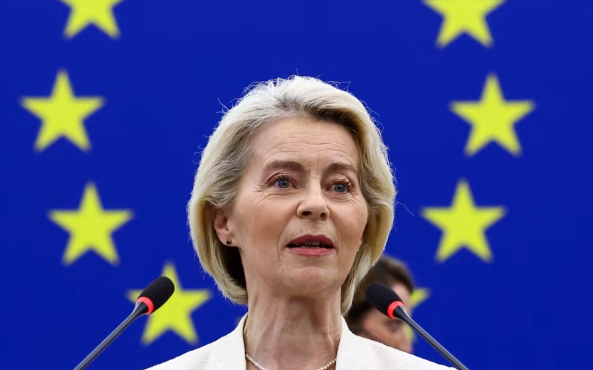
European Commission President Ursula von der Leyen has also called for stronger protections for children online, with the European Union expected to consider bloc-wide measures on youth access to social media in the coming months.