


 Play store

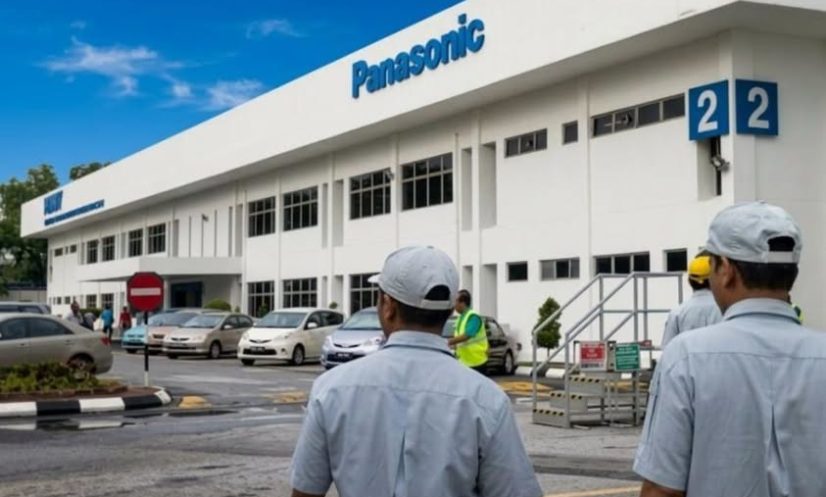
Ahmadul Kobir, Malaysia: A Panasonic manufacturing plant in Shah Alam, Selangor, is set to close by March 2027, putting around 400 workers at risk of losing their jobs and raising concerns over the future of foreign workers who may be employed at the facility, including Bangladeshi nationals.
However, neither Panasonic nor Malaysian authorities have so far disclosed how many Bangladeshi workers, if any, are among those affected. Therefore, figures circulating on social media or through unofficial channels should not be treated as confirmed.
The facility, operated by Panasonic AVC Networks Kuala Lumpur Malaysia Sdn. Bhd. (PAVCKM), manufactures televisions, Blu-ray Disc players and Technics-branded high-fidelity audio products.
Panasonic said the closure is part of a global restructuring of its production operations aimed at optimising its manufacturing network.
Under the restructuring plan, television production at the Shah Alam facility will end by September 2026. Production of Blu-ray Disc players will be transferred to another Panasonic Group company in China.
Production of Technics high-fidelity audio products will continue until February 2027 before being transferred to another Panasonic facility.
The entire operation at the Shah Alam plant is expected to cease by the end of March 2027.
The planned closure has raised particular concerns over the future of foreign workers, who may face difficulties finding new employment while maintaining their legal status in Malaysia.
If Bangladeshi nationals are among the affected workers, they may need to secure new employers and complete the necessary procedures for transferring their employment permits. Depending on their circumstances and Malaysian regulations, some workers could also face the prospect of returning to Bangladesh if alternative employment cannot be arranged.
For this reason, workers should seek official information from their employer and the Malaysian labour and immigration authorities before taking any action.
The Bangladesh High Commission in Malaysia could also play an important role in assisting affected Bangladeshi nationals, particularly by clarifying their employment rights, compensation arrangements and options for lawful transfer to new employers.
The Selangor state government has already begun preparing measures to assist workers affected by the closure.
Selangor Menteri Besar Datuk Seri Amirudin Shari said the state Executive Councillor for Human Resources and Poverty Eradication, V. Papparaidu, along with representatives of the Social Security Organisation (PERKESO), would meet the affected workers next week.
The state government plans to help workers find alternative employment and provide necessary assistance during the transition. Initial support, including food aid where necessary, may also be provided.
Papparaidu said PERKESO would play an important role in supporting workers who lose their jobs.
Eligible workers may receive unemployment benefits while searching for new employment. According to the authorities, the assistance is expected to be paid progressively, at 80 per cent of their salary in the first month, 50 per cent in the second month and 30 per cent thereafter, subject to eligibility and applicable rules.
The Selangor government has also organised the Mega Jobcare Selangor 2026 career fair to help workers find alternative employment.
The event, organised in collaboration with MYFutureJobs, brings together 147 employers offering more than 11,000 vacancies. Around 62.2 per cent of the positions offer monthly salaries of more than RM3,000.
The career fair is open to jobseekers aged between 18 and 60 and is expected to provide an important avenue for workers affected by the Panasonic closure to secure new employment.
The Shah Alam closure does not mean that Panasonic is withdrawing from Malaysia altogether.
The company said its other operations in the country would continue. Around 12,000 people are employed across Panasonic’s various operations in Malaysia.
The planned closure nevertheless highlights the vulnerability of workers when multinational companies restructure their global manufacturing operations.
For foreign workers, particularly those whose legal status is tied to a specific employer, job losses can create additional complications beyond the loss of income.
For Bangladeshi workers potentially affected by the closure, timely access to accurate information will therefore be crucial. They will need clear guidance on compensation, employment transfers, immigration requirements and available alternative jobs.
The exact number of Bangladeshi workers affected remains unknown. Authorities and the company are expected to clarify the composition of the workforce, including the number of foreign workers, as well as details of compensation and arrangements for those seeking alternative employment.
The development also underscores the importance of stronger coordination between Malaysian authorities, employers and the Bangladesh mission in protecting the employment rights and legal status of Bangladeshi migrant workers when large-scale workplace closures occur.