Play store

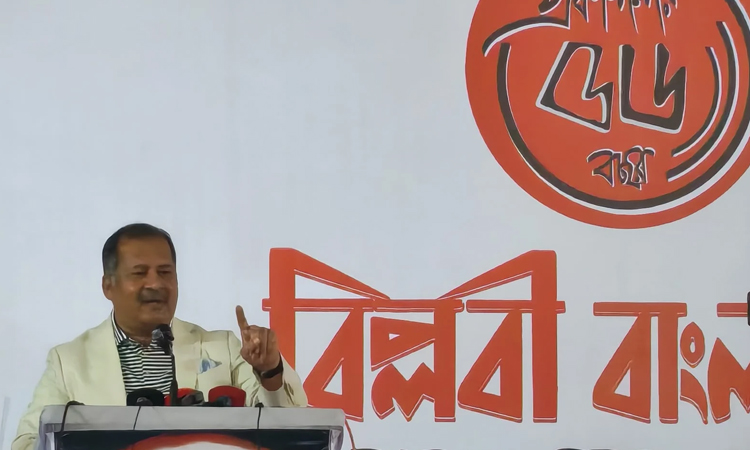
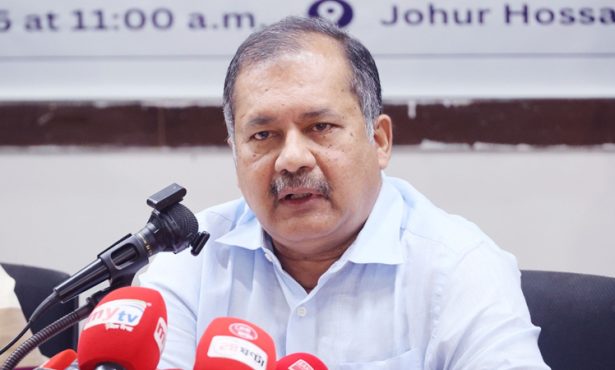
Information and Broadcasting Minister Zahir Uddin Swapon has said the media must accurately reflect society and uphold the highest standards of integrity to retain public trust.
“The media is the mirror of society. How society functions should be reflected in the media. The mirror of the media must be flawless,” he said.
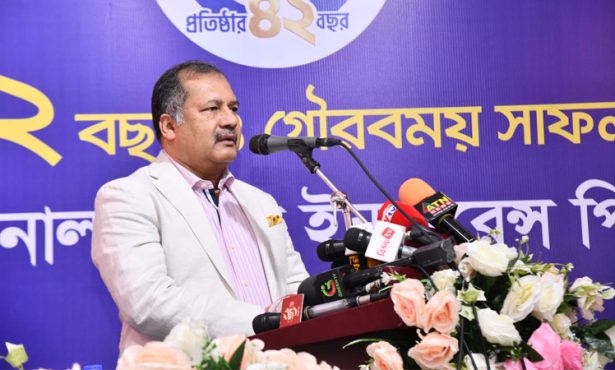
The minister made the remarks as the chief guest at a programme marking the 56th anniversary of Dainik Biplobi Bangladesh, a newspaper published from Barishal, at Ashwini Kumar Hall in the city’s Sadar Road area.
Swapon said a media outlet that itself has flaws cannot present society’s true picture to the public.
“A media with flaws will not be able to portray the real face of society. Therefore, the responsibility for making the media flawless must be taken by the media itself. Otherwise, the media will lose its credibility,” he said.
He also urged journalists to strengthen the media’s watchdog role and hold political parties accountable for their commitments to changing the country’s political culture.
The minister said investigative journalism could play a particularly important role in exposing organised crime and helping law enforcement agencies take action against those involved.
“If journalists collectively conduct investigative reports, identify the sources of drugs and those involved in the trade, and expose influential people involved in crime or politics, it will become much easier for the state to take action,” he said.
Swapon expressed concern over what he described as a concerted effort to target the country’s young generation through the illegal drug trade.
“A deep conspiracy is underway to keep the future generation addicted to drugs,” he said, adding that Bangladesh was also being used as a market for narcotics.
He alleged that some former lawmakers of the previous Awami League government from border areas had accumulated assets worth crores of taka through the illegal drug trade.
According to the minister, following the change of government, some people involved in the drug trade are now attempting to establish links with individuals within the current ruling party.
“Such important information can only be brought to light by the media,” he said, urging journalists to pursue evidence-based investigative reporting.
On the country’s development priorities, Swapon said development should no longer be judged simply by the number of mega projects, large buildings or expensive vehicles.
“Development now does not mean mega projects, huge visible buildings or large vehicles that can be touched,” he said.
Instead, he said, greater attention should be given to utilising Bangladesh’s natural resources and strengthening the country’s economic foundations.
“Today’s development is the gas resources hidden beneath the ground, resources that the previous government could not or did not extract during its 17 years in power,” he said.
His remarks came as the newspaper industry continues to face growing challenges over credibility, investigative journalism, political pressure and the need to maintain professional standards in an increasingly competitive media environment.