Play store

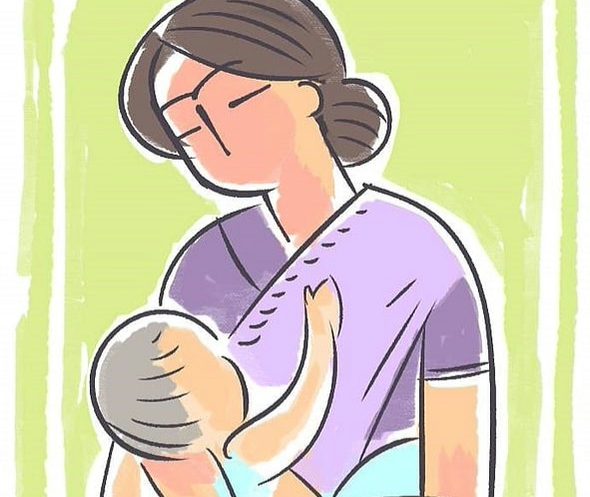
The rate of breastfeeding among infants in Bangladesh has declined significantly, with UNICEF and the World Health Organization (WHO) expressing concern and urging stronger measures to reverse the trend.
Exclusive breastfeeding among children under six months fell from 62.6% in 2019 to 56.6% in 2025. Over the same period, the proportion of babies breastfed within one hour of birth dropped sharply from 46.6% to 30.4%.
UNICEF and WHO disclosed the figures in a joint statement on Tuesday, calling for proven measures to promote, protect and support breastfeeding to be strengthened.
The statement was issued by UNICEF Representative to Bangladesh (Acting) Gillian Moyes and WHO Representative to Bangladesh Dr Jamshed Mohammed.
They said breast milk provides all the nutrients a baby needs during the first six months of life. It protects infants from infectious diseases, strengthens their immune systems and supports their physical and cognitive development.
Breastfeeding also benefits mothers by reducing their risk of breast and ovarian cancers and type 2 diabetes.
Although breastfeeding is a natural process, it is not easy for every mother, the agencies said. Many mothers do not receive adequate counselling, encouragement or support during pregnancy, childbirth and the postnatal period.
Insufficient maternity protection and a lack of breastfeeding-friendly facilities at workplaces are also major barriers, they said.
Families continue to face promotion and marketing of breast-milk substitutes and commercial baby foods, while such barriers become even more pronounced during emergencies and humanitarian crises.
The statement came during World Breastfeeding Week, whose theme this year is “Breastfeeding at the beginning of life: Accelerating sustainable action.” UNICEF and WHO stressed the need to scale up and sustain interventions that have already been proven effective rather than seeking entirely new solutions.
According to the two agencies, stronger health systems, trained health workers, family and community support, Baby-Friendly Hospital initiatives, maternity protection and breastfeeding-friendly workplaces can help increase breastfeeding rates.
They also called for full implementation of existing laws regulating the marketing of breast-milk substitutes and infant foods.
The agencies said investment in breastfeeding support can generate an estimated economic return of around $59 for every $1 invested. The benefits come through reduced healthcare costs, improved child development and educational outcomes, and increased earning potential later in life.
UNICEF and WHO urged the government, private sector, development partners, health workers and other stakeholders to step up efforts to protect, promote and support breastfeeding.
They said every health worker should have the knowledge and skills needed to protect, promote and support breastfeeding. The agencies also called for expanding Baby-Friendly Hospital initiatives in both public and private healthcare facilities while ensuring accountability and community participation.
For working mothers, they recommended paid maternity leave, breastfeeding breaks and suitable workplace conditions.
They also called for strict enforcement of the 2013 Breast-Milk Substitutes, Infant Foods, Commercially Manufactured Complementary Foods and the Use of Additives, Utensils and Appliances Therefor (Regulation of Marketing) Act, including action against inappropriate promotion of infant foods through digital and social media.
UNICEF and WHO further recommended integrating breastfeeding support into health, nutrition and social protection programmes, with particular attention to mothers facing the greatest vulnerabilities.
They stressed the need for stronger data, monitoring and research to track progress and support evidence-based policymaking.
The agencies described protecting and promoting breastfeeding and ensuring that mothers receive the support they need as one of Bangladesh’s most important investments in children.
They said breastfeeding can save children’s lives, improve health and nutrition, enhance learning capacity and help children reach their full potential.
UNICEF and WHO said they would continue working with the Bangladesh government and its partners to create an enabling environment in which every mother can successfully breastfeed and every child can grow up healthy and reach their full developmental potential.