Play store

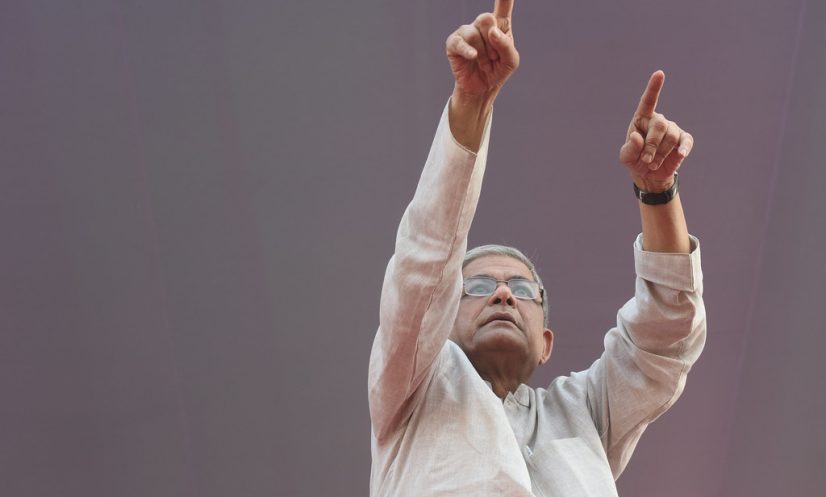
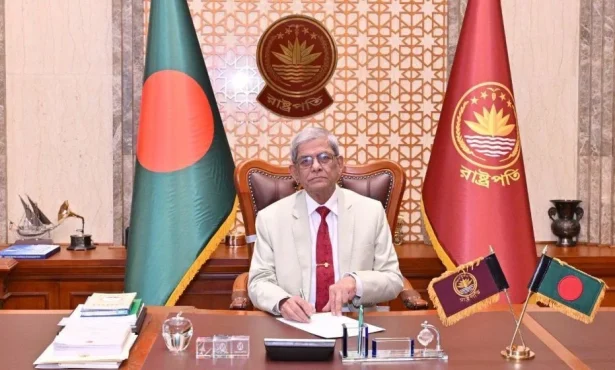
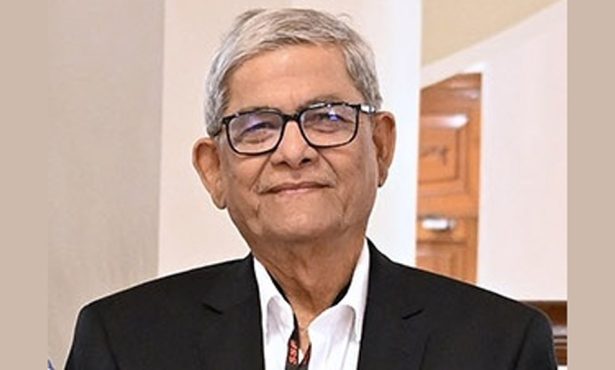
Mirza Fakhrul Islam Alamgir, who rose through the ranks of Bangladesh Nationalist Party (BNP) politics after a long journey from grassroots activism, is now poised to move to Bangabhaban as the country’s next president.
The BNP on Thursday formally submitted Fakhrul’s nomination papers as its candidate for the presidential election, recognising the veteran politician’s decades-long role in leading the party through periods of political repression and crisis.
Unless there is an unexpected development, Fakhrul is set to win the election with the BNP holding an absolute majority in parliament. He would become Bangladesh’s 23rd president.
The presidential election is scheduled for August 20, about a week from now. Former president Mohammed Shahabuddin resigned from office on July 24 and left Bangabhaban.
From Teacher to Full-Time Politician
Born on January 26, 1948, in Thakurgaon, Fakhrul studied at Dhaka College before earning bachelor’s and master’s degrees in economics from the University of Dhaka.
During his university years, he became involved in left-wing student politics and joined the then East Pakistan Students Union. He rose through the organisation and served as president of its Dhaka University unit during the 1969 mass uprising against Ayub Khan. He was also imprisoned for political activities during that period.
After completing his studies, Fakhrul joined the teaching profession in 1972 as a lecturer in economics at Dhaka College. He later taught at several government colleges and also worked at the Directorate of Inspection and Audit and the Bangladesh National Commission for UNESCO.
In the late 1970s, he joined the administration of President Ziaur Rahman as private secretary to then Deputy Prime Minister SA Bari.
He left government service in 1986 and entered full-time politics. In 1988, he was elected chairman of Thakurgaon Municipality.
Rise Through BNP Ranks
Fakhrul joined the BNP in 1990. He became president of the Thakurgaon district BNP in 1992 and subsequently joined the party’s executive committee.
Before reaching the party’s top leadership, he served for years in the leadership of the Jatiyatabadi Krishak Dal, the BNP’s farmers’ organisation.
He became BNP acting secretary general in 2011 and was elected secretary general at the party’s sixth national council in 2016. He has held the post ever since.
Holding the Party Together During Crackdown
Fakhrul emerged as one of the BNP’s key leaders during the party’s prolonged confrontation with the Awami League government.
With BNP Chairperson Khaleda Zia largely inactive in politics because of imprisonment and health issues, and Acting Chairman Tarique Rahman leading the party from London, Fakhrul became the principal face of the party’s political activities inside Bangladesh.
He faced numerous cases and was imprisoned three times during the movement against the Sheikh Hasina government.
His long-standing role in keeping the party organised during difficult periods has earned him recognition even beyond the BNP. Supporters and political observers have described him as a moderate and respectable politician with broad acceptance.
Parliamentary and Ministerial Career
Fakhrul was first elected to parliament from Thakurgaon in 2001. During Khaleda Zia’s government, he served as state minister for agriculture and later as state minister for civil aviation and tourism.
In the 2018 general election, he won the Bogura-6 seat but did not take his oath, citing allegations of widespread vote rigging.
In the latest parliamentary election, he was elected from Thakurgaon and subsequently joined the new BNP government led by Tarique Rahman as local government minister.
A Political Family
Fakhrul comes from a politically prominent family. His father, Mirza Ruhul Amin, was a lawyer and served as a member of both the Pakistan provincial assembly and Bangladesh parliament. He also served as a minister during the Ershad government.
His uncle Mirza Golam Hafiz was Speaker of Parliament and served as land minister under President Ziaur Rahman and later as law, justice and parliamentary affairs minister under Khaleda Zia.
Another uncle, Wing Commander SR Mirza, served in the Mujibnagar government during the 1971 Liberation War and was appointed head of the Youth Camps Directorate responsible for overseeing training facilities for freedom fighters.
Fakhrul is married to Rahat Ara Begum, a former senior official of a private financial institution. They have two daughters, Mirza Shamaruh Mirza and Mirza Safaruh.