Play store

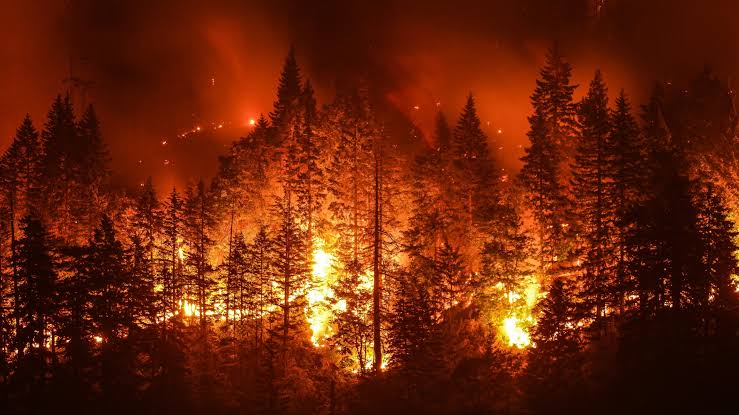
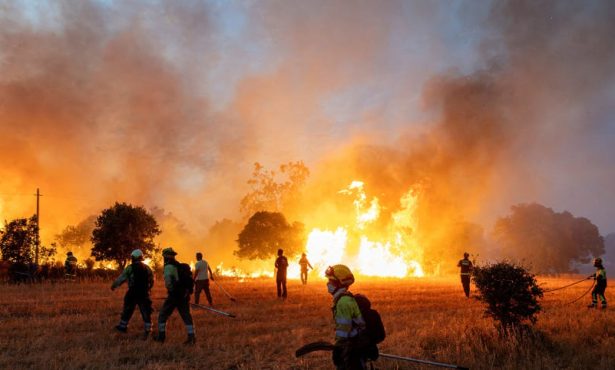
Europe’s increasingly extreme weather is creating a growing fiscal challenge for governments as wildfires, floods and other climate-related disasters become more frequent.
The cost of rebuilding damaged infrastructure, supporting affected households and restoring economic activity is increasingly falling on governments. The problem is becoming more serious because much of the damage remains uninsured.
The European Environment Agency estimates that weather- and climate-related extremes caused around €822 billion in economic losses across the European Union between 1980 and 2024. About a quarter of those losses occurred in just the last four years.
The growing concern is not only the size of individual disasters but also their frequency.
Federico Barriga-Salazar, head of Western Europe sovereign ratings at Fitch, told Reuters that governments have traditionally treated major disasters as costly but exceptional events. More frequent disasters, however, could force governments to treat climate-related damage as a regular fiscal obligation.
Insurance gap adds pressure
Europe’s limited insurance coverage is leaving governments increasingly exposed to climate-related losses.
Only about one quarter of climate-related catastrophe losses in the EU are insured, according to EU data. In some countries, the coverage rate is below 5%.
As a result, governments often have to step in to finance damage not covered by insurers.
Germany’s experience after the devastating 2021 floods highlights the problem. Bruegel estimates that Germany had to provide around €30 billion in public funds because of relatively low insurance coverage. Much of the damage in neighbouring Belgium, by contrast, was insured.
This creates a potentially costly cycle: more extreme weather leads to higher uninsured losses, which require greater public spending and can add to government debt.
David Zahn of Franklin Templeton warned that the fiscal impact could reach 1% to 2% of GDP in some countries.
Climate costs compete with other priorities
The growing cost of climate disasters comes as European governments are already facing significant fiscal pressures.
Eurozone public deficits average around 3% of GDP, while governments are under pressure to increase defence spending. Ageing populations are also increasing the cost of pensions and healthcare.
Climate-related reconstruction therefore competes with other major demands for limited public funds.
Spain offers a recent example. Fitch estimates that reconstruction following the country’s severe 2024 floods could cost around 0.7 percentage points of GDP between 2024 and 2026.
Such costs may be manageable when disasters are occasional. But repeated floods, wildfires and other extreme events could turn emergency reconstruction into a permanent feature of government spending.
That shift could put further pressure on Europe’s already stretched public finances and force governments to rethink how they prepare for and finance climate-related disasters.