Play store

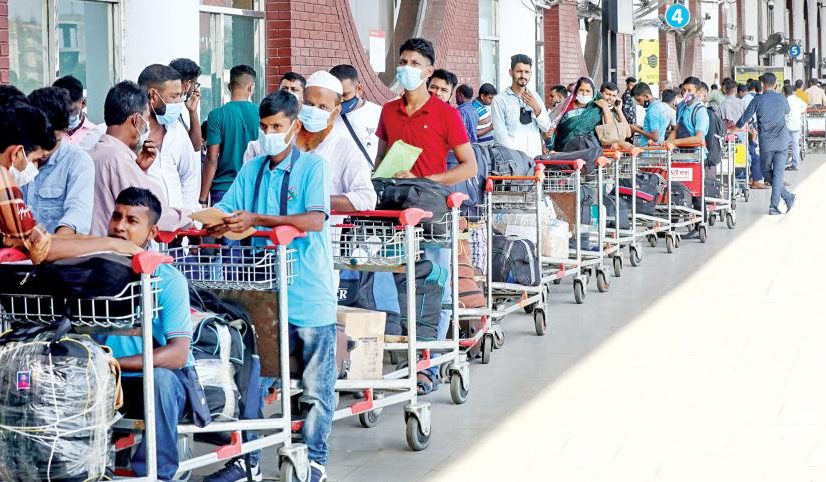
Malaysia is set to reopen its labour market to Bangladeshi workers after repeated suspensions over the past decade, raising fresh hopes among jobseekers but also sparking controversy over the selection of 338 recruiting agencies.
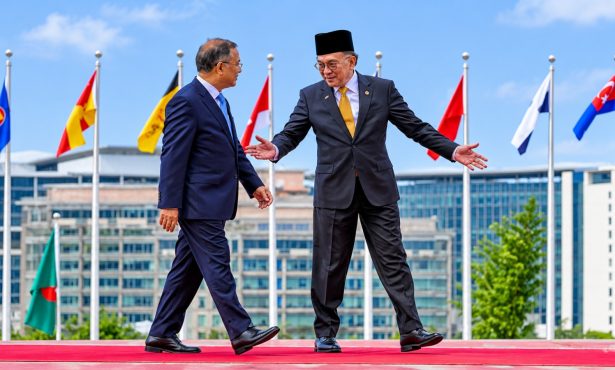
The development came after Prime Minister Tarique Rahman chose Malaysia for his first overseas visit following his election as prime minister. During the visit, Malaysian Prime Minister Anwar Ibrahim assured him that the country would reopen its labour market to Bangladesh.
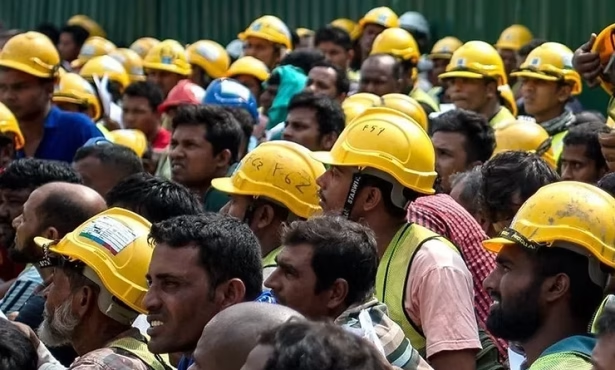
Malaysia is one of the largest overseas employment destinations for Bangladeshi workers. However, the market has been suspended several times over the past decade amid allegations of syndication, excessive recruitment costs and fraud.
The market was reopened in 2016 after being suspended in 2008, but Malaysia stopped recruiting Bangladeshi workers again in 2018 over allegations of irregularities. It reopened in 2022 following a memorandum of understanding signed in December 2021, with Bangladeshi workers beginning to travel to Malaysia in August 2022. Recruitment was suspended again on June 1, 2024, and has remained closed since then.
Under the 2016-18 arrangement, 10 recruiting agencies were given responsibility for recruitment. Although the government-set cost was Tk 33,375, workers were allegedly charged Tk 200,000 to Tk 350,000. More than Tk 5,500 crore was allegedly collected during that period.
When the market reopened in 2022, the same concerns resurfaced. Initially, 25 agencies and later another 100 were allowed to handle recruitment, although Bangladesh had more than 2,000 licensed recruiting agencies.
Recruiters said more than 400,000 workers were sent to Malaysia under the arrangement, generating business worth more than Tk 18,000 crore, including over Tk 6,000 crore in alleged syndication fees.
The latest controversy centres on a list of 338 agencies published on Malaysia’s Foreign Workers Centralised Management System (FWCMS) on August 28. The list includes 25 principal agencies, 250 agencies working under them and 62 agencies under the government-run Bangladesh Overseas Employment and Services Ltd (BOESL).
Recruiters have questioned whether the 250 associate agencies will be able to bring job demands and send workers directly or will operate as sub-agents of the 25 principal agencies.
Some industry representatives also claim that several agencies on the list have little or no experience of sending workers to Malaysia. A BMET official reportedly said some of the principal agencies had no record of sending workers through BMET clearance.
Former BAIRA joint secretary general Fakhrul Islam said the latest arrangement appeared similar to previous syndication systems, under which hundreds of agencies were listed but only a small number could directly handle recruitment.
The government, however, says the selection was made entirely by Malaysian authorities under the existing memorandum of understanding. It said Malaysia’s ministries of human resources, foreign affairs and home affairs, along with its anti-corruption commission and law enforcement agencies, jointly vetted the agencies.
The government has described the inclusion of 338 Bangladeshi agencies as a “historic achievement”, saying it secured the opportunity despite restrictions under the existing agreement.
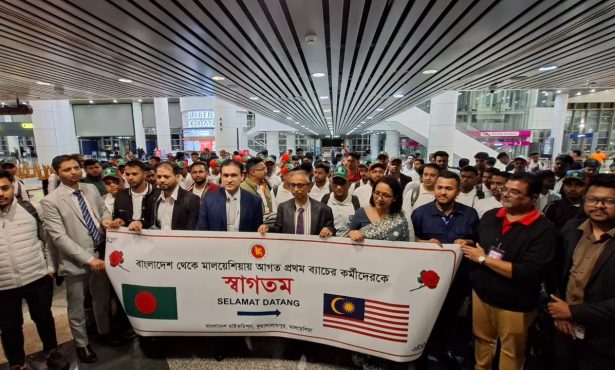
Meanwhile, Malaysia has agreed in principle to recruit 10,000 Bangladeshi workers through a special arrangement within the next three months. They will be sent through BOESL at zero migration cost to work in Malaysia’s services sector, where there is a labour shortage.
Malaysia plans to recruit 15,000 workers for the sector by December. About 5,000 Bangladeshi workers who could not travel before the June 2024 deadline may be included in the first batch, according to the ministry.
The first group is expected to travel on a special chartered flight arranged through BOESL, with airfare and other migration costs covered.
The current memorandum of understanding will expire on December 31. The government said it hopes to protect Bangladesh’s interests through a new agreement and eventually open the recruitment process to all eligible agencies.