Play store

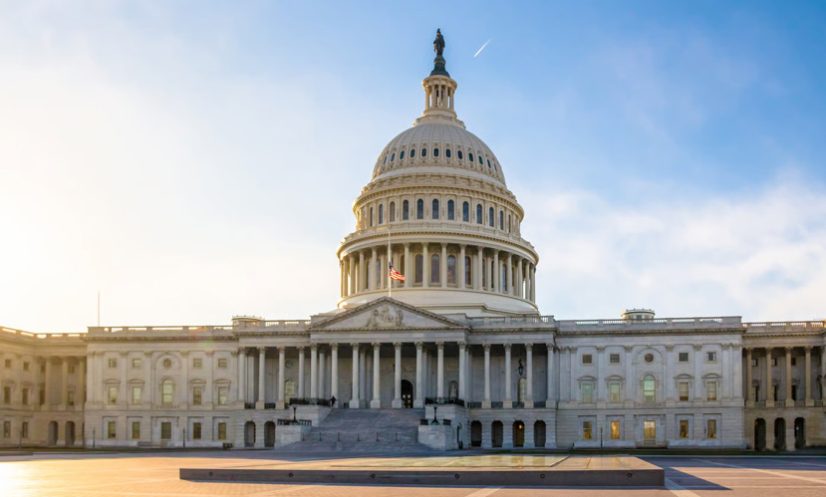
The US House of Representatives has advanced legislation that would give President Donald Trump authority to impose tariffs of up to 100 per cent on countries buying Russian oil and gas, potentially exposing India and nine other countries to additional duties.
The Lindsey O. Graham Sanctioning Russia and Iran Act of 2026 cleared a key procedural hurdle by 214-211 on Tuesday, with two Democrats joining Republicans in support. The House is expected to hold a final vote on the bill on Wednesday.
A House amendment specifically names India, China, Türkiye, Azerbaijan, Hungary, Slovakia, the United Arab Emirates, Singapore, Kazakhstan and Kyrgyzstan as countries eligible for duties of up to 100 per cent under the bill’s secondary-tariff provisions. The measure would not automatically impose the tariffs; it would give the president the authority to impose them under specified conditions.
The Senate passed the legislation by an 86-11 vote in August. The bill targets Russian officials, financial institutions and the country’s energy sector, as well as vessels and other entities involved in sanctions evasion. It also extends sanctions targeting Iran.
The proposed tariff authority would allow duties of up to 100 per cent on major importers of Russian-origin crude and natural gas and countries facilitating sanctions evasion. Supporters say the measure is intended to increase economic pressure on Moscow by targeting revenue from Russian energy exports.
House Democrats, however, have raised concerns about the scope of the president’s tariff powers. Representative Gregory Meeks has argued that the legislation would give the president sweeping authority and could increase costs for US consumers.
If the House approves the legislation without changes to the Senate-approved text, it would go to Trump for his signature. The bill therefore could soon move from Congress to the White House, although the final House vote remains pending.