Play store

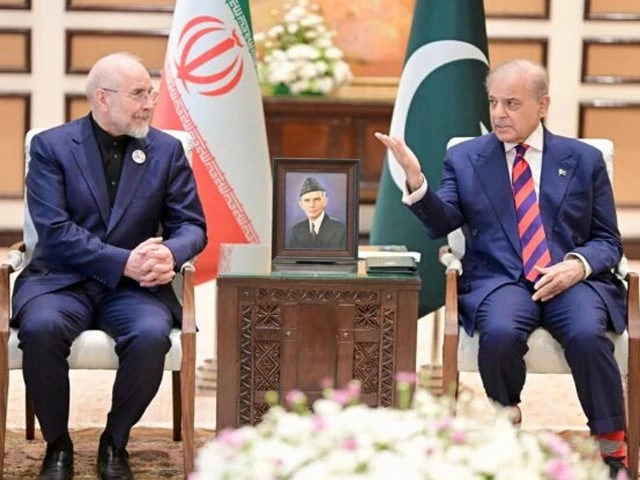
Pakistan is preparing to send another high-level delegation to Tehran in a fresh diplomatic push aimed at breaking the stalemate between Iran and the United States as well as containing rapidly escalating tensions between Saudi Arabia and Yemen’s Houthis, officials said on Friday.
There was no official confirmation of the planned visit from Islamabad or Tehran. However, a senior government official told The Express Tribune that another visit to the Iranian capital was being planned and could take place very soon.
The official did not disclose the composition of the delegation, but diplomatic and government sources indicated that Interior Minister Mohsin Naqvi was likely to lead the delegation.
The proposed visit comes at a particularly sensitive moment for Pakistan, which has been trying to maintain its role as a bridge between Iran and the United States while simultaneously managing its growing security commitments to Saudi Arabia.
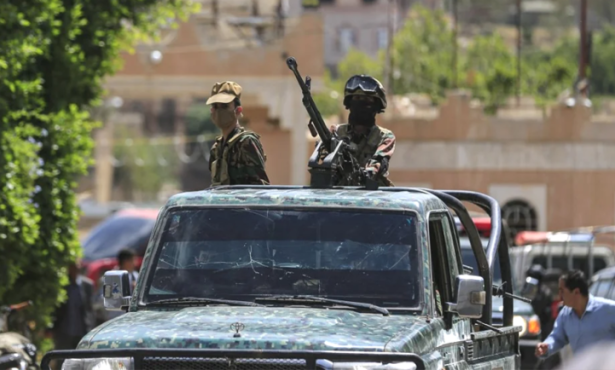
Pakistan’s diplomatic efforts have now acquired another dimension as fighting between Saudi Arabia and the Iran-aligned Houthis has intensified.
Saudi Arabia and the Houthis exchanged fresh attacks this week, with Riyadh carrying out airstrikes against Houthi positions while the group launched drone and missile attacks against Saudi territory. The escalation has raised concerns about the security of Saudi energy infrastructure and shipping routes around the Red Sea and Bab el-Mandeb.
The latest diplomatic initiative also follows a telephone conversation between Iranian Foreign Minister Abbas Araghchi and Chief of Defence Forces Field Marshal Asim Munir. Iranian media reported that the two discussed the latest regional developments while Araghchi was in Beijing.
According to the Financial Times, Munir subsequently conveyed Pakistan’s concerns to Iranian officials over the Houthi attacks and urged Tehran to restrain the group. The report said Islamabad had warned that the situation could have implications for Pakistan’s defence commitments to Saudi Arabia.
Pakistan’s position has become more consequential following the signing of the Pakistan-Saudi Arabia-Türkiye defence agreement in August, under which an attack on one of the signatories is to be treated as an attack on all.
Islamabad has since repeatedly stressed its commitment to Saudi Arabia’s security. On Friday, Director General Inter-Services Public Relations Lieutenant General Ahmed Sharif Chaudhry said Pakistan’s commitment to the kingdom’s security was “unconditional”, amid the escalating Houthi attacks.
The possibility of Pakistani military involvement, however, has not been formally raised by Riyadh, and Islamabad has continued to emphasise diplomatic efforts.
The proposed Naqvi visit could, therefore, serve two parallel objectives: conveying Pakistan’s concerns to Tehran over the Houthi escalation while also trying to revive the broader diplomatic track between Iran and Washington.
Pakistan has already made several mediation attempts during the seven-month-old conflict. Islamabad hosted indirect contacts between the United States and Iran and has continued to argue that the dispute cannot be resolved through military means.
Those efforts have gained urgency as the conflict has begun affecting both major maritime energy routes in the region. Shipping through the Strait of Hormuz remains severely reduced, while the security situation around Bab el-Mandeb has also deteriorated. Reuters reported on Friday that only four commodity vessels transited Hormuz on Thursday, compared with a 10-day average of 16.
The latest escalation has also pushed up global energy prices and increased pressure on Gulf states to find a diplomatic way out. Reuters reported that oil prices eased on Friday after diplomatic outreach, including efforts to persuade Iran to rein in Houthi attacks on Saudi energy infrastructure.
Meanwhile, Washington and Tehran remain far from resolving their differences. US President Donald Trump has said he hopes the war with Iran is nearing an end, but negotiations remain stalled.
Against this backdrop, Islamabad appears to be attempting a delicate balancing act: maintaining its strategic relationship with Saudi Arabia while keeping channels open with Iran and using its access to both sides to push for de-escalation.
Meanwhile, Pakistan has strongly condemned Houthi attacks on merchant shipping in the Bab al-Mandab Strait and called for their immediate cessation, as the UN Security Council holds its second major discussion this week on the escalating threat to the strategic waterway and its wider implications for regional security and global trade.
“We call upon [the] Houthi militia for immediate cessation of these provocative acts which could have dire consequences for maritime security, and regional peace and stability,” Pakistan’s Permanent Representative to the UN, Ambassador Asim Iftikhar Ahmad, tells a Security Council Arria Formula meeting convened by Bahrain.
The ambassador says Houthi attacks seriously undermine maritime security and threaten peace and development in regional countries, “especially the Kingdom of Saudi Arabia”, which he adds is facing “blatant and unprovoked aggression” by the Houthis. Source: Express Tribune.