Play store

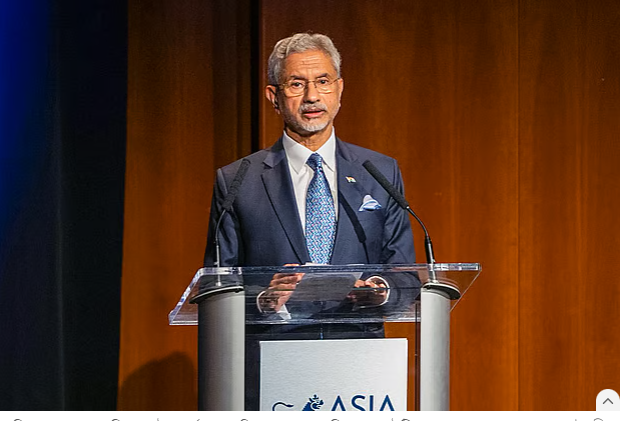
Indian External Affairs Minister S. Jaishankar has warned that South and Southeast Asia could face a severe food crisis in the coming months as the global impact of geopolitical conflicts, including the war in Ukraine and the conflict involving Iran and the Gulf region, continues to disrupt energy, fertilizer and food supplies.
Speaking at a public discussion organized by the Asia Society in New York on Monday, Jaishankar said ongoing geopolitical conflicts were placing intense psychological and economic pressure on the economies of the Global South, particularly developing and emerging countries.
Referring to the broader impact of the conflicts, Jaishankar said the situation was a major concern for India and other developing economies. He argued that the war in Ukraine and the current tensions in the Iran-Gulf region were having deeply damaging consequences for emerging economies in the Global South.
Discussing instability in global energy markets, Jaishankar said international supply chains were facing pressure from two directions: the need to maintain energy security and the geopolitics surrounding oil. According to him, these two factors were reinforcing each other and making the situation increasingly complicated. He warned that using energy supplies for political purposes could further increase market instability.
Jaishankar also highlighted disruptions to the transportation of food grains and fertilizers. He pointed to the continuing difficulties in the Black Sea region, saying that several of the world’s major grain-exporting countries were struggling to move their products through maritime routes.
He further noted that some of the world’s major fertilizer-producing centers are located in the Middle East and Russia, making the disruption of supplies particularly concerning. He said unfavorable climate conditions, including the possibility of a severe El Niño, could add another layer of pressure on global food security.
Describing the potential consequences, Jaishankar warned that the world could face a major food crisis in the coming months. He said the crisis could develop through a combination of energy shortages, inadequate supplies of food and fertilizer, and a shortage of capital. During major wars and conflicts, he explained, investment tends to move toward safer assets, potentially leading to capital outflows from developing countries.
According to Jaishankar, the combined effect could create an extremely difficult environment for poorer and developing nations.
He also criticized what he described as overly self-interested decision-making by powerful countries. He urged major powers to remain sensitive to the basic needs of poorer nations and to recognize the wider global consequences of their decisions.
Addressing the potential political consequences of the energy crisis in South Asia, Jaishankar said the Ukraine war had already contributed to economic and political instability in neighboring countries. He expressed concern that the ongoing tensions involving Iran and the Persian Gulf could further intensify regional instability and complicate the situation.
On how developing countries could respond to the emerging challenges, Jaishankar said there was no single formula. Countries would need to assess their own vulnerabilities and national interests and adjust their policies accordingly.
He argued that greater strategic autonomy and self-reliance could help countries better withstand future shocks, while acknowledging that different nations would need different approaches depending on their circumstances. Source: Indian media.