Play store

Renewed US-Iran hostilities disrupt Hormuz shipping, strand 6,000 seafarers
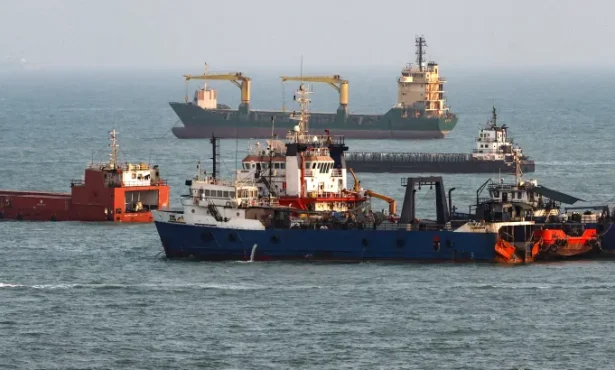
Renewed hostilities between the United States and Iran brought commercial shipping in the Strait of Hormuz close to a standstill on Thursday, leaving around 6,000 seafarers stranded aboard hundreds of vessels and placing Gulf countries on heightened alert amid fears of further escalation.
Amid the renewed exchange of strikes and counterstrikes, the UN’s International Maritime Organization (IMO) warned that transit through the strategic waterway should be avoided until safety conditions improve, reports UN News.
Echoing UN Secretary-General António Guterres’ call for restraint, member states of the IMO Council condemned what they described as Iran’s continued threats and alleged attacks against several Gulf states and their territorial waters.
In a joint statement, countries including Bahrain, France, Germany and Saudi Arabia expressed concern over the disruption to international shipping, particularly in and around the Strait of Hormuz, one of the world’s most critical energy transit routes.
Iran, however, rejected the accusations, submitting its own statement to the IMO alleging “armed interference with Iranian commercial vessels” and condemning what it described as aggression by the United States and Israel.
IMO Secretary-General Arsenio Dominguez said maritime traffic through the strait should remain suspended until the necessary security conditions are restored.
He added that the evacuation of stranded seafarers had also been halted due to the deteriorating security situation.
According to IMO data, 136 vessels and about 2,900 seafarers have been evacuated so far, while roughly 6,000 crew members remain stranded aboard hundreds of ships in the region.
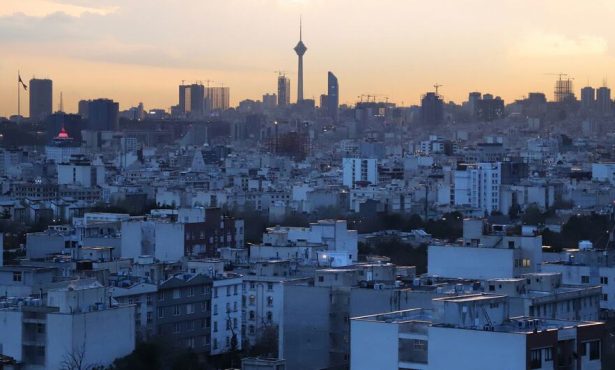
Iranian health authorities said at least 14 people had been killed and dozens injured during the latest two days of hostilities, with attacks reported across five provinces.
The latest escalation followed reported attacks on three merchant vessels transiting the Strait of Hormuz on Tuesday, despite an interim truce agreement signed by Washington and Tehran on June 17.
The 14-point memorandum of understanding called for an immediate and permanent halt to military operations and set a 60-day timeline for negotiations on key issues, including Iran’s uranium enrichment programme, guarantees that Tehran would not pursue nuclear weapons, the reopening of the Strait of Hormuz to all commercial shipping and the gradual easing of US and UN sanctions.
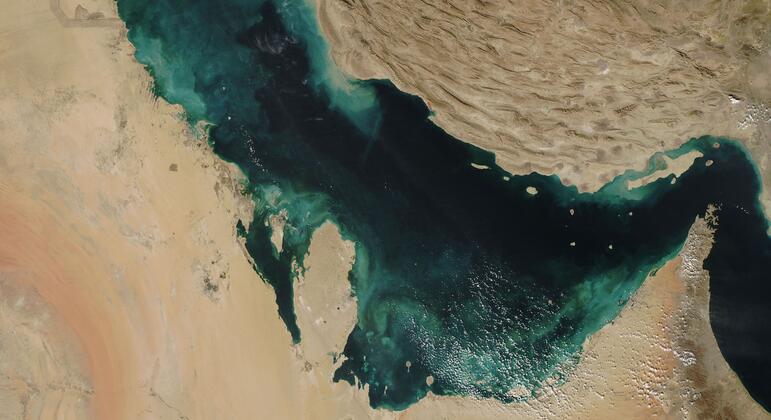
The renewed conflict has again raised concerns over global energy supplies. The Strait of Hormuz handles about one-fifth of the world’s oil and liquefied natural gas shipments, with around 130 commercial vessels normally passing through the waterway each day.
Crude oil prices briefly surged following Tuesday’s reported attacks before easing to around $77 per barrel on Thursday, remaining above pre-conflict levels.