Play store

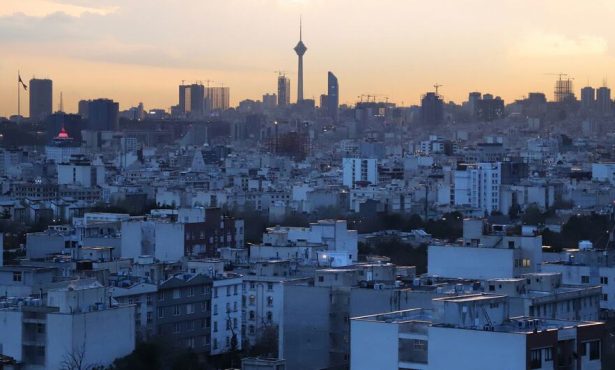
Tensions between the United States and Iran intensified on Monday after the deadline for a key memorandum of understanding (MoU) between the two countries expired, with Washington and Tehran trading increasingly confrontational statements as diplomatic efforts to end the conflict remain stalled.
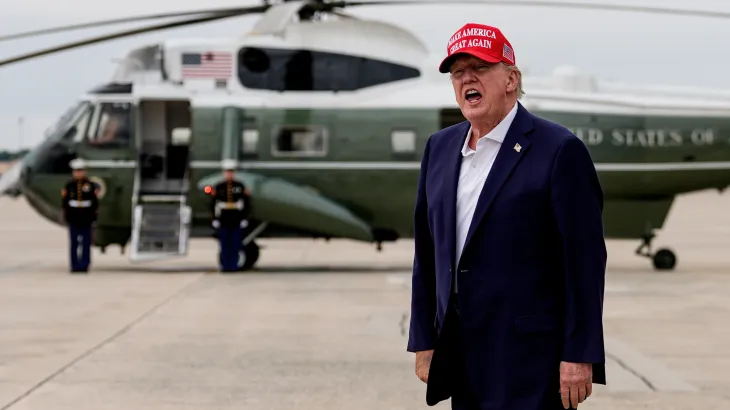
US President Donald Trump, speaking to Fox News, urged Iran to surrender, saying Tehran should “put up the white flag of surrender”. His remarks came as his administration sought to maintain pressure on Iran while claiming that talks with elements of the Islamic Revolutionary Guard Corps (IRGC) were continuing.
The IRGC, however, denied that such negotiations were taking place, underscoring the widening gap between the two sides.
The expiration of the June MoU follows weeks of inconclusive negotiations aimed at securing an end to the conflict and establishing a framework for de-escalation. Tehran has dismissed the deadline as largely irrelevant.
Iranian Foreign Ministry spokesman Esmaeil Baghaei said US violations had already rendered the agreement “entirely moot”. He also warned that Iran’s armed forces remained prepared to respond to any further military action.
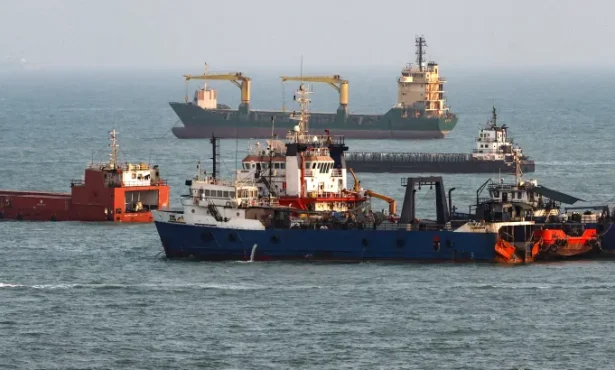
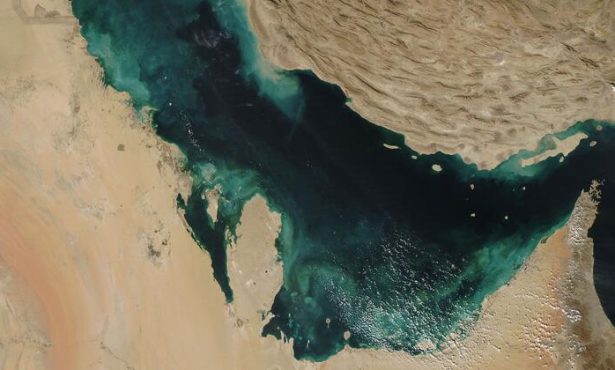
The diplomatic impasse has been accompanied by growing military pressure around the strategically vital Strait of Hormuz, where the United States is enforcing what its Central Command has described as a “steel wall” blockade.
The US military has increasingly targeted commercial vessels attempting to reach Iranian ports as part of the blockade. CENTCOM said in late July that it had redirected 24 commercial vessels, disabled two that failed to comply and boarded two others.
Earlier, CENTCOM said US forces had redirected 12 vessels, disabled two and boarded two as the blockade expanded.
The measures have raised concerns about the broader implications for shipping and global energy markets. The Strait of Hormuz is one of the world’s most important energy corridors, carrying a substantial share of internationally traded oil and gas.
Washington has maintained that the blockade is directed at vessels entering or leaving Iranian ports rather than commercial ships simply transiting the strait to other destinations.
Nevertheless, the growing military presence and repeated encounters with commercial vessels have added another layer of uncertainty to an already fragile regional situation.
The confrontation has also generated political pressure inside the United States. Senate Minority Leader Chuck Schumer has described the administration’s handling of the conflict as one of the biggest foreign-policy failures in US history, arguing that Washington has failed to achieve its stated objectives while American consumers face rising fuel costs.
Schumer has called for an immediate end to the war through serious diplomacy, reflecting growing concern in Washington over the economic and strategic consequences of prolonged conflict.
The latest escalation also comes amid signs that the wider Middle East crisis is becoming increasingly interconnected.
In southern Lebanon, the United Nations Interim Force in Lebanon (UNIFIL) has reported a sharp increase in Israeli military activity. UNIFIL reported that Israeli forces fired 113 projectiles into southern Lebanon on a single day earlier this month, marking the largest single-day violation of Lebanese airspace since June 21.
The development has heightened fears that renewed fighting between Israel and Hezbollah could further complicate attempts to contain the wider regional conflict.
In the occupied West Bank, the United Nations has also been providing emergency assistance to Palestinian communities affected by settler violence and restrictions on movement, adding to the humanitarian pressures confronting the region.
Meanwhile, efforts to secure a ceasefire in Gaza have continued despite major differences between Israel and Hamas.
US envoy Jared Kushner held talks with Hamas political leader Khalil al-Hayya in Egypt before meeting Israeli Prime Minister Benjamin Netanyahu. The discussions were aimed at reviving a US-backed Gaza peace plan, but the meetings ended without a major breakthrough.
The plan reportedly calls for the phased disarmament of Hamas in return for an Israeli military withdrawal from Gaza. Hamas has demanded that Israel halt attacks and withdraw before it agrees to disarm, while Netanyahu has insisted on Hamas’ complete disarmament as a prerequisite for an Israeli withdrawal.
With the US-Iran MoU now expired, military pressure increasing around the Strait of Hormuz and diplomatic efforts struggling on several regional fronts, the Middle East faces another potentially dangerous phase.
For now, neither Washington nor Tehran appears ready to compromise publicly, leaving diplomacy under severe strain and raising fears that a failure to revive negotiations could trigger further military escalation. Source: Al Jazeera