Play store

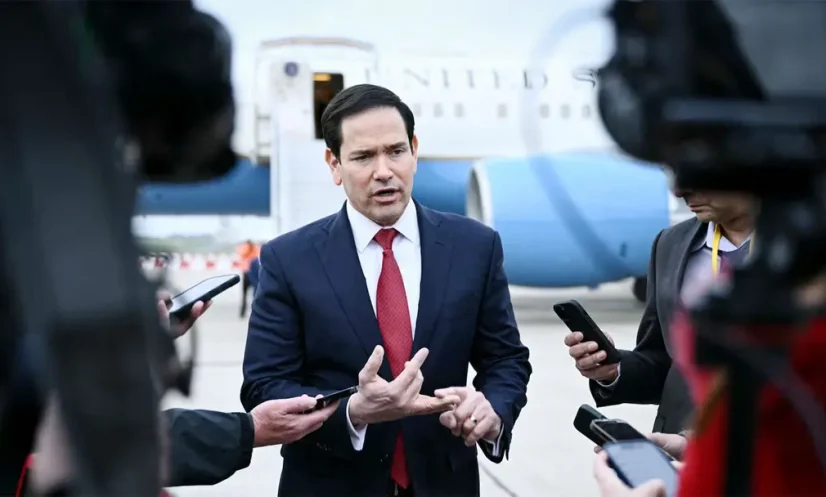
US Secretary of State Marco Rubio has said that reaching a peace agreement with Iran would be extremely difficult, as tensions between Washington and Tehran continue over the Strait of Hormuz, nuclear ambitions and regional security.
Rubio warned that the United States would continue to exert economic pressure on Iran until Tehran stops attacks on commercial shipping in the strategic waterway.
The Strait of Hormuz is a vital global energy route, and disruptions to shipping have raised concerns about oil supplies and international trade.
Iran, meanwhile, has maintained that the strait will remain closed until Washington meets its conditions.
Iranian Foreign Minister Abbas Araghchi has reiterated Tehran’s proposal to reopen the waterway within seven days if the United States accepts its demands.
According to Reuters, Iran’s conditions include lifting the US naval blockade on Iranian ports, removing sanctions on Iranian oil exports and ending hostilities across regional fronts.
Tehran has proposed prioritising maritime security and reopening the strait, while Washington wants Iran’s nuclear programme addressed as part of negotiations.
The two sides remain divided over the sequence and terms of a potential agreement.
US Vice President JD Vance has called for a meaningful reduction in Iran’s uranium enrichment capacity, while Tehran insists that the immediate priority should be restoring security and normal shipping through the strait.
Indirect diplomatic efforts have continued through regional mediators, but a breakthrough remains uncertain.
Iran has also expressed deep distrust of Washington, arguing that previous diplomatic commitments have not provided sufficient guarantees.
A Reuters report published on Tuesday said Iranian officials believed Tehran was in no hurry to reach an agreement, amid fears of renewed US or Israeli military action and concerns about the political consequences of concessions.
The prolonged standoff has placed additional pressure on Iran’s already troubled economy, while restrictions on shipping have disrupted global energy markets.
A failure to revive negotiations could prolong regional instability and further threaten international trade.
Despite the impasse, diplomatic channels remain open. However, significant differences over sanctions, nuclear activities and maritime security continue to stand in the way of a comprehensive settlement.