Play store

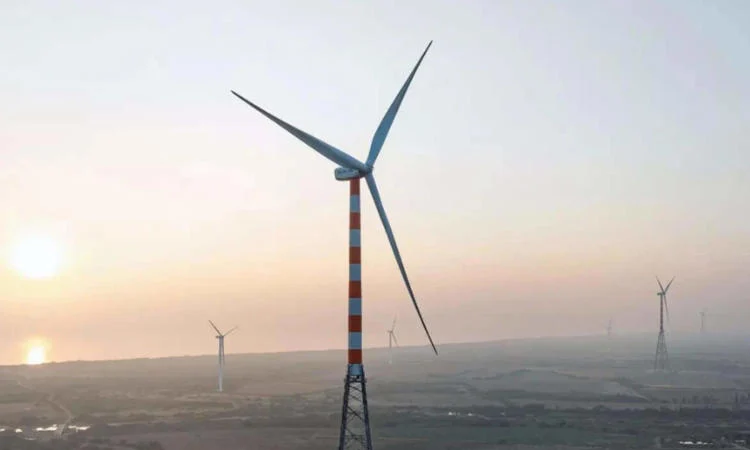
Sri Lanka is determined to accelerate its transition to renewable energy as soaring oil prices expose the risks of relying on imported fossil fuels, but financial, technical and community-related challenges remain, the country’s energy minister told AFP.
“There are some wake-up calls… pushing us to move more to renewable energy,” Energy Minister Anura Karunathilaka said.
“If we can get as much as possible from renewable energy, that would be our policy in the next few years.”
Sri Lanka imports all its oil and gas requirements and has been hit hard since the United States and Israel launched their war on Iran, disrupting shipping through the strategically important Strait of Hormuz.
Surging fuel, gas and electricity prices, fuel rationing and inflation at a three-year high have placed additional pressure on an economy still recovering from its worst-ever economic crisis in 2022.
The government has faced a substantial financial burden. The energy ministry says the state has at times spent up to 30 percent of its foreign exchange reserves in a single month to pay for fossil fuel imports.
Sri Lanka’s renewable energy targets were established before the war. The country aims to generate 70 percent of its electricity from renewable sources by 2030, up from around 60 percent currently, with hydropower accounting for about 40 percent.
“We will probably have to go beyond 70 percent,” Karunathilaka said.
However, the transition faces growing local opposition and infrastructure constraints.
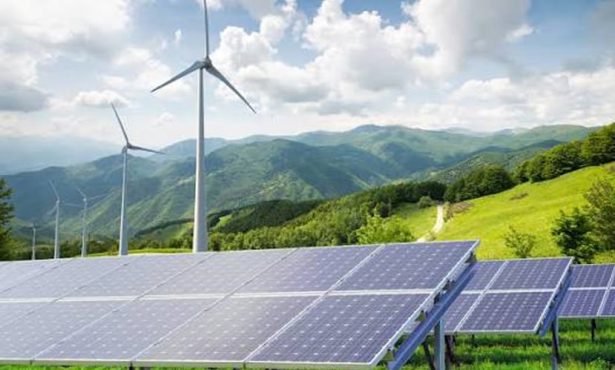
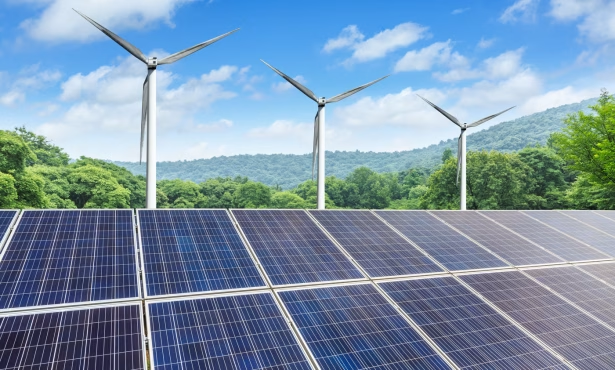
Sri Lanka has an estimated 30 gigawatts of wind power potential, but residents of the northwestern Mannar peninsula have raised concerns about wind turbines operating since 2020. They blame the installations for flooding, declining fish stocks and threats to migratory birds.
Karunathilaka said the government had listened to the concerns of local communities.
“We have promised the people of Mannar… that only projects already approved or under construction will go ahead,” he said, adding that future wind farms would be developed in other areas.
Technical limitations also threaten to slow the transition, particularly constraints on electricity transmission and grid management.
“The problem is the constraint in the transmission lines, availability and also control of the grid, as well as fluctuations in supply and demand,” the minister said.
The government plans to strengthen the country’s transmission capacity from next year by adding five major transmission network lines.
However, expanding the network alone may not resolve the challenges.
The rapid adoption of solar power, particularly rooftop photovoltaic panels installed at homes and businesses, has created significant fluctuations in electricity supply. During daylight hours, solar generation can exceed demand, placing additional pressure on the grid’s ability to balance supply and consumption.
Sri Lanka’s experience highlights the challenges facing countries seeking to reduce dependence on imported fossil fuels while expanding renewable energy infrastructure and maintaining a stable electricity supply.