Play store

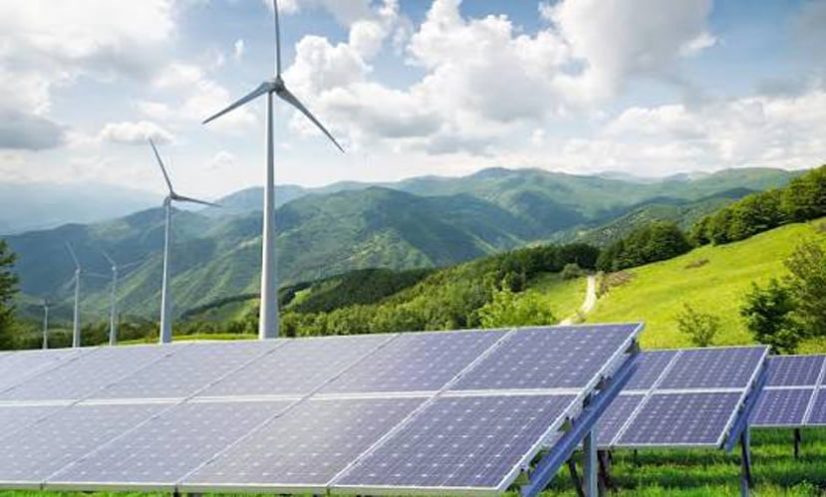
Expanding local manufacturing of solar technologies, building a nationwide public movement for renewable energy and maintaining a balanced energy mix are essential for accelerating Bangladesh’s clean energy transition and strengthening long-term energy security, Prime Minister’s Adviser on the Ministries of Finance and Planning Prof. Dr. Rashed Al Mahmud Titumir said on Sunday.
Speaking at a seminar titled “Distributed Renewable Energy: The Future Solar Solution for Bangladesh” at the Economic Reporters’ Forum (ERF) auditorium in Dhaka, Titumir said Bangladesh must go beyond policy commitments and encourage broad public participation to make renewable energy a national movement.
He stressed the need to establish domestic production of photovoltaic (PV) panels, batteries, inverters and other solar equipment instead of relying heavily on imports. According to him, local manufacturing would strengthen supply chains, create employment, encourage technological innovation and reduce the cost of renewable energy for consumers.
Titumir noted that Bangladesh, as South Asia’s second-largest economy and one of the world’s largest consumer markets by population, has the potential to develop a competitive renewable energy manufacturing industry. He said the first priority should be creating public demand for clean energy, adding that a strong social movement would naturally encourage market investment and expand supply.
Drawing on Bangladesh’s history of successful public campaigns, including the mass literacy movement and the Expanded Programme on Immunization (EPI), he called on civil society organisations, NGOs and microfinance institutions to lead a nationwide campaign promoting renewable energy adoption. He described access to clean energy as a basic right that should reach every household.
The adviser said wider use of renewable energy could lower household energy costs, increase savings and create new investment opportunities, helping reduce poverty. He also advocated household-level renewable energy solutions, including solar-powered cooking systems, to reduce dependence on imported fuels and ease pressure on domestic gas supplies.
Highlighting the importance of energy security, Titumir said Bangladesh should adopt a diversified energy mix in which renewable energy gradually plays a larger role while conventional energy sources continue to support the country’s growing demand.
He added that increasing renewable energy would reduce import dependence and better protect Bangladesh from global disruptions caused by geopolitical tensions, supply chain challenges and climate change.
Titumir said the government has already introduced tax and duty incentives to encourage investment in renewable energy technologies and urged financial institutions to expand affordable financing for solar projects, particularly in rural areas.
The seminar was jointly organised by the Economic Reporters’ Forum (ERF) and the Distributed Renewable Energy Platform (DREP). Representatives from the Centre for Policy Dialogue (CPD), Bangladesh Sustainable and Renewable Energy Association (BSREA), CLEAN, SOLshare and ActionAid Bangladesh also discussed policy reforms, financing and technological innovations needed to accelerate Bangladesh’s renewable energy transition. During the event, CPD launched its “Renewables in Bangladesh” website as an information platform for the sector.