Play store

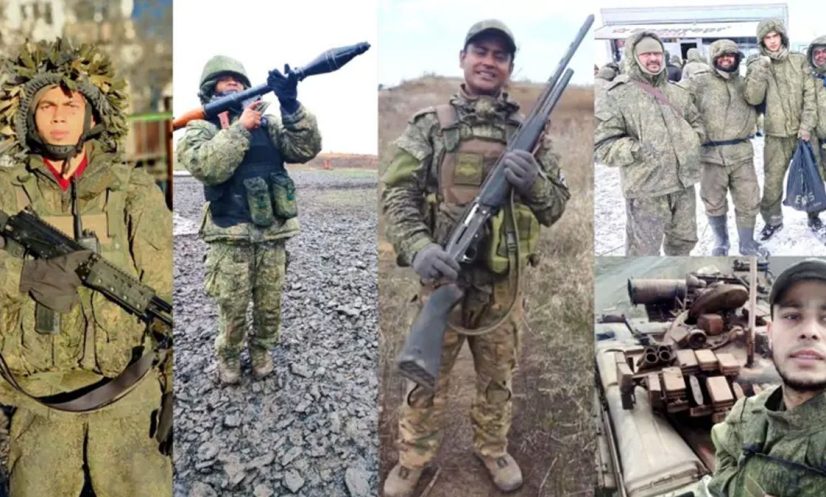
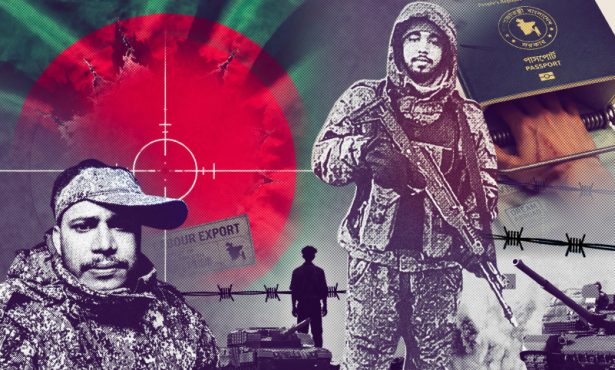
Bangladeshis were among nationals of 29 countries recruited into the Russian armed forces through deception or coercion and sent to fight on the frontlines in Ukraine, a United Nations investigation has found.
The UN Independent International Commission of Inquiry on Ukraine found evidence that foreign nationals were lured to Russia with promises of well-paid civilian jobs but were subsequently forced to join the military and deployed to combat zones.
According to the findings presented to the UN General Assembly’s Third Committee on Monday, many recruits were made to sign military contracts written in Russian, a language they could not understand. Some were reportedly threatened, had their passports and mobile phones confiscated, or were coerced into military service.
The investigation examined recruitment involving nationals of 48 countries and found evidence of deceptive or coercive practices affecting people from 29 countries, including Bangladesh, India, Sri Lanka, the Philippines, Kenya, Nigeria and Uzbekistan.
The commission’s findings were based on 245 testimonies from recruits, their family members and other sources, alongside employment invitations, visas, travel records and contracts with the Russian Defence Ministry.
Investigators also obtained copies of business visas issued to Bangladeshi recruits, indicating that a civilian company in Russia had invited them.
Many recruits received little military training before being deployed to dangerous frontline positions.
Some were killed, wounded or reported missing, while others surrendered or were captured by Ukrainian forces.
The UN report did not specify how many Bangladeshis had been trafficked, killed or gone missing.
A separate investigation by Fortify Rights and Truth Hounds in March identified at least 104 Bangladeshis recruited into the Russian military, with at least 34 reportedly killed.
Meanwhile, data from Bangladesh’s Bureau of Manpower, Employment and Training showed that 7,949 employment clearances were issued for Russia between January 1, 2025, and October 27, 2026.
The commission called for an end to deceptive and coercive recruitment practices and urged that victims of trafficking recruited into the Russian armed forces be released from military service.
It also stressed that captured foreign recruits may be entitled to prisoner-of-war protections under international humanitarian law.