


 Play store

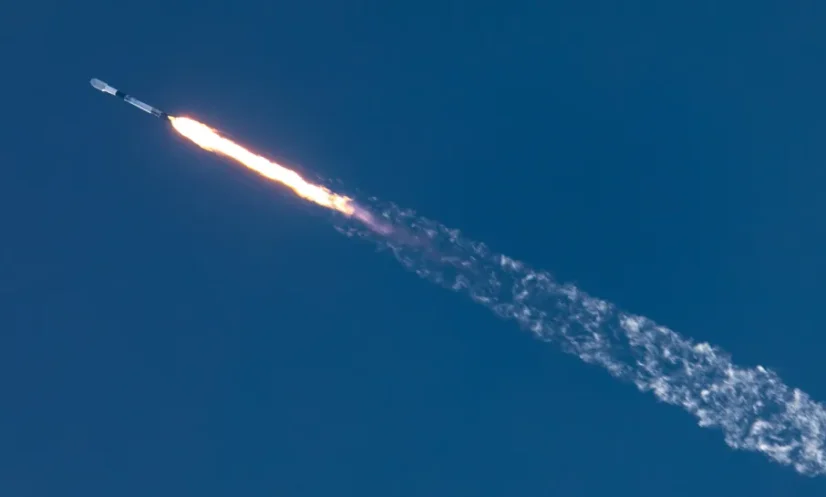
SpaceX is operating two satellite networks, Starlink and Starshield, serving different customers and purposes, with one providing commercial internet services and the other designed for military and national security operations.
The distinction between the two networks has drawn renewed attention following a disruption to satellite connectivity used by Ukrainian drone operators in October, highlighting questions about who controls the systems and how they are operated.
According to Space.com, Ukrainian officials said Starshield terminals stopped working at speeds above 160 kilometres per hour from October 14, affecting efforts to conduct defensive operations and intercept Russian drones. Full connectivity was restored on October 24, according to Ukrainian President Volodymyr Zelenskyy.
Starlink: Commercial satellite internet
Starlink is SpaceX’s commercial satellite internet service, providing broadband and mobile connectivity to consumers, businesses and government agencies.
The company has deployed more than 11,000 satellites in low Earth orbit, operating at an altitude of around 550 kilometres above the planet.
Owned and operated by SpaceX, Starlink serves customers in more than 160 countries. Individuals, businesses, airlines and public agencies can purchase terminals and subscription plans.
Governments also use the network for communications, disaster response and national security purposes. Ukraine has been a prominent user since Russia launched its full-scale invasion in February 2022.
Starshield: Military and national security network
Starshield, announced by SpaceX in December 2022, is designed specifically for government and national security customers, particularly the US military and intelligence agencies.
The programme initially focused on three areas: Earth observation, secure communications and hosting government payloads on satellites.
Although Starshield uses technology similar to Starlink, its satellites incorporate additional equipment, more secure hardware and software, and hardened systems for sensitive government operations.
Its capabilities include intelligence and surveillance satellites, military data transmission and encrypted communications for ground-based users.
The US National Reconnaissance Office (NRO) uses satellites for intelligence gathering, including electro-optical imaging, radar observation and data relay. The agency has said it launched more than 200 satellites in recent years as part of its expanding satellite architecture.
Another major component is the Space Data Network Backbone, previously known as MILNET. The US Space Force awarded SpaceX a $2.29 billion contract to develop the system, which is intended to rapidly transmit information between missile-warning sensors and interceptors under the Golden Dome missile defence programme. A prototype is expected by the end of 2027.
How the two networks work together
Although Starlink and Starshield are separate satellite networks, they have some technological and operational links.
Starshield satellites can access the Starlink network when necessary, providing additional connectivity for US national security customers. However, this interoperability is not available to ordinary commercial Starlink subscribers.
Military users can access Starshield through dedicated terminals or specially configured Starlink terminals providing Starshield services.
Their terms of use also differ. SpaceX chief executive Elon Musk has said Starlink’s terms of service prohibit its use for offensive drone strikes, while decisions on Starshield operations are made by the US government.
Who controls Starshield?
The division of control between SpaceX and the US government remains a key question.
The US government is the principal customer and, in some cases, the owner of Starshield assets. SpaceX, meanwhile, builds the satellites, operates the underlying Starlink infrastructure and, under certain arrangements, operates Starshield satellites.
However, the precise division of operational authority and decision-making responsibilities is not publicly clear, partly because many programme details remain classified.
Bleddyn Bowen, associate professor of astropolitics at Durham University in the UK, compared the arrangement with Britain’s Skynet military satellite system, where contractors operate the satellites while the government and military retain control over operational decisions.
The distinction is significant because it determines the extent to which SpaceX can independently make decisions affecting military satellite services and how much authority rests with government customers.