Play store


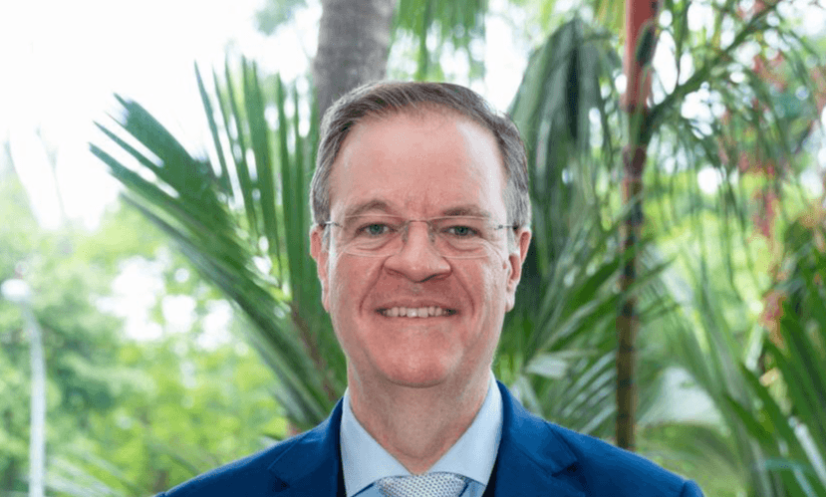
Bangladesh can achieve its target of generating 10,000 megawatts (MW) of solar power by 2030, provided it maintains the current momentum and accelerates investment in the renewable energy sector, says John Grimes, Chief Executive Officer of the Renewable Energy Council Asia-Pacific (RECAP).
Amid the global energy crisis and growing uncertainty over energy supplies, the Bangladesh government has set an ambitious target of generating 10,000MW of renewable energy by 2030 to address the country’s energy challenges. With Bangladesh currently having around 1,450MW of installed solar capacity, it needs to add approximately 2,000MW annually to achieve the target.
In a written interview with journalists during his recent seven-day visit to Bangladesh, Grimes expressed optimism about the country’s renewable energy prospects, saying that strong government commitment, policy support and growing investor interest could help Bangladesh achieve its goal.
Asked about energy security and how Bangladesh could reach the 10,000MW solar power target by 2030, Grimes said the government deserved considerable credit for making solar energy a national priority.
“The Bangladesh Government deserves real credit here. Energy security through solar is being driven from the very top, with the Prime Minister and cabinet treating it as a key national priority. Few governments in the region have moved this quickly or this seriously,” he said.
He said the government’s initial steps had been encouraging, including reducing import duties on solar equipment, installing solar systems on government buildings, making low-interest financing available and launching public awareness campaigns to explain the benefits of solar energy for households, businesses and the national economy.
These measures would help reduce electricity bills, strengthen energy security and build a more resilient economy, he added.
Grimes said such initiatives were particularly important given the prevailing global energy situation, as Bangladesh imports a substantial portion of the fuel used for power generation, leaving households and industries vulnerable to international conflicts and price shocks.
“I won’t comment on the conflicts themselves, but the lesson is clear. Sunshine is a domestic resource that no one can blockade,” he said.
Describing the 10,000MW target as ambitious but achievable, Grimes said Bangladesh currently had around 1,450MW of solar capacity and would need to increase the pace of installation to approximately 2,000MW a year.
He outlined five key areas that could help the country accelerate solar power generation.
First, he stressed the need to expand rooftop solar installations on a large scale, saying at least half of the target could be achieved through rooftop systems.
The garment sector alone has the potential to add nearly 3,000MW of solar capacity, while European buyers are increasingly looking for cleaner supply chains. Simple and speedy net-metering arrangements would help unlock this potential, he said.
Second, he emphasised the importance of preparing land and transmission infrastructure for large-scale solar parks, followed by transparent competitive auctions to attract strong investor interest.
Third, he suggested building on the recent reductions in import duties on solar equipment by extending similar measures to batteries and other essential components to reduce costs further and accelerate investment.
Fourth, he called for establishing a one-stop service for investors, with clear timelines for project approvals and grid connections, to convert growing investor interest into actual projects.
Finally, he highlighted the importance of energy storage and skills development, saying batteries would enable solar power to meet evening peak demand, while accredited installers would ensure that solar systems were safe, reliable and capable of operating for 25 years.
Grimes also identified Australia as a natural partner for Bangladesh in developing its renewable energy sector.
“About one in three Australian homes has rooftop solar, and at times our grid runs on very high shares of solar. We have learned a great deal about installer standards, grid integration, storage and consumer protection,” he said.
He said RECAP maintained close cooperation with the Bangladesh Sustainable and Renewable Energy Association and was ready to support the government, industry and investors by sharing Australia’s experience and helping mobilise investment.
Asked about Bangladesh’s business environment and its ability to attract investment in renewable energy, Grimes said the country’s policy direction was encouraging and had already attracted the attention of investors.
“The direction is very encouraging, and investors are noticing. Bangladesh has a clear target, leadership from the highest levels of government, and practical measures already in place: lower import duties, low-interest finance, solar on public buildings, and early progress on rooftop solar and net metering,” he said.
He noted that global investors were looking for large and growing markets where governments demonstrated a serious commitment to clean energy, adding that Bangladesh now met both requirements.
However, he said several measures would be important to accelerate the inflow of investment. These include stable and predictable tariffs, easier access to land and grid connections, reliable payments for electricity supplied to the grid, and a transparent approval process with clearly defined timelines.
“Bangladesh is one of the biggest renewable energy opportunities in Asia, and the government’s actions are helping the world see it,” he added.
Asked about the prospects for renewable energy development under Bangladesh’s Blue Economy initiatives, Grimes said the sector was not his core area of expertise but identified several promising opportunities from an energy perspective.
“Bangladesh has limited land and abundant water, which makes floating solar on reservoirs, ponds and other water bodies a very practical option to scale,” he said.
He also suggested that offshore wind energy in the Bay of Bengal deserved serious consideration, beginning with comprehensive assessments of wind resources.
Australia, which is developing its own offshore wind industry, could share valuable lessons with Bangladesh on planning and regulatory frameworks, he said.
He further identified clean energy supplies for ports, coastal communities and fishing communities as other promising areas of cooperation.
On cooperation between Bangladesh and Australia in addressing climate change, Grimes said Bangladesh was among the countries most vulnerable to climate change despite making a very limited contribution to global emissions.
“Bangladesh is among the countries most exposed to climate change, despite contributing very little to it. It has used its voice in global negotiations to great effect, and its leadership on adaptation is respected around the world,” he said.
He said bilateral cooperation should address both climate adaptation and emissions reduction.
On adaptation, Australia and Bangladesh could share expertise in disaster preparedness, water management and climate-resilient infrastructure.
Solar power and battery storage could also play an important role in strengthening Bangladesh’s disaster response capacity by keeping cyclone shelters, clinics and telecommunications facilities operational during power outages, particularly when the national grid is disrupted.
On emissions reduction, he said the government’s push for solar energy was the fastest way to reduce dependence on imported fossil fuels and deserved strong international support, including climate finance.
Grimes also pointed to an opportunity for stronger international cooperation as Australia leads negotiations at COP31.
“With Australia leading the negotiations at COP31, there is a timely opportunity to put the needs and achievements of countries like Bangladesh at the centre,” he said.