


 Play store

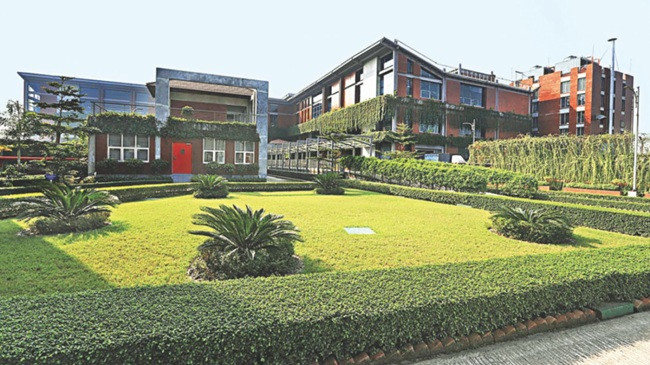
Bangladesh has crossed a significant milestone in promoting environmentally friendly industrial infrastructure, with the number of factories receiving Leadership in Energy and Environmental Design (LEED) certification from the US Green Building Council (USGBC) exceeding 300.
With 12 new garment, textile and accessories factories receiving the certification on Thursday, the total number of LEED-certified factories in the country has reached 302.
According to USGBC data, Bangladesh now has the highest number of LEED-certified factories in the world.
Of the 302 certified factories, 134 have received Platinum, 148 Gold, 16 Silver and four Certified ratings.
Bangladesh also accounts for 53 of the world’s 100 highest-scoring LEED-certified factories.
Among the 12 newly certified factories, nine received Platinum and three Gold ratings.
Adji Trims Limited, located in Dhamrai, Dhaka, secured Platinum certification with the highest score of 97 points.
The other factories receiving Platinum certification are D&S Pretty Fashions Limited (91 points), Probritti Apparels (88), FKL Printing Building (86), L Yousufin Fashion (85), Visual Eco Stylewear (84), KDS Apparels’ Textile and Washing Unit (82), Paxar Bangladesh (82) and Expo Accessories Limited (82).
Three factories received Gold certification: the knitting unit of Bornali Collections Limited with 68 points, Bestec BD with 66 points and Export Building-2 in Mirzapur, Tangail, with 64 points.
LEED certification evaluates buildings on several environmental criteria, including energy and water efficiency, building materials management and indoor environmental quality.
Expressing satisfaction over the number of environmentally friendly factories crossing 300, former Bangladesh Garment Manufacturers and Exporters Association (BGMEA) director and Bangladesh Apparel Voice Chief Executive Officer Mohiuddin Rubel told bdnews24.com that the growing number of LEED-certified factories reflects Bangladesh’s progress in developing sustainable industrial infrastructure.
He said such certification plays an important role in promoting energy efficiency, better water management and reducing environmental impacts.
“With the certification of 12 more factories, another milestone has been added to Bangladesh’s journey towards green industrialisation,” he said.
How it started
Following the Rana Plaza collapse in 2013, workplace conditions and safety in Bangladesh’s garment industry came under intense domestic and international scrutiny. Alongside workplace safety improvements, entrepreneurs became increasingly interested in developing environmentally sustainable industrial infrastructure.
The first Bangladeshi factory received LEED certification in 2012. Vintage Denim Studio at the Ishwardi Export Processing Zone (EPZ) in Pabna was awarded Platinum certification that year.
Since then, many more factories in the country’s garment and textile sectors have received the certification. Environmentally friendly facilities have also emerged in other industries, including shipbuilding, footwear and electronics manufacturing, as well as in commercial buildings.
The USGBC, established in 1993, is one of several organisations worldwide that certify environmentally sustainable buildings. It awards LEED certification, which stands for Leadership in Energy and Environmental Design.
The certification applies not only to factories but also to commercial buildings, schools, hospitals, homes, retail outlets and places of worship.
Both newly constructed buildings and existing buildings undergoing renovation can apply for LEED certification. However, requirements and scoring systems vary depending on the project type and assessment method.
There are four main levels of LEED certification: Platinum, Gold, Silver and Certified.
Under USGBC standards, buildings scoring 80 points or more qualify for Platinum certification, those scoring 60–79 points receive Gold, 50–59 points Silver and 40–49 points Certified status.
The assessment considers factors such as energy and water consumption, environmental impacts of construction materials, waste management and indoor environmental quality. To obtain certification, buildings must meet specific environmental standards in their design, construction and operation.