


 Play store

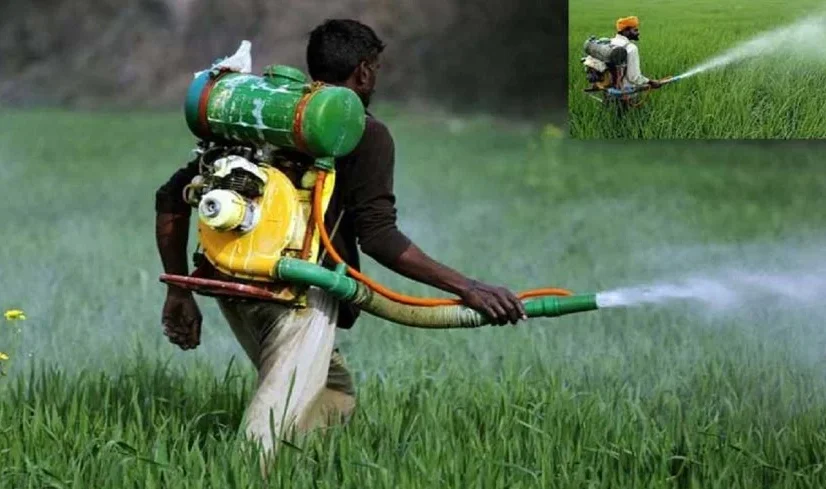
Amid growing concerns over excessive pesticide use and its impact on food safety, public health, biodiversity and the environment, Bangladesh’s Ministry of Agriculture has formed a 19-member expert committee to modernize the country’s pesticide management framework.
The committee has been tasked with reviewing existing laws, regulations and operational practices and submitting policy recommendations within three months.
The decision was announced in an office order issued on Tuesday (July 21) by the ministry’s Inputs-2 Division.
Agricultural research and field observations indicate that farmers in the drought-prone Varendra region of Rajshahi and Rangpur divisions are applying pesticides at eight to ten times the recommended level for potato, eggplant and Boro rice due to increased pest infestations linked to climate change.
Similarly, intensive vegetable-growing areas including Narsingdi, Savar, Tangail and Sherpur-Mymensingh are witnessing heavy pesticide use. In crops such as cauliflower, cabbage and eggplant, pesticides are reportedly sprayed 17 to 150 times in a single season, while recommended Pre-Harvest Intervals (PHI) are often ignored, raising food safety concerns.
Chemical pesticide use has also increased in tomato and watermelon cultivation in coastal saline regions. However, the adoption of biopesticides and pheromone traps is gradually expanding in Satkhira and Jashore with international support.
Meanwhile, tea gardens and winter vegetable farms in Chattogram and Sylhet divisions continue to rely heavily on pesticides. Environmental groups in the hill tracts and haor regions have warned that excessive chemical use is threatening indigenous fish species, wild vegetables and medicinal plants.
According to the office order signed by Deputy Secretary Mohammad Suhel Mahmud, the committee will review pesticide import, production, licensing, registration, quality control, laboratory services, administrative mechanisms and monitoring systems to develop a modern, science-based regulatory framework.
The committee will be chaired by the Secretary of the Ministry of Agriculture, while the Director General of the Department of Agricultural Extension will serve as Member Secretary. Representatives from the agriculture, health and environment sectors, the Bangladesh Food Safety Authority, research institutions, universities and public health experts are also included.
Its mandate includes reviewing existing pesticide laws and regulations, identifying gaps in the sector, recommending reforms to ensure food safety and proposing a comprehensive policy guideline. The committee may also co-opt additional experts if required.
The Ministry expects the committee’s recommendations to strengthen safe and responsible pesticide use, improve food safety, protect public health and biodiversity, and support sustainable agricultural development.