Play store

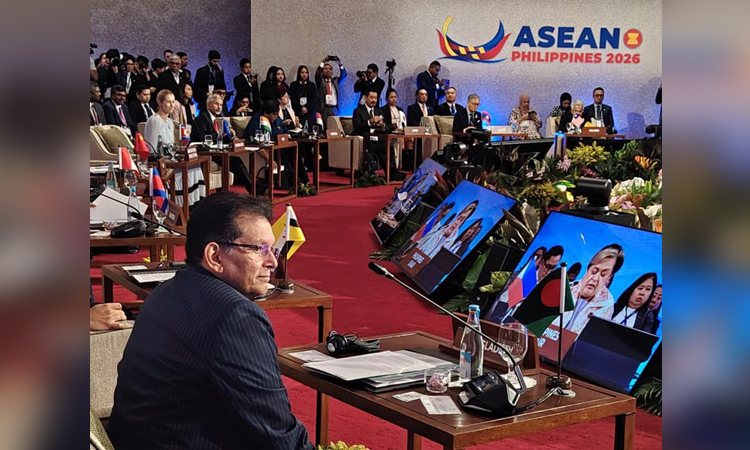
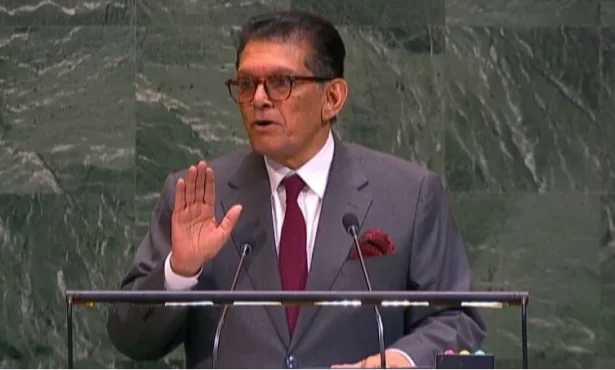
Foreign Minister Dr Khalilur Rahman has called on members of the ASEAN Regional Forum (ARF) to strengthen regional cooperation and collectively support efforts to achieve a sustainable solution to the protracted Rohingya crisis, warning that its prolonged continuation poses growing humanitarian and regional security challenges.
Addressing the 33rd ASEAN Regional Forum Ministerial Meeting in Manila, the foreign minister reaffirmed Bangladesh’s commitment to dialogue, multilateralism and a rules-based international order at a time of increasing geopolitical uncertainty and regional security tensions, according to a Foreign Ministry press release issued on Thursday.
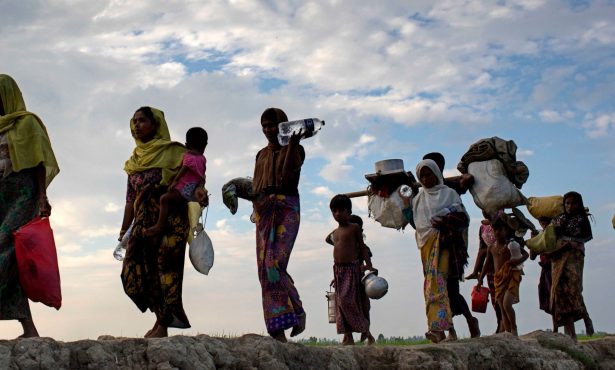
Highlighting Bangladesh’s humanitarian role, Rahman said the country has been sheltering more than 1.3 million forcibly displaced Rohingyas from Myanmar for nearly a decade, despite its own developmental and resource constraints.
He cautioned that the prolonged displacement has exposed Bangladesh to a range of cross-border security threats, including drug trafficking, human trafficking and the illicit movement of arms and weapons, with implications extending beyond Bangladesh to the wider region.
“Rohingyas are not stateless people by circumstance; they are stateless by design. It is a political failure and demands a political solution,” the foreign minister said.
He urged ARF member states to intensify collective efforts to create conditions inside Myanmar that would allow the safe, voluntary, dignified and sustainable repatriation of the Rohingyas to their homeland in Rakhine State.
Turning to broader regional and global security issues, Rahman said the international community is facing unprecedented geopolitical challenges and stressed that sustained dialogue and diplomacy remain the most effective tools for preventing conflict and resolving disputes.
He called on all countries to exercise maximum restraint in addressing maritime disputes and to uphold international law, particularly the United Nations Convention on the Law of the Sea (UNCLOS), through peaceful negotiations and constructive engagement.
On climate security, the foreign minister noted that Bangladesh remains one of the countries most vulnerable to climate change and natural disasters. He reaffirmed the country’s commitment to strengthening regional cooperation in disaster preparedness, emergency response and early warning systems.
As Co-Chair of the ARF Inter-Sessional Meeting on Disaster Relief, Bangladesh will continue advocating stronger regional resilience and enhanced cooperation under the ARF framework, he said.
Rahman also highlighted the opportunities and emerging risks associated with artificial intelligence and other advanced technologies. He called for closer regional collaboration to address cybersecurity threats, combat disinformation and prevent the misuse of emerging technologies.
He proposed exploring a regional technology governance framework tailored to the geopolitical realities and developmental priorities of the Asia-Pacific region.
The foreign minister also expressed appreciation for the support extended by participating countries to Bangladesh’s candidature for the presidency of the 81st session of the United Nations General Assembly (UNGA).
Reaffirming Bangladesh’s commitment to regional peace, stability and shared prosperity, Rahman said the country would continue to promote cooperation based on mutual respect and dialogue.
“Bangladesh will always choose dialogue over division, partnership over polarization,” he said.