Play store

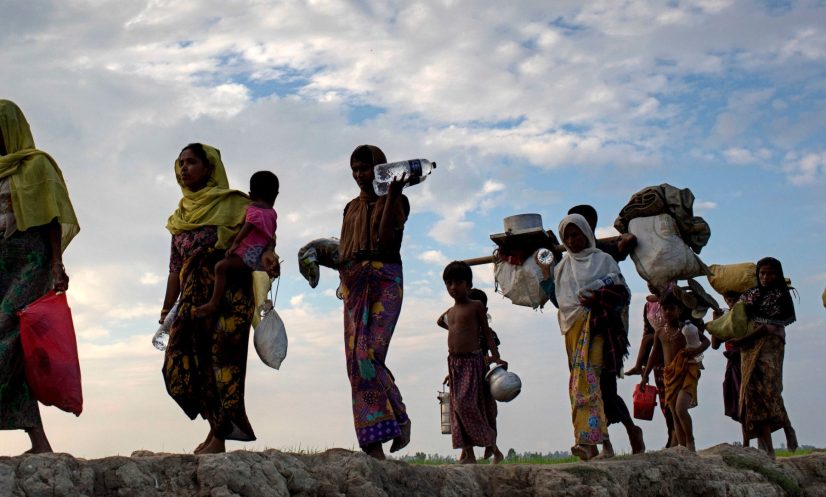
Nine years after more than 700,000 Rohingya fled Myanmar’s Rakhine State amid a military crackdown, their return home remains as uncertain as ever. Not a single large-scale repatriation has taken place, despite repeated pledges and several rounds of diplomatic negotiations.
August 25 marks nine years since the massive influx transformed Cox’s Bazar into one of the world’s largest refugee settlements.
More than 1.2 million Rohingya are now living in 32 camps in Ukhiya and Teknaf, while fresh arrivals from Myanmar have continued to add pressure on Bangladesh.
The latest development has offered a fresh but fragile glimmer of hope. Myanmar says it has verified 426,545 names from the lists submitted by Bangladesh and recognised 308,797 people as former residents of Rakhine.
But it has set no timetable for their return, saying repatriation can begin only when security conditions in conflict-ridden Rakhine improve.
Bangladesh, however, has rejected Myanmar’s figures and its description of the Rohingya as “Bengali” residents.
Dhaka maintains that the UN-led registration process provides a more accurate picture of the refugee population and has urged Myanmar to speed up verification while taking into account children born in the camps and those who arrived after 2017.
The disagreement over identity is more than a matter of statistics. Myanmar’s refusal to recognise the Rohingya as an ethnic group has long been at the heart of the crisis.
Rights were progressively stripped away through restrictions on citizenship, movement, political participation and access to basic services, laying the groundwork for repeated displacement.
Previous repatriation efforts have repeatedly failed. A bilateral agreement was reached in 2017, while two planned returns in 2019 collapsed after Rohingya refugees expressed a lack of confidence in the safety and conditions awaiting them in Myanmar.
A later trilateral initiative involving China also failed to produce a breakthrough.
The situation has since become even more complicated. Myanmar’s civil war and fighting between the military and the Arakan Army have made conditions in Rakhine increasingly unstable.
More than 150,000 Rohingya reportedly arrived in Bangladesh between December 2024 and July 2026, adding to the country’s already heavy humanitarian burden.
At the same time, international humanitarian assistance is shrinking. The 2026 Joint Response Plan seeks about $710.5 million to support Rohingya refugees and vulnerable host communities, but funding constraints are making life in the camps increasingly difficult.
For Bangladesh, the crisis is therefore no longer simply a humanitarian emergency. It has become a prolonged diplomatic, security and economic challenge.
Officials have repeatedly called for stronger international pressure on Myanmar to ensure a safe, voluntary, dignified and sustainable return.
Nine years on, the central question remains unchanged: when will the Rohingya be able to return home safely? Myanmar’s renewed promises may create another opening for diplomacy, but without meaningful changes in Rakhine, recognition of Rohingya rights and credible guarantees for their safety, repatriation risks remaining another promise without a return.