Play store

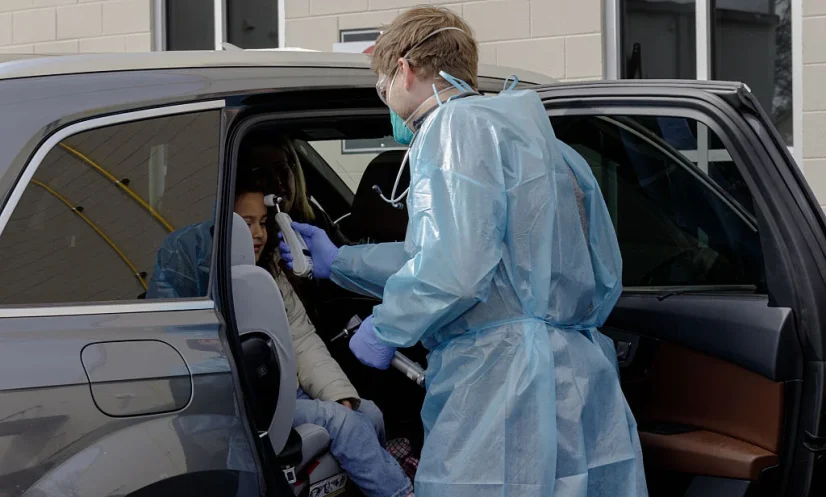
The United States is experiencing its worst measles outbreak in more than three decades, with health officials warning of a deepening public health crisis driven largely by declining vaccination rates.
According to the Centers for Disease Control and Prevention, at least 2,318 confirmed cases have been reported since the start of 2026—surpassing the total recorded in 2025, which had already marked a troubling resurgence of the disease.
Medical experts say the outbreak is largely preventable. Andrew Racine described the situation as “an avoidable crisis” that disproportionately affects children, urging stronger efforts to restore public confidence in vaccines.
Measles, a highly contagious viral illness, typically causes fever, respiratory symptoms and a widespread rash. In severe cases, it can lead to complications such as pneumonia and brain inflammation, which may result in long-term health damage or death.
The disease had been declared eliminated in the US in 2000 following widespread immunization. However, it has re-emerged in recent years amid growing vaccine hesitancy and misinformation.
Health Secretary Robert F. Kennedy Jr. has faced criticism from public health experts, who accuse him of amplifying anti-vaccine sentiment and undermining trust in established immunization programs.
The last major outbreak of this scale occurred in 1991, when more than 9,600 cases were reported. Since then, routine two-dose vaccination had kept infections largely under control—until recent declines in uptake.
Experts warn that the current outbreak is far from contained. Melissa Nolan said underdiagnosis may be masking the true extent of infections, particularly among communities with strong vaccine skepticism.
Although measles vaccination is required in many parts of the US, exemptions for religious or philosophical reasons have increased significantly since the COVID-19 pandemic. This trend has been fueled by widespread misinformation and declining trust in health authorities.
A 2025 poll by The Washington Post and the nonprofit KFF found that one in six American parents delays or avoids vaccinating their children due to safety concerns.
Public health officials are particularly worried about the potential for further outbreaks of other vaccine-preventable diseases. Experts caution that measles—due to its extreme contagiousness—is often the first indicator of weakening immunization coverage.
Unless vaccination rates improve, specialists warn that the US could face a broader resurgence of diseases once thought to be under control.