


 Play store

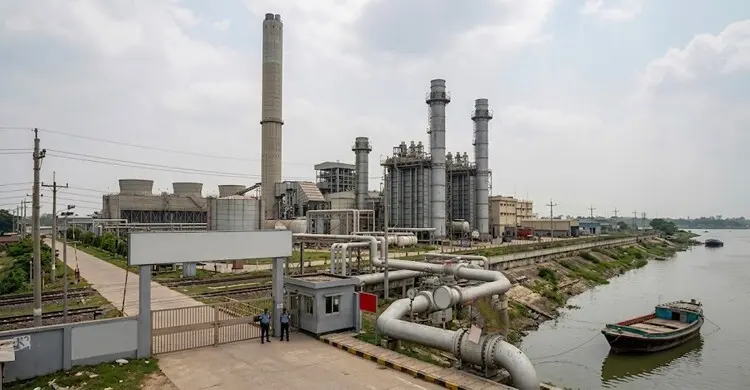
Bangladesh is facing a growing mismatch between its electricity generation capacity and the fuel needed to operate it, with more than 6,300MW of gas-fired generation capacity currently sitting idle or running below capacity amid a severe gas shortage.
According to Bangladesh Power Development Board (BPDB) data, the country has 52 gas-fired power plants with a combined capacity of 11,934MW. Of these, 21 plants are completely shut down because of inadequate gas supplies, while another eight are operating only partially.
Together, the 29 plants could generate around 6,312MW if sufficient gas were available. The situation highlights that Bangladesh’s electricity crisis is increasingly being driven by a fuel shortage rather than a lack of installed generation capacity.
The problem has become more serious as electricity demand continues to rise. The country has been experiencing an average of more than 2,000MW of load-shedding daily this month, while load-shedding reportedly reached 3,700MW after midnight on 10 August, the highest level recorded so far.
As a result, consumers are enduring prolonged power cuts even as thousands of megawatts of generation capacity remain unused.
Petrobangla estimates that the country’s 52 gas-fired power plants require around 2,525 million cubic feet (mmcf) of gas a day to operate at full capacity.
But because of the ongoing supply crisis, less than half of that requirement is being supplied regularly.
Overall, Bangladesh’s daily gas demand is around 3,800mmcf, while domestic production combined with imported liquefied natural gas (LNG) can supply a maximum of about 2,800mmcf.
Recent disruptions in LNG supplies have pushed actual availability even lower, to around 2,100-2,200mmcf a day.
The deficit is putting pressure across the economy, affecting power generation as well as industries, transport services and household consumers.
The gas shortage is also raising the cost of electricity generation.
Gas-fired power plants can produce electricity at around Tk5-6 per unit, while coal-fired plants cost roughly Tk10-14 per unit. Oil-fired plants are even more expensive, costing around Tk25-35 per unit.
With gas-fired plants unable to operate normally, authorities are increasingly forced to rely on coal- and oil-based generation to meet demand. This adds to the overall cost of electricity production and increases pressure on the power sector.
The situation becomes particularly difficult during the evening-to-midnight peak period, when oil-fired plants often have to be brought online to compensate for the gas shortage.
Recent figures show how quickly electricity generation can improve when more gas is supplied to power plants.
From 13 August, the daily gas allocation for the power sector was increased from around 700-750mmcf to nearly 1,000mmcf. Following the increase, average electricity generation from gas-fired plants rose from approximately 4,500MW to 5,500MW.
Energy Division Joint Secretary Monir Hossain Chowdhury said the government was working to address the shortage, but warned that expanding LNG infrastructure would take time.
He said the government was working to bring two additional LNG terminals into operation as quickly as possible, although completing the projects could take around two years. In the meantime, he said, continued LNG imports remain the immediate option for increasing gas supplies.
The situation underscores a major weakness in Bangladesh’s power sector: the country has substantial electricity generation capacity, but a shortage of gas is preventing thousands of megawatts from being utilised when demand is at its peak.