


 Play store

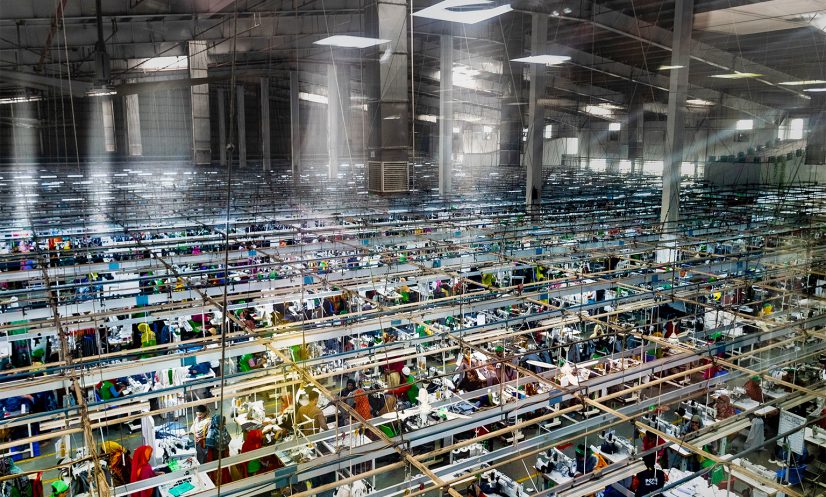
Green building practices are gaining ground in Bangladesh as corporations, real estate developers and other non-manufacturing sectors increasingly adopt environmentally friendly construction.
Bangladesh currently has 35 LEED-certified green buildings and sustainable offices across sectors including financial institutions, corporate offices and hospitals, according to the United States Green Building Council (USGBC).
The country is also encouraging Leadership in Energy and Environmental Design (LEED) certification for industries and has 53 of the world’s 100 highest-scoring green factories.
Green construction is being driven by the need to reduce carbon emissions and support sustainable development, while also improving the wellbeing and working conditions of employees and other workers.
The concept of green buildings in Bangladesh initially gained momentum largely through the ready-made garment (RMG) industry. It is now expanding to corporate offices and real estate developments, with businesses increasingly viewing green certification as part of their sustainability commitments and corporate branding.
According to the Bangladesh Garment Manufacturers and Exporters Association (BGMEA), the country has 290 LEED-certified RMG factories, including 125 platinum-rated, 145 gold-rated and 16 silver-rated facilities.
Bangladesh accounts for 53 of the world’s top 100 highest-scoring LEED-certified factories.
However, the adoption of green practices is gradually moving beyond the manufacturing sector.
“Green-certified buildings in Bangladesh are typically associated with manufacturing and garments. Breaking this convention, Unilever Bangladesh built its corporate building to demonstrate sustainability in corporate office environments as well, earning LEED Gold certification from USGBC in 2023,” said Syeda Durdana Kabir, human resources director of Unilever Bangladesh.
She said the initiative was driven by a vision to integrate sustainability into the company’s daily operations rather than treat green certification as a one-time achievement.
The corporate office was designed to minimise resource consumption while encouraging environmentally responsible behaviour among employees, she added.
Climate pressure driving adoption
Rising temperatures and growing heat stress are also encouraging businesses to rethink workplace infrastructure.
Bangladesh is among the countries highly exposed to rising temperatures. A 2025 World Bank report said the country’s maximum temperature had increased by about 1.1 degrees Celsius since 1980, while the “feels-like” temperature had risen by 4.5 degrees Celsius.
The report estimated that heat-related physical and mental health impacts resulted in the loss of around 250 million workdays in 2024, costing the economy up to $1.78 billion, equivalent to about 0.4% of GDP at the time.
Against this backdrop, companies are increasingly investing in infrastructure designed to provide healthier workplaces and maintain employee productivity amid worsening heat conditions.
Rahi Aftab, assistant general manager and head of marketing at real estate developer Shanta Holdings Ltd, said brands and corporate clients were increasingly focusing on sustainability.
He said large corporations were responding to growing environmental concerns and recognising that sustainable development would be crucial to their future operations.
“Our vision behind constructing green buildings was driven by two key factors — the brand’s commitment and attitude towards sustainability. From the very beginning, our goal has been to set standards in construction by caring for the environment,” Aftab said.
Shanta Holdings built Shanta Pinnacle, described as Bangladesh’s first 40-storey LEED Platinum-certified commercial skyscraper.
The company has sought to promote sustainable urbanisation by aligning real estate development with environmental considerations, he said.
Aftab said factories and businesses should not focus solely on urbanisation and industrialisation but also consider environmental preservation for future generations.
Reducing environmental impact
Industry sources said construction inevitably involves the removal of trees and generates pollution and carbon emissions through the use of energy and construction materials.
Green buildings can help offset some of these environmental impacts by reducing energy consumption, improving resource efficiency and incorporating measures such as water recycling and energy-efficient technologies.
Beyond reducing environmental footprints, experts and businesses increasingly see green buildings as a way to create healthier workplaces and demonstrate corporate responsibility.
As Bangladesh expands its corporate and industrial infrastructure, the growing adoption of green building standards could therefore play a greater role in balancing economic growth with environmental sustainability.