


 Play store

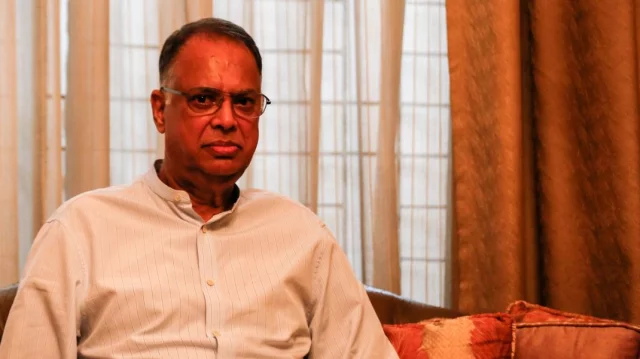
Power, Energy and Mineral Resources Adviser Iqbal Hassan Mahmood on Monday said the previous Awami League government left behind Tk 56,000 crore in unpaid liabilities in the power sector, placing a heavy financial burden on the current administration.
Speaking at a citizens’ dialogue on the National Renewable Energy Development Strategy (2026–2030), organised by the Consumers Association of Bangladesh at the Dhaka Reporters Unity, Iqbal said the government is repaying the outstanding dues while also meeting new financial obligations, requiring monthly subsidies to keep the sector running.
He alleged that during the previous government’s 15-and-a-half-year tenure, development projects largely served personal and group interests instead of public welfare, causing significant damage to both the power and energy sectors and the overall economy.
“The responsibility for addressing the crises and challenges inherited from the previous government now rests with us,” he said.
The adviser said the current administration is also facing additional fiscal pressure because of power purchase agreements signed by the previous government, which require electricity to be bought at comparatively high prices. He warned that delays in clearing outstanding bills to power producers could disrupt electricity generation.
Considering these realities, the government has decided to adjust electricity tariffs, he added.
Iqbal said the government is giving top priority to renewable energy, particularly solar power, to reduce dependence on imported fuel and lower the country’s energy import bill.
He said various initiatives are being implemented to make the power and energy sectors more efficient, sustainable and consumer-friendly. However, he assured that the additional costs of purchasing or generating expensive electricity would not be passed on to ordinary consumers.
The adviser also voiced support for greater private-sector investment in rooftop solar systems while stressing that renewable energy projects should be developed on fallow land to protect agricultural land.
He noted that around 80 percent of Bangladesh’s electricity is currently generated by the private sector and said the government is working to build a three-month strategic reserve of energy supplies to strengthen national energy security.
Calling for public cooperation, Iqbal said the government aims to overcome the sector’s debt burden while ensuring reliable and affordable energy services for consumers.
Energy expert M. Shamsul Alam presented the keynote paper at the dialogue.