Play store

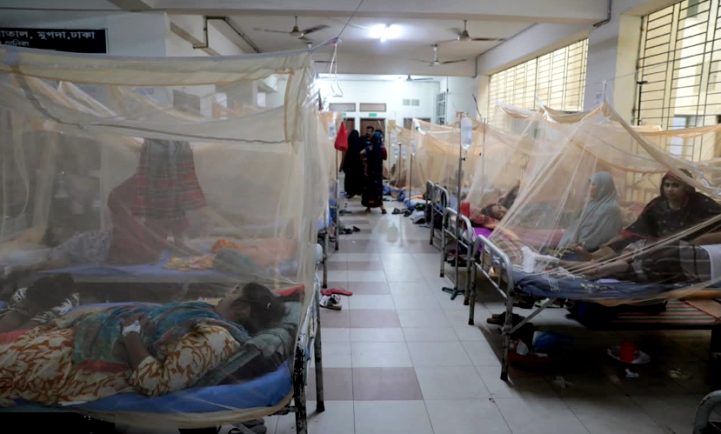
Bangladesh is witnessing its worst dengue outbreak in three years, with infections and deaths rising sharply and hospitals struggling to accommodate the growing number of patients.
More than 55,000 people have been hospitalised with dengue this year, according to Directorate General of Health Services (DGHS) data. Of them, 19,317 were admitted in the first 15 days of September alone. At least 164 people have died this year, including 67 in September.
More than 1,200 new dengue patients have been admitted to hospitals on average each day in September, putting severe pressure on public and private healthcare facilities.
Hospitals in Dhaka, including dedicated dengue facilities, have reported shortages of beds. Long queues have formed at emergency departments, while some patients are being treated on floors and corridors under mosquito nets. Private hospitals have also been turning away patients because of limited capacity.
A comparison of DGHS data shows the scale of the increase. By September 15, 2024, Bangladesh had recorded 19,075 dengue cases and 107 deaths. During the same period in 2025, cases rose to 38,527 and deaths to 155. This year, cases have reached 55,163 and deaths 164.
The 2026 outbreak is also the most severe since the major dengue epidemic of 2023, when nearly 300,000 cases were reported during the full year.
Dhaka and Khulna divisions are among the areas facing the highest risk, followed by Chattogram and Barishal. Within Dhaka, the Dhaka South City Corporation area has recorded the highest number of deaths, with 51 fatalities this year.
Experts say both DENV-2 and DENV-3 serotypes are contributing to the current outbreak. During the major 2023 outbreak, DENV-2 accounted for 62% of identified infections, while DENV-3 accounted for 29%, according to World Health Organization data.
Entomologist Prof Kabirul Bashar of Jahangirnagar University said the rapid spread was not unexpected because dengue tends to expand gradually when effective control measures are not sustained.
He said the presence of four dengue serotypes means a person can potentially be infected up to four times, while the dominant serotype can change as population immunity develops against one type.
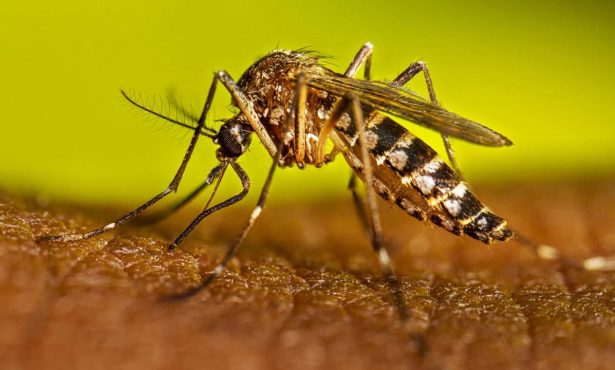
Bashar called for a community-wide effort to eliminate Aedes mosquito breeding sites. He said city authorities should focus on roads, open spaces, public and private establishments and educational institutions, while households must keep their own premises free of stagnant water.
Public health specialist Prof Dr Abdus Sabur, meanwhile, attributed some dengue deaths to patients reaching hospitals only after their condition has deteriorated.
He said many people delay seeking medical care because testing facilities are not easily accessible, particularly for low-income workers who cannot afford to lose a day’s income travelling to government hospitals.
Sabur proposed mobile dengue testing laboratories that could operate for several hours at locations with large populations, such as Karwan Bazar, Korail and Kamalapur.
He said early testing would allow patients to begin treatment sooner and could help reduce deaths.
The problem is even more acute in rural areas, where patients may have to travel to upazila-level facilities for testing, he said.
With dengue cases continuing to rise, experts say early diagnosis, timely treatment and sustained mosquito-control measures will be critical to containing the outbreak and reducing fatalities.