Play store

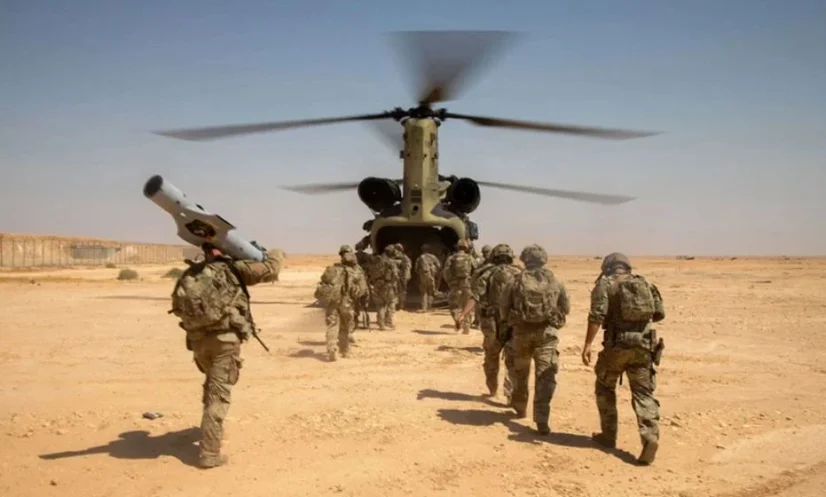
US forces are completing their withdrawal from Iraq on Wednesday, ending a 23-year military presence that began with the US-led invasion of the country in 2003.
The departure is being celebrated by Iran and its allied groups as a victory, while some Iraqi officials and security analysts have raised concerns about the consequences of the pullout.
The withdrawal follows a 2024 agreement between Baghdad and Washington to end the US-led coalition’s military mission in Iraq.
The final phase includes the departure of US forces from their remaining positions in the autonomous Kurdistan region, with the coalition headquarters scheduled to close on September 30.
The US invasion in 2003 toppled longtime Iraqi leader Saddam Hussein and was followed by years of insurgency and sectarian violence.
American troops withdrew at the end of 2011 but returned several years later as part of an international coalition fighting Islamic State militants.
Around 4,500 US service members died during more than two decades of war in Iraq, according to Reuters.
Iran and Iran-backed Iraqi groups have described the withdrawal as a major victory. Abu Mojtaba al-Yasiri, a commander of the Islamic Resistance in Iraq, called it a “historic victory” and said September 30 would be marked as a day of celebration.
However, some Iraqi security figures have warned that the departure could create security gaps and provide an opportunity for Islamic State sleeper cells to regroup.
Others fear that Iran-backed armed groups could gain greater influence following the US exit.
Iraq has said its security forces are now capable of controlling the country’s territory and that the end of the coalition mission marks the beginning of a new phase of bilateral security cooperation with Washington.