Play store

Global commodity prices could rise by 23 per cent in 2026 due to the war in the Middle East, disruptions to energy supplies and obstacles to grain transportation, the World Bank has forecast.
In its latest report released on Wednesday, the bank warned that market volatility could intensify if the conflict escalates and damage to Russian oil infrastructure continues.
Global energy prices are projected to rise by 32 per cent this year, reaching their highest level since Russia’s invasion of Ukraine in 2022. Brent crude oil is expected to average $92 a barrel in the international market, according to the report.
The World Bank estimates that global oil supply could fall by 5.2 per cent in 2026. Excluding the global economic downturn in 2020, this would be the steepest decline in oil supply in four decades.
A supply contraction amid sustained demand could push energy prices higher, increasing costs for transport, manufacturing and electricity generation.
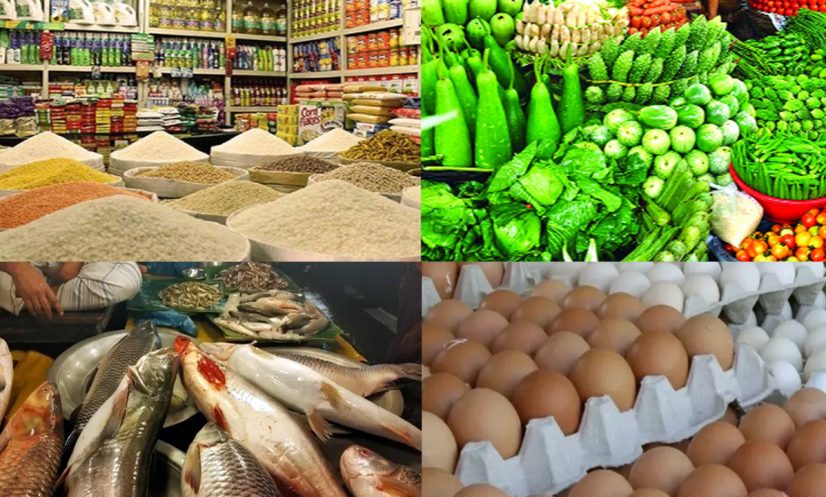
The bank also expects food prices to rise. Global food prices could increase by slightly more than 10 per cent in 2026 and by more than 7 per cent in 2027, bringing the cumulative increase over the two years to nearly 18 per cent. Fertiliser prices, a major input cost for agriculture, are projected to rise by 14 per cent this year.
The report identified several risks to food supplies, including disruptions to grain shipments through the Black Sea, the conflict in the Middle East and adverse weather conditions. Any further interruption to grain supplies could drive international food prices higher.
The World Bank warned that an El Niño event more intense than any recorded since 1950 could place substantial pressure on food production and supplies. In such a scenario, food prices could rise by a further 12 per cent above the current forecast.
That would add to global inflationary pressures, threaten food security among low-income populations and increase the risk of extreme poverty.
Metal prices are also expected to climb. Disruptions to supply, coupled with growing demand from renewable energy, electric vehicles and data centres, could push metal prices up by 25 per cent this year. Aluminium, copper and tin could reach new record highs, the report said.
Geopolitical uncertainty could also prompt investors to seek safe-haven assets. As a result, gold and other precious metals could become more expensive, with gold prices projected to rise by 40 per cent this year.
World Bank Deputy Chief Economist Ayhan Kose said commodity markets were facing several major shocks simultaneously. Higher energy costs and trade disruptions were driving up prices across a range of goods, putting further pressure on inflation, food security and economic growth.
The impact could be particularly severe for low-income and import-dependent countries. Higher prices for fuel, food grains and fertiliser increase production and transport costs, which can eventually feed through to consumer prices. Governments may also face higher subsidy bills and greater pressure on foreign-exchange reserves.
The World Bank said it had already provided $8.7 billion in concessional loans and other assistance to 25 countries affected by the Middle East conflict. The support is intended to help affected countries manage the economic fallout and ease mounting financial pressures.
The bank warned that prolonged conflict and supply-chain disruptions could fuel further volatility in energy, food and metal markets, intensifying global inflationary pressures and threatening economic growth.