Play store

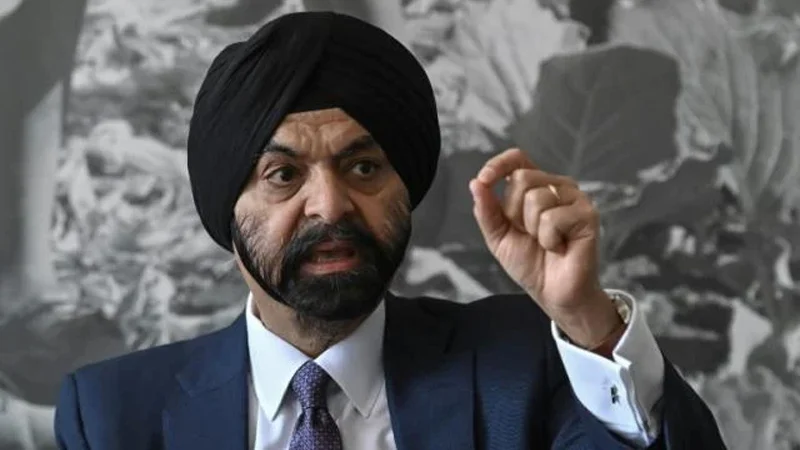
The world could face a shortfall of 800 million jobs over the next 10 to 15 years as developing and emerging economies struggle to provide employment for their growing young populations, the World Bank has warned.
Around 1.2 billion young people are expected to reach working age during the period, but current projections suggest that only about 400 million jobs will be created,
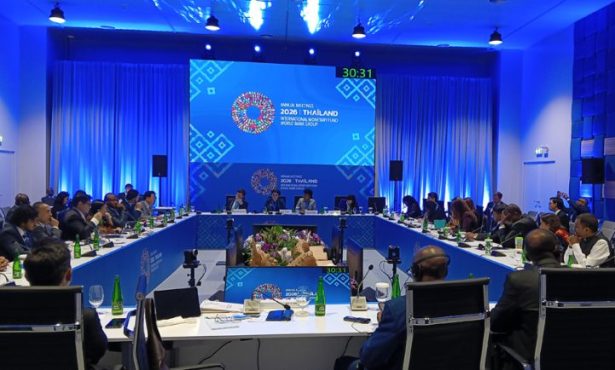
World Bank Group President Ajay Banga said at the 2026 annual meetings of the International Monetary Fund (IMF) and the World Bank Group in Bangkok, Thailand, on Friday.
Banga called for increased private investment, wider adoption of technology and reforms in development financing to address the looming employment crisis.
He stressed that job creation is closely linked to human dignity, economic security and sustainable development.
He said public funding and development assistance should support sectors where private investment remains limited, while policies should encourage businesses to invest, expand production and create jobs.
The World Bank’s strategy focuses on developing physical and human infrastructure, ensuring stable and predictable policies for investors, and expanding investment opportunities.
It also aims to improve access to finance for small and medium-sized enterprises and strengthen digital financial services.
Banga highlighted the potential of practical artificial intelligence (AI) tools to improve productivity, particularly in agriculture, healthcare and other essential sectors.
The World Bank is also working to mobilise long-term private capital for development projects by making them more attractive to institutional investors, including pension funds and sovereign wealth funds.
The warning comes amid mounting economic pressures in developing countries, where rapid population growth, limited investment and technological changes are complicating efforts to generate sufficient employment.
Banga said coordinated action by governments, private investors and development partners would be essential to narrowing the jobs gap and ensuring that more young people have access to decent work and stable incomes.