Play store


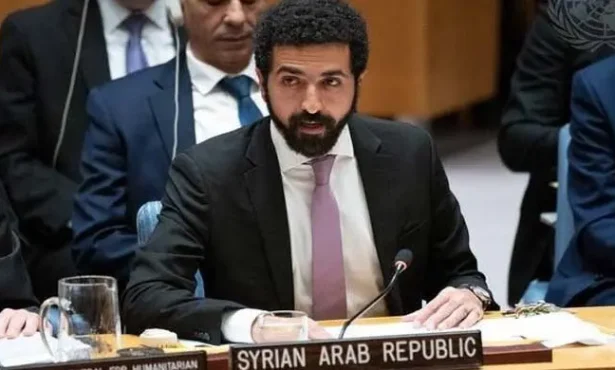
Syrian Foreign Minister Asaad Hassan al-Shaibani on Thursday said Damascus was considering its options on whether to join or cooperate with a new defence grouping formed by Pakistan, Saudi Arabia and Turkiye, while welcoming the recently signed Makkah Joint Defence Agreement. Speaking to journalists in Islamabad on Thursday, Shaibani said Syria would make its own decision on whether to become part of the grouping, describing Pakistan, Saudi Arabia and Turkiye as important countries in the region, according to BBC Urdu.
His remarks came during his first visit to Pakistan by a Syrian foreign minister in nearly two decades, as Damascus seeks to rebuild its regional and international relationships following years of conflict and political upheaval. The Makkah Joint Defence Agreement, signed earlier this month by Pakistan, Saudi Arabia and Turkiye, provides for an armed attack against one of the three countries to be treated as an attack against all.
Pakistan has maintained that the agreement is not directed against any particular country and has said other Muslim countries could join the initiative. Shaibani welcomed the agreement during delegation-level talks with Deputy Prime Minister and Foreign Minister Ishaq Dar, according to the Foreign Office.
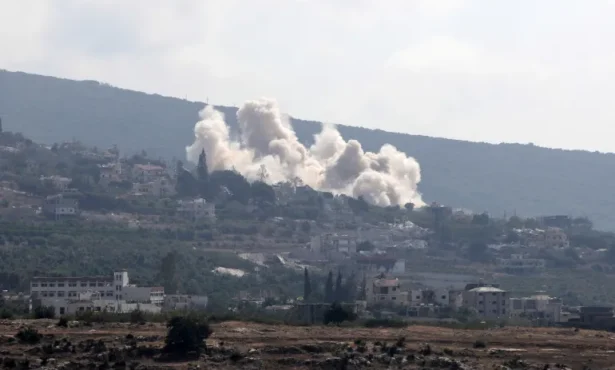
He also commended Pakistan’s role in promoting regional peace and stability, including its efforts to reduce tensions in the context of the US-Iran conflict. However, there was no decision during the Syrian minister’s visit on whether Damascus would join the grouping. Shaibani’s visit assumes Syrian FM added significance amid growing tensions between Syria and Israel and heightened Israeli-Turkish tensions following an Israeli strike near Aleppo on August 18.
Israel has claimed that Syria was preparing to alter the existing security arrangements by allowing Turkish forces to be deployed at the Abu al-Duhur airbase. Asked about Turkey’s role in Syria, Shaibani strongly defended Ankara’s position.
“Turkey has stood with Syria and its people over the past 14 years and is an important ally,” he said, adding that Israel had no right to dictate who Syria could regard as an ally or partner. “Israel has no right to tell us who our ally or partner can be,” the Syrian foreign minister said.
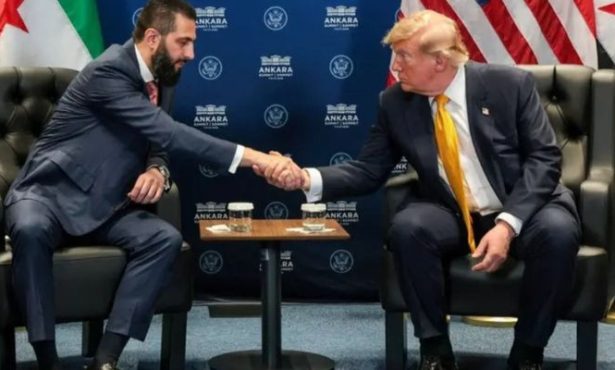
Pakistan backs Syria’s sovereignty : Prime Minister Shehbaz Sharif, who received Shaibani at the Prime Minister’s House, reiterated Pakistan’s support for Syria’s sovereignty, unity and territorial integrity. The prime minister also said Pakistan would firmly support Syria’s position on the Golan Heights, which remains under Israeli occupation. Welcoming Shaibani and his delegation, Shehbaz conveyed his best wishes to Syrian President Ahmed alSharaa and recalled his recent interactions with him.
He stressed the need to translate the longstanding Pakistan-Syria friendship into greater cooperation in politics, defence, trade, investment, education and human resource development. The prime minister also highlighted the importance of restoring direct air links between the two countries, saying this would promote people-to-people contacts and facilitate Pakistani pilgrims travelling to Syria.
Shaibani conveyed President al-Sharaa’s greetings to Shehbaz and briefed him on Syria’s political transition and reconstruction efforts. He thanked Pakistan for its consistent support to Syria and expressed Damascus’ interest in revitalising bilateral ties, including through early institutional mechanisms for cooperation. Shehbaz also invited President al-Sharaa to undertake an official visit to Pakistan at a mutually convenient date.
Asked about Syria’s relations with Iran, Shaibani said Pakistan had not offered to mediate between Damascus and Tehran during his visit. He nevertheless indicated that Damascus would not object to a Pakistani mediation effort under certain circumstances. “If Iran recognises its past role with Syria and the Syrian people, and Pakistan then offers mediation between the two countries, Damascus would have no objection,” he said.