Play store

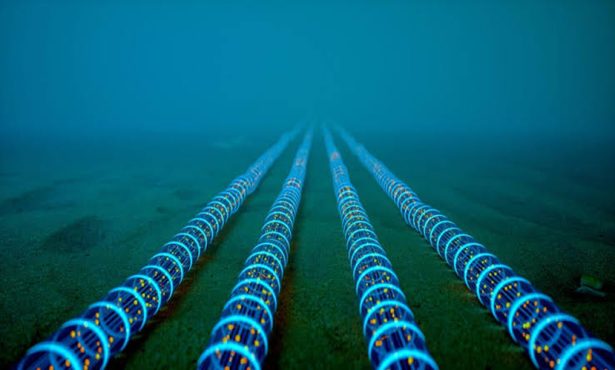
Commercial deployment of approved private submarine cable systems could reduce wholesale and retail internet bandwidth prices in Bangladesh by up to 50 percent while improving network quality by 25 to 30 percent, industry stakeholders said.
They also projected significant reductions in latency and a 20 to 30 percent increase in internet adoption across the country.
The projections were presented at a workshop titled “Necessity of New Submarine Cables to Protect Digital Sovereignty and Meet Future Bandwidth Demand”, organised by the Telecom and Technology Reporters Network, Bangladesh (TRNB) at a resort near Dhaka on Monday.
TRNB President Masuduzzaman Robin chaired the event, while its General Secretary Faruk Hossain delivered the welcome address.
Speaking at the workshop, Metacore Subcom Ltd CEO Mohammad Aminul Hakim said integrating private submarine cable systems would help protect Bangladesh’s digital sovereignty and address bandwidth supply constraints.
He said greater competition in the market could reduce bandwidth prices by around 50 percent while easing supply bottlenecks.
Addressing concerns over consortium-based cable systems, Hakim said major international submarine cables such as SEA-ME-WE-4 operate through consortiums, while licensed Bangladeshi operators such as CDNet, Metacore and Summit would compete directly in the market.
He said the main competition for local submarine cable operators would come from International Terrestrial Cable (ITC) links that import bandwidth from India.
CDNet Communications Ltd CEO Mashiur Rahman and Metacore Subcom Ltd Project Lead Mahmud Shahed delivered the keynote presentations. Metacore Subcom Managing Director Ahmed Junaed was also present.
Data presented at the workshop showed that Bangladesh’s bandwidth consumption has increased 260-fold over the past 13 years, rising from 50 Gbps in 2013 to around 13.5 Tbps in 2026.
Demand is projected to reach 19.1 Tbps in 2027, 27 Tbps in 2028, 54 Tbps in 2030 and 432 Tbps by 2036.
Bangladesh currently relies on two active state-backed submarine cable routes, SEA-ME-WE-4 and SEA-ME-WE-5, with a combined capacity of only 7.1 Tbps, resulting in heavy dependence on terrestrial bandwidth imports.
In comparison, India is connected to 19 submarine cables, Malaysia to 23 and Thailand to 12.
Speakers warned that with SEA-ME-WE-4 approaching the end of its operational life around 2030, delays in deploying SEA-ME-WE-6 could leave Bangladesh with a bandwidth shortfall of about 20 Tbps by 2028.
They said fast-tracking private submarine cable systems with a combined capacity of 51 Tbps would be crucial to meeting the country’s rapidly growing demand and avoiding a repeat of Bangladesh’s failure to join the SEA-ME-WE-3 system in the 1990s.