Play store

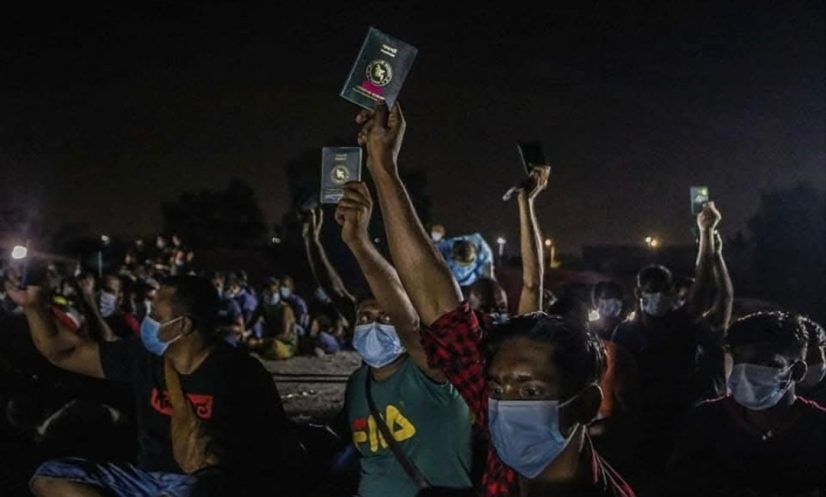
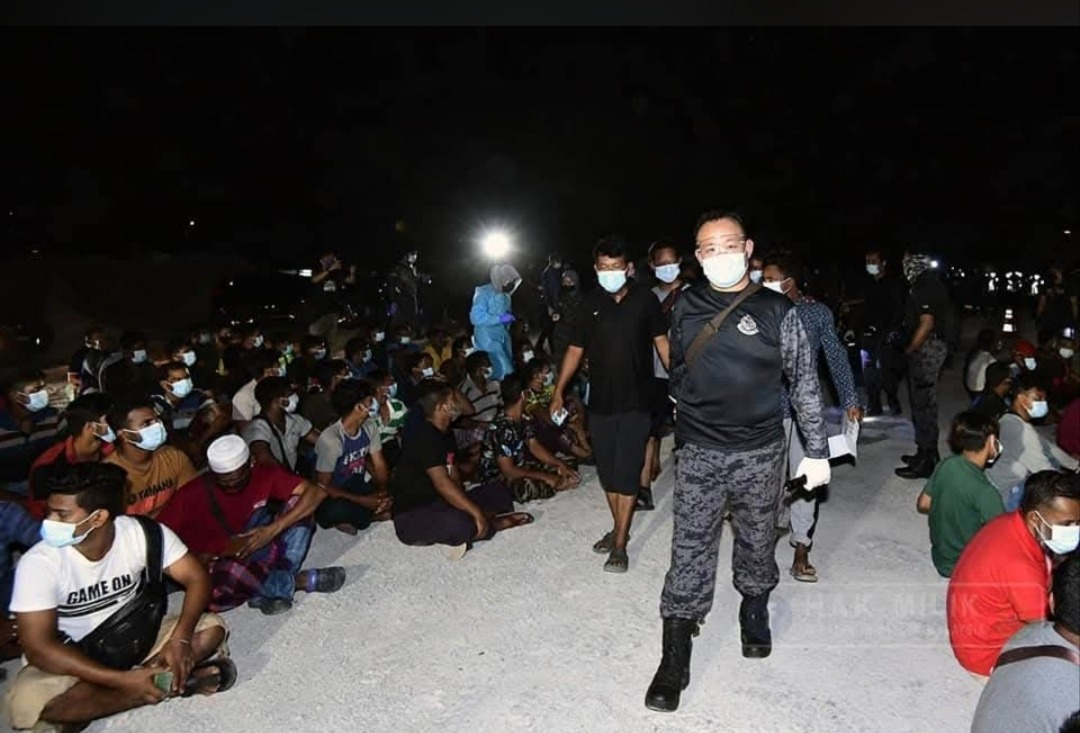
Ahmadul Kobi, Malaysia: More than 65,000 foreign nationals were detained in Malaysia during the first 10 months of this year as the Immigration Department intensified nationwide enforcement operations, placing mounting pressure on detention facilities with a combined capacity of around 20,000 people.
Between January 1 and October 15, immigration authorities conducted more than 11,000 operations and checked the documents of over 146,000 foreign nationals. More than 45,000 detainees have since been deported to their respective countries.
Deputy Director-General of the Immigration Department (Operations), Datuk Lokman Effendi Ramli, disclosed the figures, saying enforcement operations had been conducted consistently across the country to tackle immigration offences.
Over the 287-day period, the department carried out an average of more than 38 operations a day, checked the documents of around 511 foreign nationals and detained approximately 228 people daily.
The most common offences included entering or remaining in Malaysia without valid travel documents or permission, overstaying and misusing passes or work permits, Lokman Effendi said.
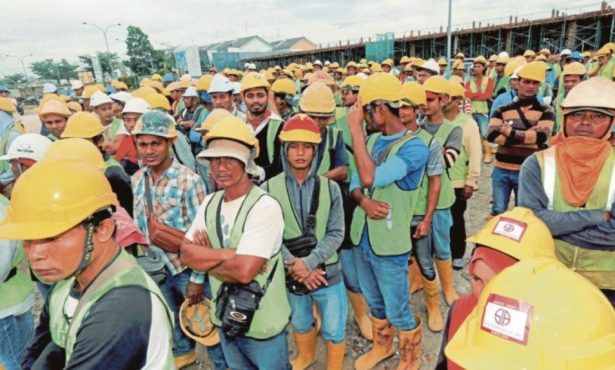
Nationals of Bangladesh, Indonesia and Myanmar were among those detained and deported. Enforcement operations covered workplaces in several sectors, including construction and services.

In one operation, immigration officers inspected the documents of 57 foreign nationals at the construction site of the Universiti Sains Malaysia specialist hospital in Kubang Kerian, Kelantan.
Fifty-five of them were detained on suspicion of violating immigration laws and taken away for further investigation and legal action.
In a separate operation, the Immigration Department detained 11 Myanmar nationals suspected of involvement in a scheme to arrange the illegal departure of foreign nationals from Malaysia.
The arrests were made during a raid at a hotel in Wakaf Che Yeh at around 8.30am. The detainees were aged between 20 and 34.
One of the suspects is believed to have acted as a transporter, helping the other 10 leave Malaysia through illegal channels. Investigators believe the group had travelled from Johor Bahru and Kuala Lumpur before staying in Wakaf Che Yeh.
Preliminary information indicated that each individual had allegedly been charged around RM3,500 to facilitate departure from Malaysia, Lokman Effendi said.
The suspects were identified through intelligence monitoring, and investigations are continuing to determine whether other individuals or groups were involved.
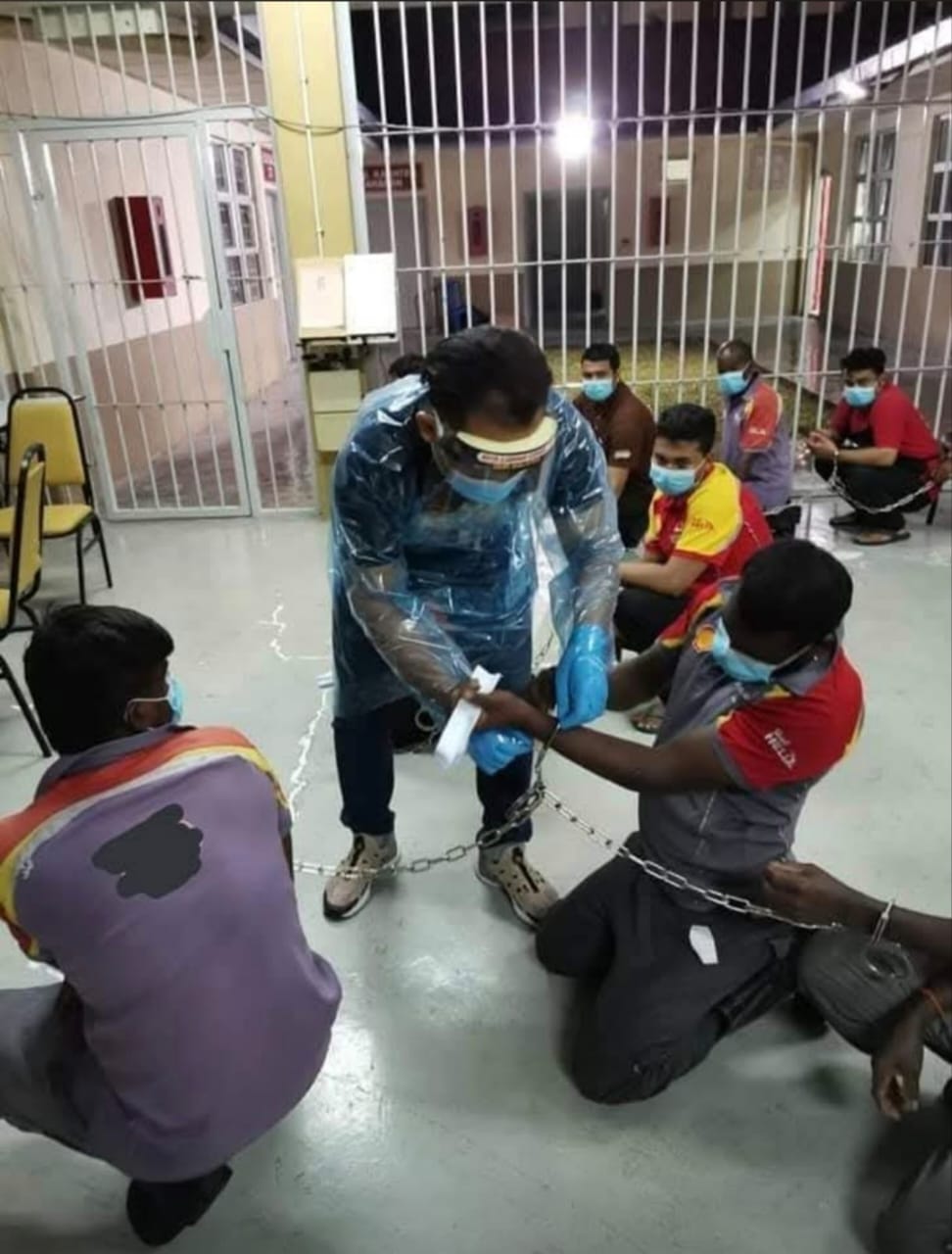
Home Minister Datuk Seri Saifuddin Nasution Ismail said sustained enforcement operations against undocumented migrants had placed increasing pressure on immigration detention facilities nationwide.
With a combined capacity of approximately 20,000 detainees, the depots face growing overcrowding concerns as new arrests continue.
Saifuddin said the Immigration Department had collected and analysed information to develop area-specific maps identifying locations where foreign nationals live, stay or gather. The approach allows enforcement officers to identify areas requiring closer monitoring and plan targeted operations.
Those detained include people without valid travel documents, holders of expired passes, individuals suspected of misusing permits and people identified as refugees. The minister said action was being taken according to the applicable laws and each individual’s legal status and circumstances.
Other law enforcement agencies and local authorities are also participating in immigration enforcement operations.
At the same press conference, Saifuddin said approximately 90,000 inmates were being held in Malaysia’s 41 prisons, with an estimated 75 per cent linked to drug-related offences.
He said a substantial proportion of inmates had been convicted or detained in connection with offences under Sections 15(1), 12 and 39 of the Dangerous Drugs Act 1952.
The minister identified people aged between 15 and 39 as the largest age group among inmates and expressed concern over reports of children under 15 becoming involved in drug-related offences.
He also said drug abuse was more prevalent among unemployed people. Synthetic drugs were particularly common along Malaysia’s east coast, while both synthetic and non-synthetic drugs were used along the west coast. Their easy availability was among the factors contributing to the spread of synthetic drugs, he added.
Kelantan, Kedah, Perlis and Terengganu recorded drug-related crime rates per 100,000 residents above the national average, according to figures presented by the minister.
Pendang district in Kedah recorded the highest rate, followed by Kuala Krai in Kelantan. Tumpat, Tanah Merah and Bachok in Kelantan, along with Besut in Terengganu, recorded rates exceeding 1,000 drug-related cases per 100,000 residents.
Saifuddin said the findings would help authorities make drug prevention and enforcement efforts more targeted.
He stressed the importance of coordinated action involving the Home Ministry, the National Anti-Drugs Agency, the police and state governments to address the problem.
The figures highlight the challenges facing Malaysia’s law enforcement authorities, which are working to curb immigration offences while managing overcrowded detention facilities and tackling persistent drug-related crime.