Play store

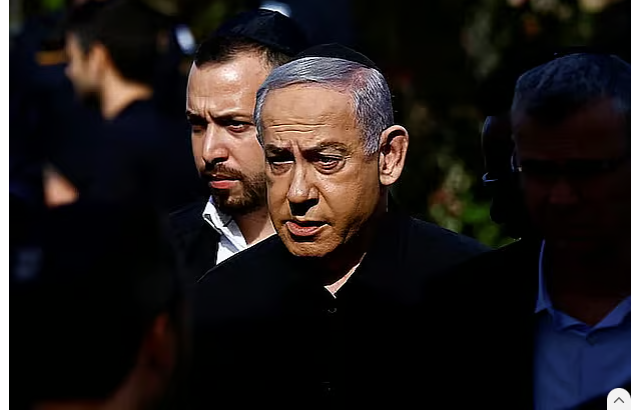
Israeli Prime Minister Benjamin Netanyahu faces a crucial test as voters head to the polls on Tuesday to elect a new Knesset, Israel’s parliament. The election could determine his political future: he may retain power and continue his military campaigns in Iran and Gaza, or lose office after years of dominating Israeli politics.
On October 7, 2023, Hamas launched an attack on Israel, prompting Netanyahu’s government to begin a full-scale war in Gaza. Israel later joined the United States in a war against Iran under Netanyahu’s leadership. The two conflicts have drawn widespread criticism at home and abroad and contributed to Israel’s growing international isolation.
The election marks a major political test for Netanyahu, who has spent roughly two decades in power. Known for his right-wing nationalist politics, he has sought to project strong leadership during wartime while managing Israel’s deeply divided political landscape through coalition governments.
Some analysts consider Netanyahu an experienced political operator capable of navigating Israel’s fragmented political system. However, the latest opinion polls suggest he faces a difficult contest, with the outcome potentially close.
Netanyahu leads the Likud party and is campaigning alongside right-wing and religious nationalist allies. His key coalition partners include Itamar Ben-Gvir’s far-right Jewish Power party and Bezalel Smotrich’s Religious Zionism party. Ben-Gvir serves as national security minister, while Smotrich is finance minister.
The opposition bloc includes Yashar, Together, Yisrael Beiteinu and the Democrats. It is led by Gadi Eisenkot, head of Yashar and a former chief of staff of the Israeli military. Eisenkot has attracted support from both centrist and right-wing voters.
Eisenkot is among the potential candidates for prime minister if the opposition secures power. Former prime minister Naftali Bennett, leader of Together, and former prime minister Yair Lapid are also potential contenders.
Voting is scheduled to run from 7 a.m. to 10 p.m. local time. Approximately 7.3 million eligible voters will choose representatives for all 120 seats in the Knesset. A majority requires at least 61 seats.
Under Israel’s electoral system, voters do not directly elect the prime minister. Instead, they vote for political parties, which publish candidate lists before the election. Seats are allocated proportionally to each party’s share of the vote. Parties must receive at least 3.25 percent of the vote to enter the Knesset.
Netanyahu’s Campaign Rests on Two Pillars
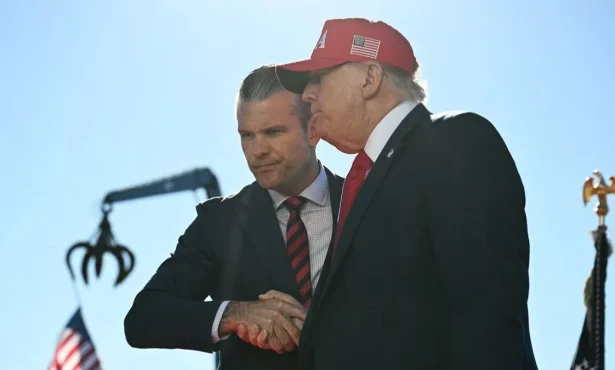
Netanyahu has built much of his campaign around two themes: his leadership during wartime and the public support he has received from US President Donald Trump.
On Sunday, Netanyahu said Trump was prepared to take further action to eliminate the Iranian threat “once and for all.” He suggested that such action would be possible only if he remained in power.
Eisenkot, meanwhile, accused Netanyahu of relying on fearmongering, falsehoods and threats in his campaign. He said he believed Trump would work closely with any leader democratically elected by the Israeli public.
Netanyahu is also counting on the support of his far-right coalition partners, Ben-Gvir and Smotrich. Both have faced sanctions from some Western countries over allegations of inciting violence against Palestinians.
Recent opinion polls suggest continued support for Ben-Gvir’s Jewish Power party, potentially influencing the balance of power within the right-wing bloc.
Neither Netanyahu nor Eisenkot has a clear path to securing a parliamentary majority. If no political bloc wins the required 61 seats, another election is expected next year. Until then, Netanyahu would remain in charge of a caretaker government. Source: Reuters.