Play store


The country’s gas and electricity crisis may continue for at least another week because of severe shortages in the respective supply chains.
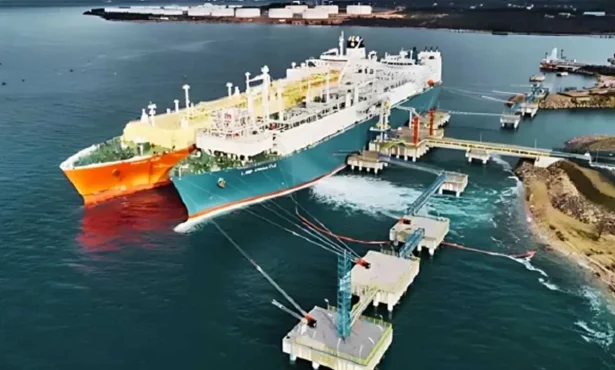
According to a report published in the vernacular daily The Samakal, gas supplies from two LNG terminals at Maheshkhali have fallen by nearly 60 percent due to adverse weather and technical problems.
At the same time, several major power plants cannot operate at full capacity because of coal shortages, while electricity imports from India have also declined. As a result, the power shortfall has grown significantly, causing a sharp drop in generation. Sector insiders say it may take at least another week for the situation to improve.
Data from the past few days show that electricity generation has declined while demand has increased. With insufficient pipeline gas, households are increasingly using electric stoves, putting additional pressure on the power grid. Gas shortages have also disrupted captive power generation at industrial plants, forcing them to rely more heavily on grid electricity. Hot weather has further increased demand as people use more fans and air conditioners.
Daily load shedding on the national grid has exceeded 3,000 megawatts. Rural residents are suffering the most. In some areas, electricity is available for only five to seven hours a day, while certain areas are going without power for 17 to 20 hours. To reduce load shedding in rural areas, cities including Dhaka have also begun experiencing power cuts.
Public frustration over load shedding is growing. There have already been incidents of attacks and vandalism at electricity offices, as well as workers being held inside offices. To prevent further unrest, all 80 rural electricity cooperatives have written to the Inspector General of Police seeking security for their offices, substations and other important facilities.
According to national grid data, shortages of 2,000 to 3,000 megawatts were recorded almost every hour from Wednesday morning to evening. At 3pm, electricity demand stood at 17,237 megawatts, while generation and supply totaled 13,855 megawatts, leaving a deficit of 3,382 megawatts.
The situation worsened at night. At 2am on Tuesday, demand was 16,346 megawatts against a supply of 13,230 megawatts, resulting in load shedding of 3,116 megawatts. The deficit was 3,056 megawatts at 3am and 2,951 megawatts at 4am. The highest deficit was recorded at midnight, at 3,592 megawatts.
The previous days also saw severe shortages. Monday’s highest deficit was recorded at midnight, with load shedding of 3,537 megawatts. On Sunday at 1am, the country recorded its highest load shedding so far—3,757 megawatts.
Power Development Board Chairman Rezaul Karim told Samakal that electricity demand during the same period last year was 15,000 to 16,000 megawatts. This year, demand has risen to 18,000–19,000 megawatts. Many factories are using grid electricity because of the gas shortage, while households are also turning to electric stoves because of inadequate pipeline gas. Efforts are underway to maximize power generation, he said.
Major Blow to Gas Supply: The biggest pressure on electricity generation has come from reduced gas supplies.
At Summit’s floating LNG terminal in Maheshkhali, new cargo cannot currently be unloaded because of rough weather. As a result, gas supply from the terminal has fallen to around 200 million cubic feet per day.
Excelerate Energy’s terminal is also operating below full capacity because of a boiler-related problem. It is currently supplying around 200–220 million cubic feet of gas per day, compared to its normal supply of 550–600 million cubic feet.
Combined LNG supplies from the two terminals have now fallen to around 410 million cubic feet per day. Summit’s supply is unlikely to increase before a new cargo arrives on August 15. After that, Excelerate’s terminal will be shut down for 72 hours to allow it to operate at full capacity.
The daily gas requirement for power generation is around 2.2 billion cubic feet. Under normal circumstances, around 1–1.1 billion cubic feet is supplied. Amid the LNG shortage, supply had fallen below 700 million cubic feet. It was increased to around 800 million cubic feet on Wednesday, according to Petrobangla Director Mohammad Shoaib, but later fell again to around 750 million cubic feet.
The country’s gas-fired power plants have a combined generation capacity of 12,472 megawatts. However, because of the gas shortage, actual generation has fallen to only around 3,000–4,000 megawatts.
Pressure on CNG Stations: CNG stations are also being affected by the decline in pipeline gas pressure. In some areas, gas supplies are being completely suspended for several hours.
Of the 33 CNG stations in Narayanganj district, gas supplies have been suspended at 30. Drivers and filling-station workers waiting in long queues said they have been suffering from the gas shortage for several days.
Long queues have also been seen at filling stations in Dhaka. In some places, motorists have to wait for several hours only to receive a limited amount of gas.