Play store

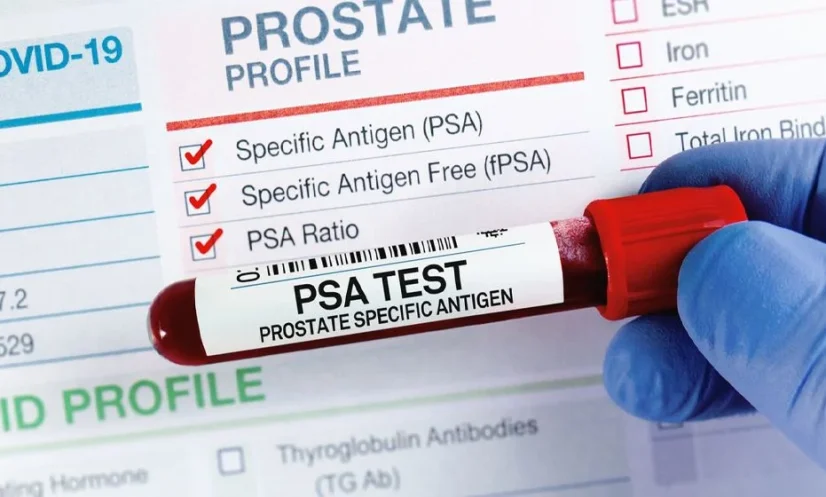
The number of prostate cancer cases is rising alarmingly in the United Kingdom. According to leading cancer charity Macmillan Cancer Support, more than 68,000 men are diagnosed with prostate cancer in the country every year—equivalent to a new case being detected approximately every eight minutes. The figures were reported by Sky News.
According to the charity’s latest statistics, the number of men living with prostate cancer in the UK has increased by 100,000 since 2020, reaching nearly 600,000. In 2020, the figure stood at around 500,000. Prostate cancer is now the most commonly diagnosed cancer in the UK.
Macmillan Cancer Support has warned that misconceptions surrounding the disease are preventing many men from seeking timely medical checks. Dr Anthony Cunliffe, the charity’s chief medical adviser, said one of the biggest misconceptions is that feeling physically healthy means a person cannot have prostate cancer. In reality, the disease often causes no obvious symptoms in its early stages.
Medical experts say symptoms generally appear when the prostate gland becomes sufficiently enlarged to put pressure on the urethra. As a result, men can have prostate cancer for years without experiencing noticeable symptoms.
The risk is higher among men over the age of 50, although Black men and those with a family history of cancer can develop the disease at a younger age.
A blood test known as the prostate-specific antigen (PSA) test is generally used as an initial step in detecting prostate cancer. Doctors may also recommend a physical examination, but it is not mandatory for undergoing the blood test.
However, earlier this year, the UK National Screening Committee did not recommend routine PSA screening for all men. It said testing men without symptoms could also cause harm in some cases. At the same time, efforts are under way to expand screening trials involving men at higher risk, those carrying certain genetic changes and Black men.
Dr Cunliffe said there was no single reason behind the sharp increase in prostate cancer cases. He identified the growing ageing population as one of the major factors contributing to the rise.