Play store

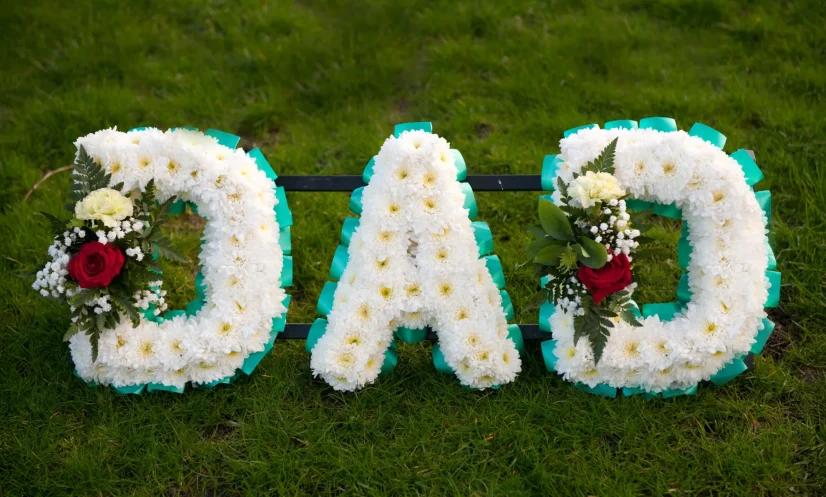
Deaths among fathers in the years after the birth of a child are largely overlooked, even though many are caused by preventable factors such as suicide, overdose, homicide and accidental injuries, a new US study has found.
Researchers at Northwestern University examined 130,267 births in Georgia in 2017 and tracked the fathers for five years, through 2022. During that period, 796 fathers died.
About 60 percent of those deaths were from potentially preventable causes, which researchers described as a major missed opportunity for prevention. The study was published in JAMA Pediatrics.
The deaths included 143 homicides, 142 accidental injuries, 102 suicides and 93 overdoses. Another 296 fathers died from natural causes.
Maternal deaths during and after pregnancy are routinely reviewed by specialised committees, but there is no comparable system for examining deaths among fathers following the birth of a child, researchers said.
“Our data show that fathers die frequently in the first years of their child’s life, and we have no systems in place to understand how we might prevent it,” said Dr Craig Garfield, corresponding author and professor of pediatrics and medical social sciences at Northwestern University Feinberg School of Medicine.
Researchers said the findings mirror patterns seen in maternal mortality, where deaths during the transition to parenthood can be linked to social vulnerabilities and are often preventable.
Despite the high proportion of preventable deaths among fathers who died, the study found that fatherhood itself was associated with lower overall mortality among men in Georgia.
Among men over 20, fathers consistently had lower death rates than men who were not fathers.
For example, among men aged 30 to 34, the mortality rate was 120 deaths per 100,000 among fathers, compared with 231 per 100,000 among non-fathers.
“Being a father appears to be protective in this particular group of men,” Garfield said, adding that the difference could be related to lifestyle changes, a sense of purpose or new responsibilities.
The researchers said further studies are needed to determine why fatherhood appears to be associated with lower overall mortality while some fathers remain vulnerable to preventable causes of death.
Younger fathers face higher risks
The researchers linked Georgia birth and death records to examine fathers’ causes of death and overall mortality.
Non-natural deaths were more common among younger fathers.
The study also found that homicide risk was higher among fathers whose children’s births were covered by Medicaid and among unmarried fathers.
Fathers who died were more likely to be older, non-Hispanic Black, unmarried, living in rural areas and associated with Medicaid-funded births.
Higher education, Hispanic ethnicity and births covered by Tricare were associated with lower mortality.
Garfield said his experience as a pediatrician at Ann & Robert H. Lurie Children’s Hospital of Chicago helped inspire the research.
While working with families in neonatal intensive care, he encountered mothers whose partners had died unexpectedly in shootings, car crashes and other incidents.
“The death of any parent has enormous consequences for a child,” Garfield said, adding that understanding how a parent’s death affects children is particularly important during their early years.