


 Play store

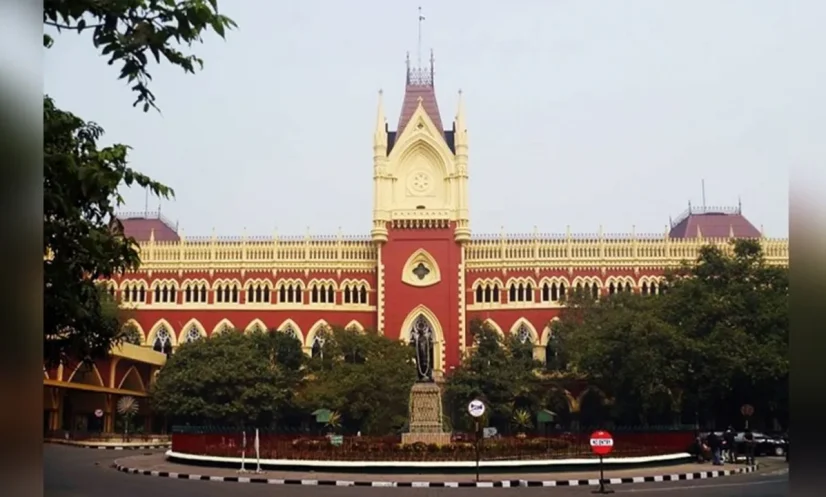
The Calcutta High Court has observed that a person cannot be branded a Bangladeshi and deported from India merely on the basis of suspicion, stressing that authorities must follow due legal process to establish citizenship.
Justice Saugata Bhattacharyya made the observation on Thursday while hearing a petition challenging the detention of a man from Murshidabad district and an order proposing his deportation, The Telegraph India reported.
The man’s lawyer told the court that his client had been detained since August 8 based on suspicions arising from statements made by a few neighbours.
The petition was filed by the man’s wife, challenging both his detention and a deportation order issued by the Foreigners Regional Registration Office (FRRO). His wife herself has not been detained.
Justice Bhattacharyya said the deportation order had been stayed for the time being. He observed that the authorities should give individuals a reasonable opportunity to establish their citizenship and noted that the man appeared not to have been given an opportunity to defend himself.
The judge questioned why the man had been held for nearly two months and why the authorities had failed to follow a clear and verifiable procedure to determine his citizenship.
“How can citizenship be conclusively established on the basis of such claims alone?” the judge asked, emphasising that no one could be detained without following the appropriate legal procedure.
The judge also questioned how many people had crossed the border since the 1970s and whether all of them could realistically be deported.
He referred the case to the Chief Justice of the High Court for assignment to an appropriate bench.
The court’s observations came amid allegations that several BJP-ruled states have been identifying Bengali-speaking Muslim workers as undocumented Bangladeshis and sending them across the border with the assistance of the Border Security Force (BSF), allegedly without orders from courts or tribunals.
In West Bengal, the newly formed government announced a policy of detention, deletion of names from records and deportation shortly after coming to power. Under the policy, suspected Bangladeshis were to be detained and deported to Bangladesh through expedited procedures.
In July, four Indian nationals who had spent nearly a year in Bangladesh were brought back to India through the Mahadipur land port in Malda following court directions.
During Thursday’s hearing, Additional Advocate General Rajdeep Majumdar, representing the state government, suggested that the detained man might have obtained documents such as a voter identity card, Aadhaar and PAN card using forged papers.
Justice Bhattacharyya stressed that the government must properly verify documents before deciding to deport anyone, adding that statements from a few individuals alone could not establish that someone was an illegal immigrant.
The observations come amid a wider national debate over citizenship documentation and electoral identity, particularly the Election Commission’s Special Intensive Revision (SIR) of electoral rolls.
Opposition parties and civil society groups have alleged that the revision has removed the names of millions of genuine voters, potentially benefiting the BJP. Reports have also raised concerns that people whose names have been deleted in West Bengal could lose access to government welfare benefits and face fears of being labelled undocumented immigrants and deported.
Protests have spread in India, with demonstrators demanding the resignation of Chief Election Commissioner Gyanesh Kumar, whom critics hold responsible for overseeing the SIR process.