


 Play store

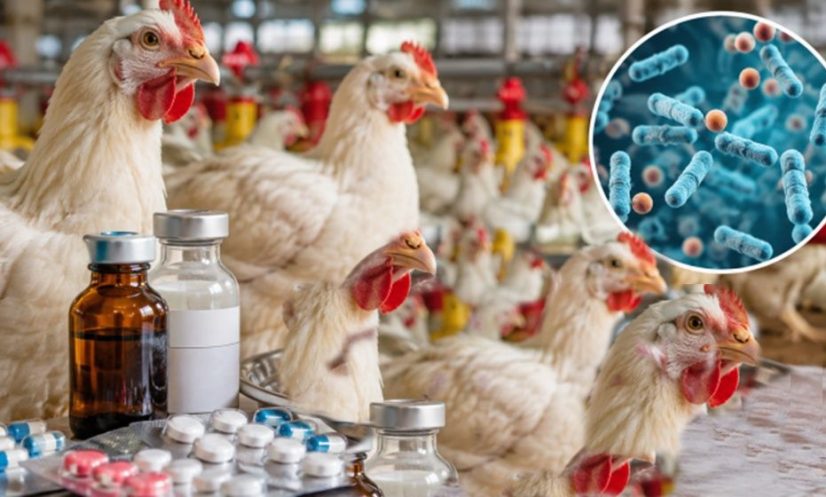
A recent study has found alarmingly high levels of antimicrobial residues in poultry meat from Bangladesh, India and Vietnam, raising fresh concerns over food safety and public health.
The research, conducted by the Royal Veterinary College (RVC) in London, revealed that antimicrobial presence in chicken meat samples exceeded international safety standards by a significant margin.
Experts identified the widespread use of antimicrobial drugs in food-producing animals as the primary cause of the problem. The study, supported by several research institutions across South and Southeast Asia, was reported by UK-based Poultry News.
As part of the research, 558 chicken breast samples collected during 2021–22 from Bangladesh, India and Vietnam were analysed at Nanyang Technological University in Singapore.
The samples were tested for 69 types of veterinary antimicrobials, following European Union safety standards. Some samples were collected from retail outlets, while others were sourced directly from farms, where the chickens were ready for market.
Findings showed that a notable portion of samples contained antimicrobial residues above safe limits. Between 3.7% and 8.6% of retail samples exceeded permissible levels—far higher than the European Union average of 0.05% to 0.09% recorded during the same period.
Researchers warned that such high levels suggest antimicrobials may have been administered shortly before slaughter in many cases. Professor Pelligand said the study should help raise awareness about antimicrobial residues in veterinary use and encourage improvements in food safety practices at the local level.
The research was funded by the UK Research and Innovation Global Challenges Research Fund under the One Health Poultry Hub initiative.