Play store

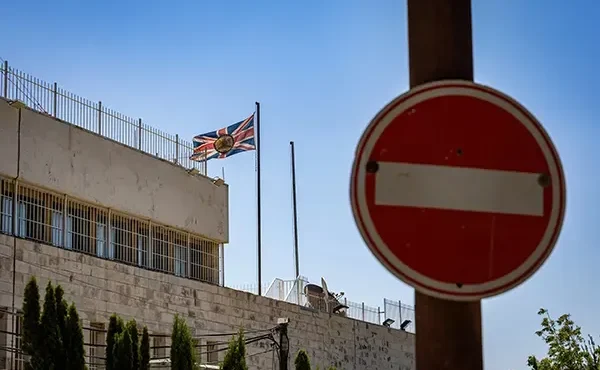
Russia has withdrawn its ambassador from the United Kingdom and called on London to reconsider its policy towards Moscow, raising concerns that diplomatic ties between the two countries could deteriorate further.
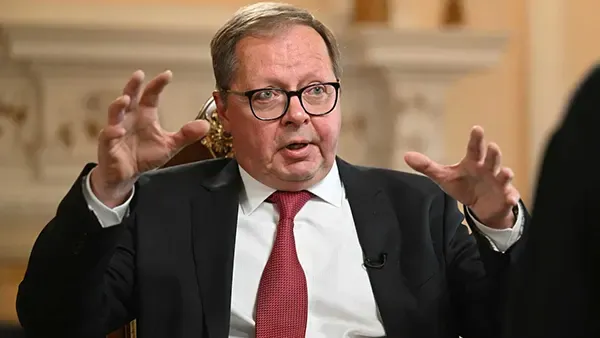
According to The Telegraph, Andrei Kelin, who served as Moscow’s chief representative in London for more than seven years, left his diplomatic post on July 21. Russia has yet to appoint a successor.
The vacant ambassadorial post could further weaken diplomatic communication between Moscow and London, which have already faced increasingly strained relations.
Moscow recently warned Britain that it would face consequences after British-made drones were reportedly used for the first time in an attack on Russian territory.
A spokesperson for the Russian Embassy said Kelin had made significant efforts to maintain channels of communication and dialogue with the British government. However, he accused London of choosing a “path of confrontation” with Moscow.
The spokesperson told The Times that Kelin had left Britain hoping that a change in the UK’s policy towards Russia could eventually allow more constructive and respectful dialogue to resume.
The embassy said the Kremlin had not yet nominated a candidate for the ambassadorial post to the British Foreign Office. For now, the embassy is being headed by a chargé d’affaires.
Kelin’s departure was initially communicated internally at the embassy. The matter was also mentioned at an event marking Russia Day on June 11, but no formal public announcement was made at the time.
Meanwhile, on the same day, British Ambassador to Moscow Nigel Casey took part in a rare meeting with Russia’s deputy foreign minister and representatives from Germany and France, where Russia’s invasion of Ukraine was condemned.
It remains unclear why Kelin, who had served since 2019, left his post. It is also uncertain whether Moscow will appoint a new ambassador or leave a lower-ranking official in charge for an extended period.
The withdrawal of an ambassador is generally regarded as a formal diplomatic expression of dissatisfaction with another country.