


 Play store

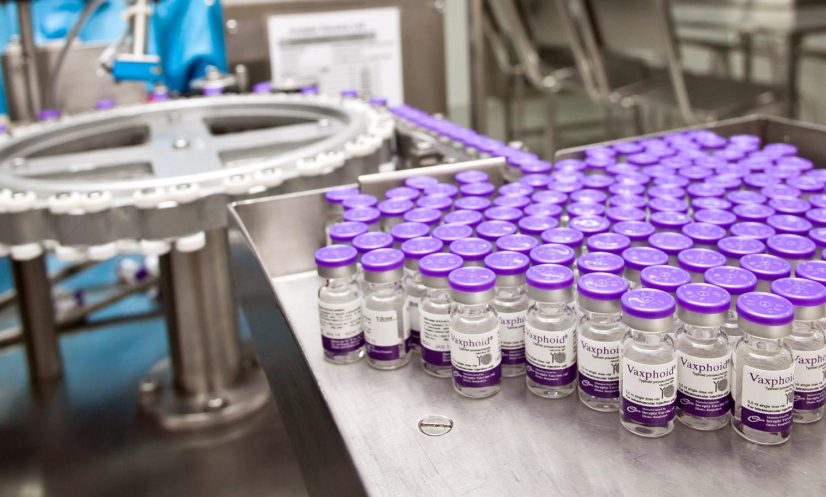
Bangladesh is aiming to secure the World Health Organization’s (WHO) Maturity Level 3 (ML-3) certification by May 2027 to strengthen its vaccine industry, attract investment and expand exports.
The government has formed a high-level task force and launched a series of initiatives to meet the WHO’s requirements, including strengthening the Directorate General of Drug Administration (DGDA) and addressing critical shortages of skilled personnel.
A workshop held on August 24 reviewed Bangladesh’s regulatory capacity, identified gaps and outlined priority actions to accelerate the process.
Prime Minister’s Special Assistant for Health Affairs Dr SM Ziauddin Haider said Bangladesh is currently at ML-2 and needs to fulfil 211 indicators identified during a WHO assessment in 2021.
He said a new organogram has been drafted to address the DGDA’s manpower shortage, with recruitment expected to begin soon. The WHO’s Bangladesh office is also providing technical assistance.
Vaccine production began in Bangladesh in 2011. Incepta, Popular and Healthcare currently produce around 15–16 types of human and veterinary vaccines, although exports remain limited.
Industry leaders say manufacturers must also upgrade their facilities to meet WHO’s current good manufacturing practices, improve automation and strengthen technical capabilities.
Healthcare Pharmaceuticals CEO Muhammad Halimuzzaman said WHO inspections had identified gaps in local vaccine manufacturing facilities that need to be addressed.
Dr Ziauddin said achieving ML-3 would go beyond boosting vaccine exports, helping Bangladesh strengthen its position in the global market and attract fresh investment in vaccine manufacturing and related pharmaceutical sectors.
The government hopes to complete the required reforms before the WHO World Health Assembly in May 2027.