Play store

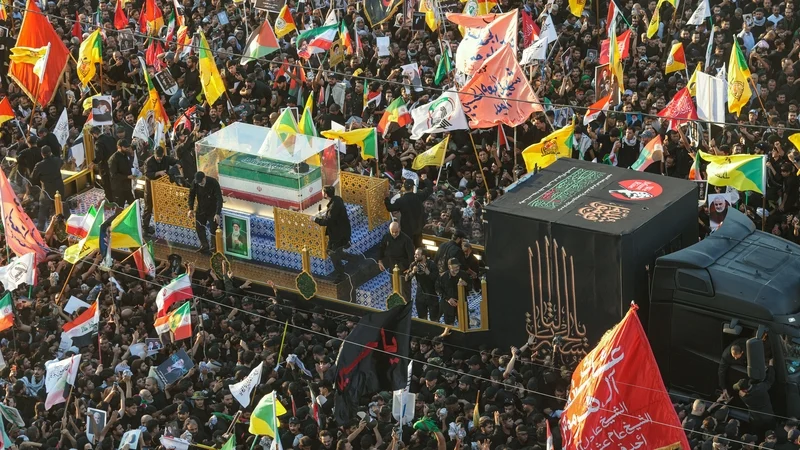
Iraq has begun hosting large-scale funeral processions for Iran’s slain Supreme Leader Ayatollah Ali Khamenei, with thousands of mourners gathering in the holy cities of Najaf and Karbala.
The ceremonies form part of six days of public mourning announced by Iran, including a dedicated day in neighboring Iraq, reflecting the close religious and political ties between the two countries.
The events also come in the aftermath of a Middle East conflict triggered by US-Israeli strikes that reportedly killed Khamenei and several of his relatives on February 28.
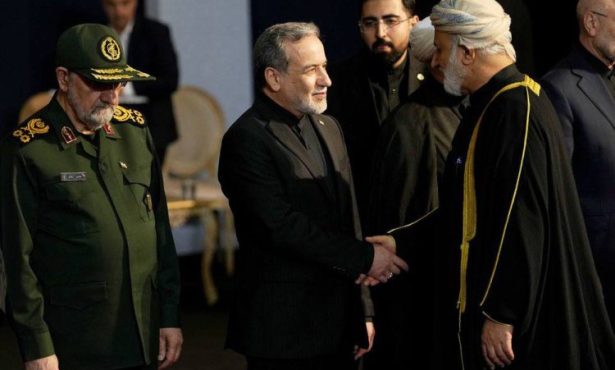
Khamenei’s body arrived at Najaf International Airport, where it was received by Iraqi officials, senior political figures and Iranian President Masoud Pezeshkian.
Iraqi authorities declared a public holiday, with funeral rites beginning early in the morning.
In Najaf, mourners joined a six-kilometer procession leading to the revered shrine of Imam Ali, one of Shia Islam’s holiest sites.
The city, a major center of Shia scholarship, holds deep religious significance and has long been associated with leading clerics, including Khamenei’s predecessor Ayatollah Ruhollah Khomeini.
Following the Najaf procession, the body is set to be taken to Karbala, about 60 kilometers away, where another major procession will culminate at the shrines of Imam Hussein and his brother Abbas.
These sites hold profound importance in Shia history, drawing millions of pilgrims each year.
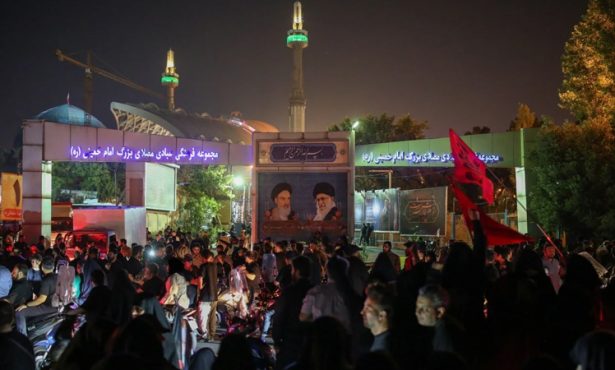
Streets in both cities were lined with large portraits of Khamenei, Iranian flags and images of other slain figures associated with Iran’s regional alliances.
Volunteers set up stalls offering food and drinks to mourners along the procession routes.
Khamenei is scheduled to be laid to rest in his hometown of Mashhad in northeastern Iran.
Officials and observers say the масштаб of the ceremonies highlights the enduring “spiritual bond” between Iraq and Iran.
While relations between the two nations were once marked by conflict—most notably the Iran-Iraq War in the 1980s—they have grown significantly closer since 2003, following political changes in Iraq and the rise of Shia-led governments.
Today, Iran maintains strong influence in Iraq through political alliances and support for armed groups, some of which have been involved in recent regional tensions.