Play store

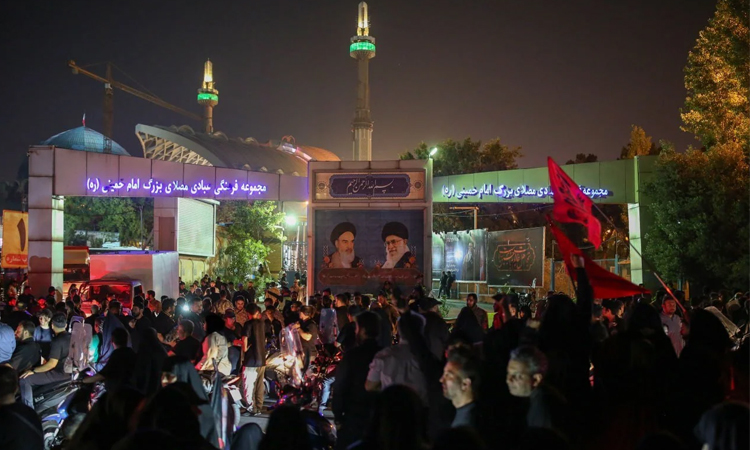
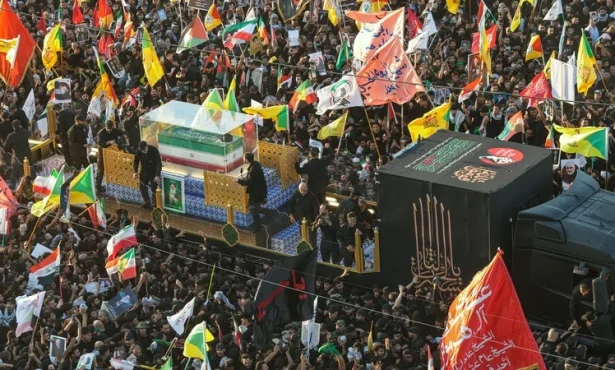
Thousands of mourners gathered at Tehran’s Grand Mosalla on Saturday as Iran began an extensive six-day funeral programme for its late Supreme Leader, Ayatollah Ali Khamenei, with authorities expecting one of the largest public gatherings in the country’s history.
Long before the official ceremonies commenced, the vast courtyard of the Grand Mosalla complex had filled with mourners arriving from across the country. Many walked several kilometres to reach the venue as authorities imposed extensive traffic restrictions throughout the capital to manage the expected influx of people.
Iranian officials said between 15 million and 20 million people are expected to participate in funeral events in Tehran over the next three days, reflecting the significance of Khamenei’s role in the country’s political and religious life. The ceremonies are also intended to project national unity and resilience at a time of heightened regional tensions.
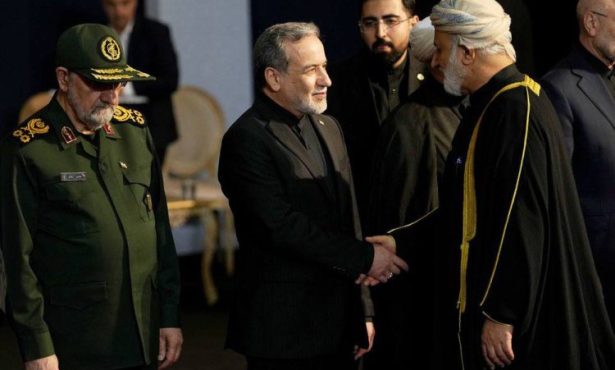
The funeral programme includes religious prayers, public tributes and processions through key locations in Tehran before Khamenei is laid to rest. Senior government officials, military commanders, religious scholars and foreign dignitaries are expected to attend different stages of the ceremonies.
Security has been tightened across the capital, with police and other security forces deployed around major roads, transport hubs and public squares. Public transport services have been expanded to facilitate the movement of millions of mourners, while authorities have urged residents to follow traffic advisories and cooperate with security measures.
Shops and businesses in parts of Tehran remained closed as black flags and banners bearing religious messages were displayed across streets and government buildings. State institutions have organised commemorative events, and national television has been broadcasting continuous coverage of the funeral proceedings and tributes from across the country.
Khamenei led Iran for more than three-and-a-half decades after succeeding Ayatollah Ruhollah Khomeini in 1989. During his tenure, he played a decisive role in shaping Iran’s domestic politics, foreign policy and security strategy, making him the country’s highest political and religious authority.
His death at the age of 86 came on the opening day of the US-Israeli war with Iran on February 28, triggering a nationwide period of mourning. Since then, memorial gatherings have been held across Iranian cities, with officials describing the funeral ceremonies as a moment of national solidarity.
The six-day mourning programme is expected to conclude with final burial rites following a series of public processions and religious observances, marking the end of an era in Iran’s contemporary political history.