Play store

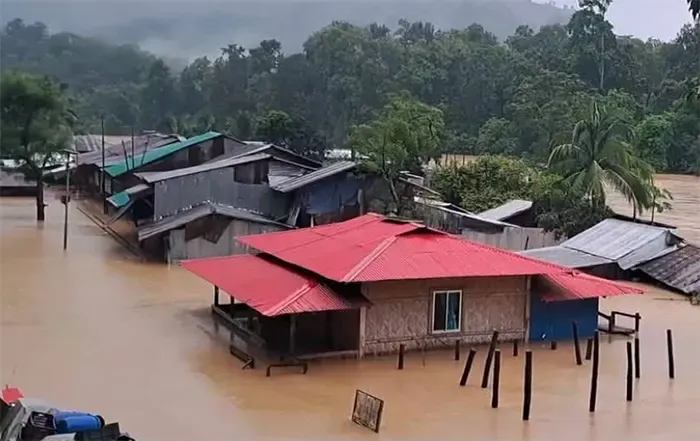
Although rainfall has eased and floodwaters are gradually receding, thousands of people in Rangamati continue to suffer from the aftermath of prolonged flooding and landslides.
After nearly two weeks of heavy to very heavy rainfall and flash floods triggered by hill runoff, the overall situation has begun to improve.
However, as water levels fall, the full extent of the devastation is becoming increasingly visible across the district.
According to the district administration, 3,637 people are still staying in 50 shelters. Many families remain displaced, particularly in low-lying and landslide-prone areas.
Baghaichhari upazila has been the worst affected, with all its unions and municipal areas inundated during the peak of the floods.
Although water has receded from many places, around 1,500 people are still taking shelter in 25 centres there. Extensive damage to homes, cropland, roads and infrastructure has been reported.
Bilaischhari’s remote Farua union is the second hardest hit. Farua bazar was completely submerged during the floods, and strong currents initially prevented relief distribution. With water now receding, aid operations have resumed.
Local business leaders said silt accumulation has caused more damage than the floodwater itself, with one to two feet of sediment deposited inside shops and homes, making cleanup difficult and destroying goods.
The district has recorded 135 landslides during the disaster. However, timely evacuation from high-risk areas helped prevent major casualties.
Despite several days without heavy rain, light showers resumed after midnight on Sunday, raising fresh concerns of renewed flooding and landslides if rainfall continues.
The worst-affected upazilas include Baghaichhari, Rajasthali, Naniarchar, Bilaischhari, Barkal, Juraichhari, Sadar, Kawkhaly and Kaptai. People from flood-hit, damaged and high-risk areas were moved to shelters for safety.
Livelihoods have been severely disrupted. Vast areas of cropland have been damaged, leaving farmers without seasonal harvests. Businesses based on timber and fish have also suffered significant losses, while disrupted road communication has slowed trade and transport.
Fishing in Kaptai Lake has already been suspended for two months due to the breeding season and will remain halted for another month, further cutting off income for local fishermen.
Officials say post-disaster rehabilitation is now the biggest challenge. There are growing calls for rebuilding homes, financial support for farmers, assistance for small business owners, and targeted incentives to help restore livelihoods.
Authorities are currently preparing a comprehensive damage assessment to guide rehabilitation efforts, alongside continuing relief distribution in the affected areas.