Play store

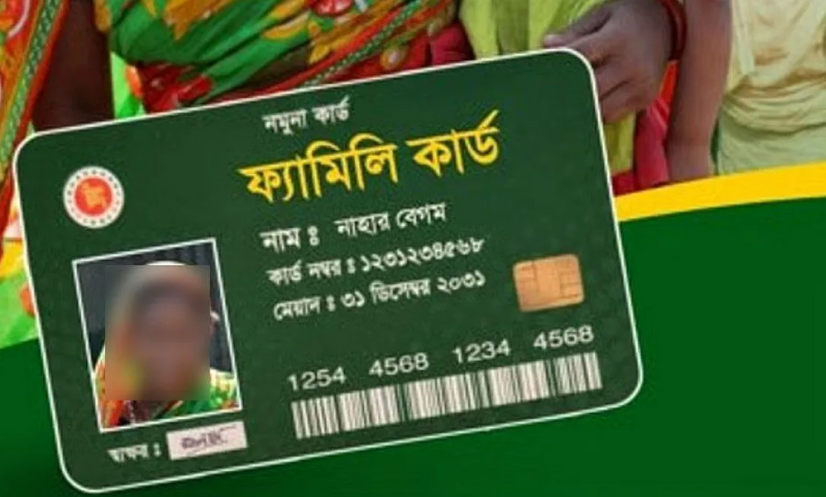
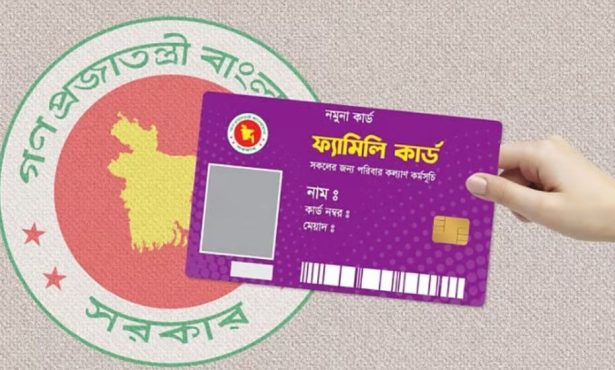
While Bangladesh has achieved remarkable progress in poverty reduction over the last two decades, the ground reality remains challenging. Recent government statistics indicate that approximately 18 to 19 percent of the population still lives below the poverty line, with 5 to 6 percent living in extreme poverty. Furthermore, nearly 20 percent of the population faces a significant risk of severe food insecurity. In this context, the newly appointed BNP government has promptly launched the “Family Card” project, which has already begun limited distribution. The government has announced that 40 million women will be brought under this project over the next four years. Under this pilot scheme, each cardholder is receiving a monthly cash assistance of BDT 2,500, while another segment receives equivalent food support.
This initiative by the new government is significant, as it transcends mere administrative action. The Family Card represents a holistic integration of social security, political accountability, and women’s empowerment. The decision to issue these cards specifically in the names of female family members adds a new dimension to this empowerment. While Bangladesh has a long history of social safety net programs—such as old-age allowances, widow allowances, and VGF—these initiatives have often been fragmented, leading to a lack of coordination and ensuring that many genuine beneficiaries do not receive full support. The Family Card addresses these limitations by fostering a family-centric integrated security framework. By consolidating food, health, education, and other basic needs onto a single platform, this system offers more effective and sustainable support than previous isolated programs.
From the perspective of the anthropological theory of gender structure, women are often excluded from core decision-making processes. The Family Card intervenes in this structure, creating a space where women are directly involved in managing household resources, thereby enabling the restructuring of their social and economic roles. Unlike traditional allowance programs, the fundamental distinction of the Family Card is that assistance is provided directly to the adult female member of the household. Research suggests that control over household resources enhances a woman’s bargaining power; thus, this card can serve as a powerful tool for her true independence and empowerment.
The program also carries political significance, as the swift implementation of election pledges helps build public trust and narrows the long-standing gap between political promises and reality. However, the ultimate success of the Family Card depends on its efficient execution. Ensuring transparency in beneficiary selection, establishing a centralized digital database, and implementing rigorous oversight to prevent corruption and misuse are critical. Additionally, social awareness campaigns are necessary to overcome societal hesitation regarding women receiving government benefits.
Bangladesh has already set a global example in social development. The “Food for Education” program, introduced in the 1990s by former Prime Minister Begum Khaleda Zia, played a pivotal role in expanding education. The Family Card is a modern evolution of that legacy, where food security, nutritional improvement, and women’s empowerment advance in tandem. While every major social initiative faces potential risks—including misinformation campaigns regarding women’s economic empowerment—public awareness and active participation are vital. If implemented correctly, the Family Card will not only serve as a means to reduce poverty but also evolve into a new social contract, marking a milestone in the history of Bangladesh’s social policy.